


A tight budget doesn’t mean a bad trip. It just means you plan smarter. These tips will help you stretch every dollar without skipping the things that make travel worth it. For more background, see Wikipedia reference.
Start With a Realistic Budget
Before you book anything, figure out how much you actually have to spend. This sounds obvious, but most people skip it and end up overspending on flights, leaving nothing for food or activities.
Break your budget into categories. Think about flights, accommodation, food, transport, activities, and a buffer for unexpected costs. A rough rule: set aside 10% of your total budget as a backup fund. You’ll likely need it.
Know Your Daily Spend Limit
Divide your total budget by the number of days you’re traveling. That’s your daily limit. Some days you’ll spend more, some days less. But knowing the number keeps you from blowing half your trip budget in the first three days.
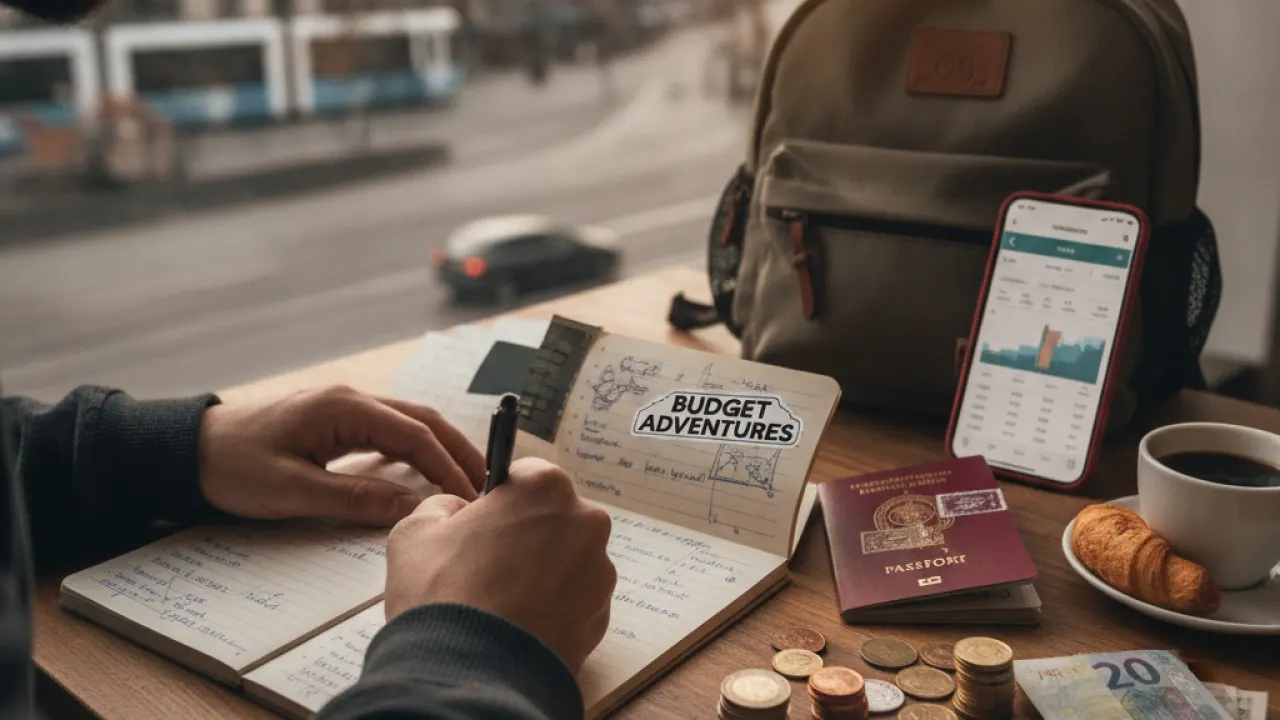
Track spending daily with a free app like Trail Wallet or even a notes app. It takes two minutes and saves real headaches later.
Factor in Hidden Costs
Many travelers forget to budget for things like airport transfers, travel insurance, visa fees, checked baggage, and tips. These add up fast. Include them in your estimate before you finalize anything.
- Airport transfers – taxis and ride-shares from airports often cost more than expected
- Travel insurance – skip it and one bad situation can cost thousands
- Visa fees – check in advance, some countries charge $50 or more
- Checked baggage – budget airlines charge extra for every bag
- Currency exchange fees – ATM and card fees eat into your budget quietly
- Tips and service charges – expected in many countries and adds up daily

Find Cheap Flights Without Losing Your Mind
Flights are usually the biggest expense, and they’re also the most flexible if you know how to search. You don’t need a special trick. You need the right tools and a bit of patience.
Use Flexible Date Search
Flying on Tuesday or Wednesday is almost always cheaper than Friday or Sunday. Google Flights has a calendar view that shows prices across an entire month. Use it. A two-day shift in your travel dates can save $100 or more on a single flight.
Also check if flying into a nearby airport is cheaper. Flying into a smaller city and taking a bus or train to your destination often beats flying direct into a major hub.
Set Price Alerts
Don’t book the moment you start planning. Set a price alert on Google Flights or Skyscanner for your route. Give it a few weeks. Prices shift constantly and a fare that’s $320 today might drop to $240 next week.
Book domestic flights 1-3 months out. Book international flights 2-6 months out. Prices tend to spike in the last 2-3 weeks before departure.
Consider Budget Airlines
Budget carriers like Ryanair, Spirit, or AirAsia can cut your flight cost in half. Just read the fine print. Many charge for carry-on bags, seat selection, and printing your boarding pass. Factor those fees in before you think you found a deal.
- Ryanair – great for Europe, strict bag rules
- Spirit Airlines – cheap base fares in the US, high fees for extras
- AirAsia – dominates Southeast Asia budget routes
- Wizz Air – solid option for Central and Eastern Europe
- Frontier Airlines – budget option across the US, check bundle deals
- EasyJet – covers a wide range of European destinations
- IndiGo – affordable for travel within India
- Volaris – popular budget choice for Mexico and Latin America

Save Money on Where You Stay
Accommodation is the second-biggest travel cost for most people. It’s also one of the easiest places to save without sacrificing comfort. You just need to know where to look.
Hostels Are Not What You Think
If you haven’t stayed in a hostel since college, you might be surprised. Many modern hostels offer private rooms for close to hotel prices, plus the benefit of a social atmosphere and local tips from staff. Shared dorms are even cheaper, usually $15-40 per night in most countries.
Look for hostels with high ratings on Hostelworld or Booking.com. Filter for ones with an ensuite bathroom if privacy matters to you. Read recent reviews and check if lockers are provided. If you are looking to expand your knowledge, reading practical advice on how to start an online business provides useful background context. If you are looking to expand your knowledge, reading practical advice on how to start an online business provides valuable background context.
Book Apartments for Longer Stays
If you’re staying somewhere for five or more nights, a short-term apartment rental often beats a hotel. You get a kitchen, more space, and a local feel. Sites like Airbnb, VRBO, and Booking.com all have apartment options. Weekly rates are usually much lower per night than nightly rates.
Having a kitchen also lets you cook some meals, which cuts food costs significantly.
Look at Location Carefully
A cheaper hotel 30 minutes outside the center sounds like a deal. But if you’re paying for taxis or metro rides twice a day, the savings disappear fast. Sometimes a slightly pricier place in a walkable location saves you more overall.
- Hostels – best for solo travelers and short stays
- Apartment rentals – ideal for longer trips or groups
- Guesthouses – affordable and locally run, great in Asia and Latin America
- House-sitting – stay for free in exchange for watching someone’s home
- Couchsurfing – free stays hosted by locals, best for social travelers
- Camping – extremely cheap in countries with good campsite infrastructure
Eat Well Without Spending a Lot
Food is one of the most enjoyable parts of travel. It’s also one of the easiest categories to overspend on. Eating three meals a day at tourist restaurants adds up to a huge chunk of your budget. You can eat better for less with a few simple habits.
Eat Where Locals Eat
The restaurants right next to major attractions charge more and are often lower quality. Walk two or three blocks away and the prices drop. Look for places with menus in the local language, no photos on the menu, and a crowd of locals. These spots usually have better food at half the price.
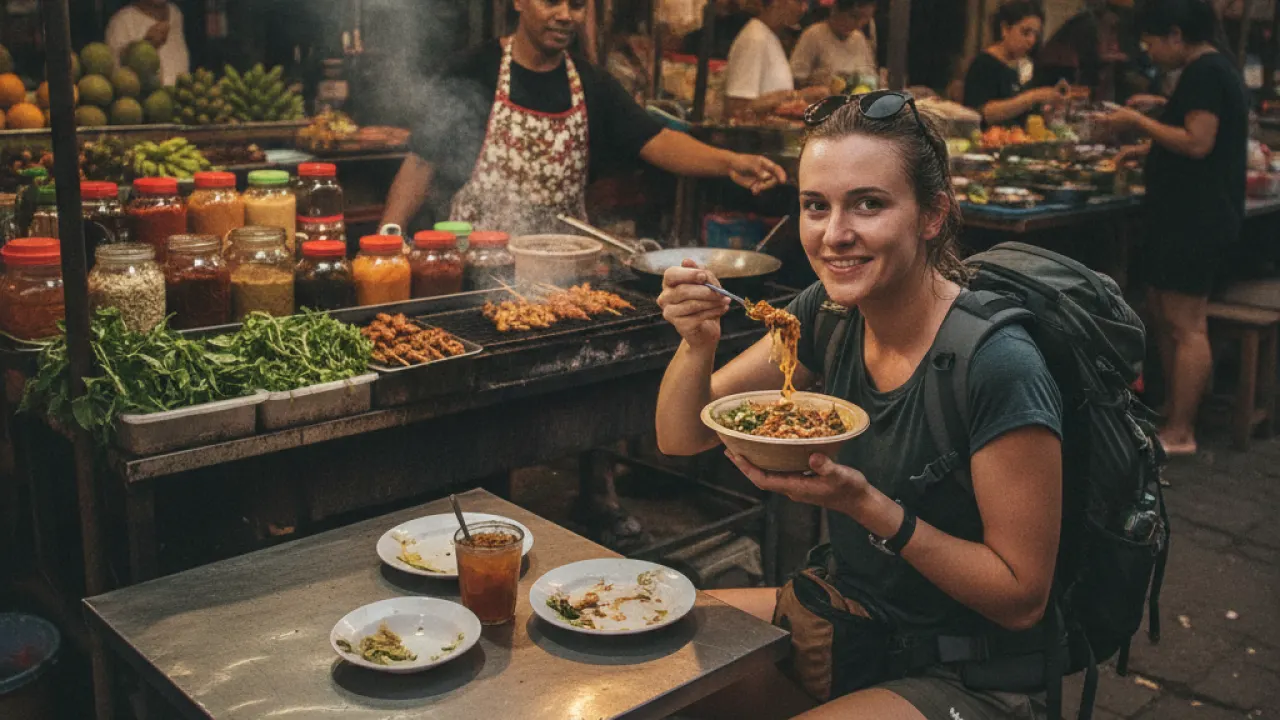
Market stalls, food courts, and street vendors are your best friends on a budget. In many countries, a full meal from a street vendor costs $2-5. It’s fresh, it’s fast, and it’s often the best food you’ll eat on the trip.
Make Some Meals Yourself
If your accommodation has a kitchen, use it. Buy breakfast items from a local supermarket. Pack snacks. Make lunch yourself a few times a week. This alone can cut your daily food budget by 30-40%. A trip to a local market to buy fruit, bread, cheese, and cold cuts is also a great way to experience local food culture without the restaurant price tag.
Pick the Right Meal to Splurge On
Budget travel doesn’t mean eating badly every meal. Pick one meal a day to spend more on, usually dinner, and keep the others cheap. This way you still get to enjoy good restaurants but you’re not blowing your budget three times a day.
- Street food – fast, cheap, and often the most authentic option
- Local markets – great for fresh produce and ready-made local dishes
- Grocery stores – buy breakfast and snacks to avoid overpriced cafes
- Lunch specials – many restaurants offer set lunch menus much cheaper than dinner
- Happy hour deals – food deals often come with drink specials at certain hours
- BYOB spots – save on alcohol costs by bringing your own where allowed
- Cooking in accommodation – even one home-cooked meal a day saves significantly

Get Around Without Burning Cash on Transport
Getting from place to place can quietly drain your budget if you’re not paying attention. Taxis, ride-shares, and day tours add up fast. The good news is that most destinations have cheap and reliable alternatives.
Use Public Transit
Buses, metro systems, and trains are almost always the cheapest way to move around a city or between destinations. Get a transit card or day pass as soon as you arrive. Most cities have apps or websites that explain the route system clearly, even in English.
Long-distance buses between cities are often far cheaper than trains and surprisingly comfortable in many countries. In Southeast Asia and South America especially, overnight buses let you save on one night of accommodation while you travel.
Walk More
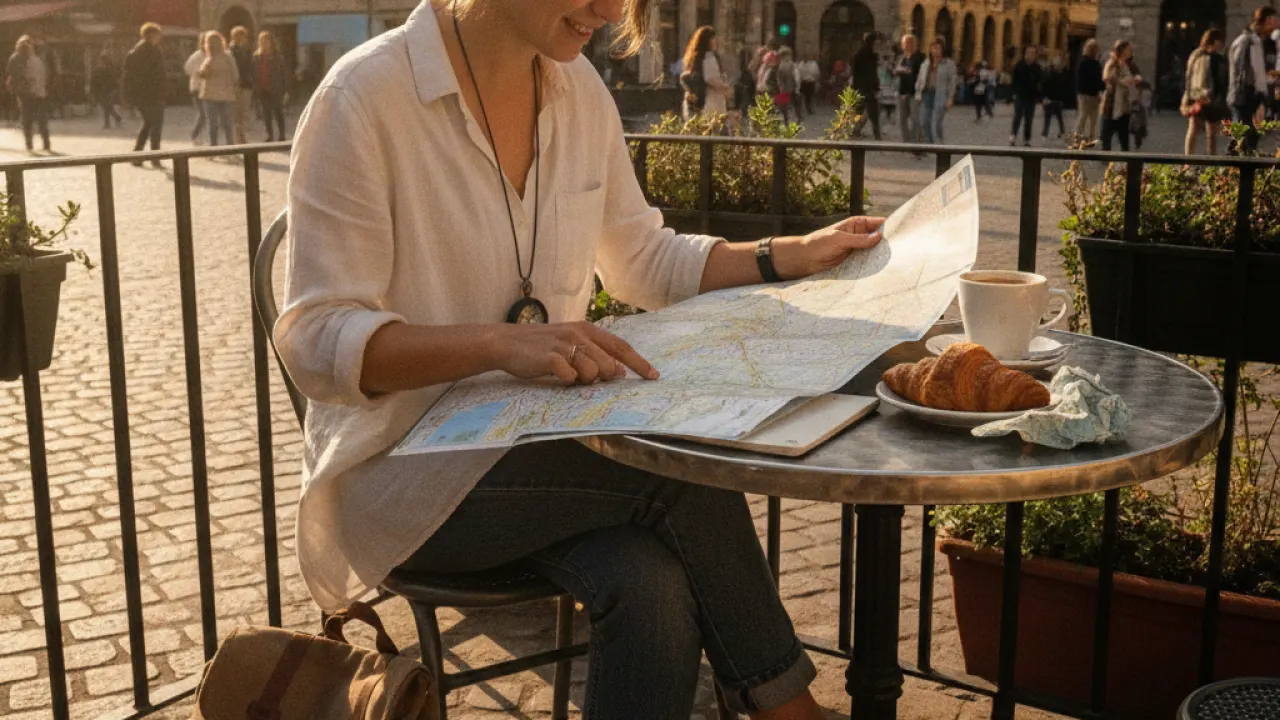
This sounds simple, but walking is free and one of the best ways to discover a place. Many city centers are walkable if you have a good map. Apps like Maps.me work offline and are free. Give yourself extra time and walk between sights instead of taking a taxi for every short trip.
Rent Rather Than Tour
Day tours are convenient but expensive. In many cities you can rent a bike for $10-15 a day and cover the same ground at your own pace. Renting a scooter is common and affordable in parts of Asia. Public ferry routes in coastal cities give you scenic views without the tour boat price tag.
- Metro and bus passes – usually the cheapest option in major cities
- Overnight buses or trains – save on both transport and accommodation
- Bike rentals – cheap, flexible, and great for exploring
- Ride-share apps – cheaper than taxis if you compare prices before getting in
- Walking – free, and you notice things you’d miss from a vehicle
- Hitchhiking – common and accepted in some countries, research local norms first
- Carpooling apps – BlaBlaCar and similar services offer cheap inter-city rides
- Ferries and local boats – often scenic and far cheaper than tourist options
Cut Costs on Activities Without Missing the Good Stuff
Activities and experiences are why you travel. Don’t skip them to save money. Instead, be selective. Many of the best experiences are free or very cheap. Paid tours and attractions are worth it when they’re truly special. Not every famous landmark needs a ticket.
Free Things Are Often the Best Things
Parks, markets, beaches, walking tours, religious sites, street performances, and local festivals cost nothing or very little. Some of the most memorable travel experiences happen when you slow down and explore without a plan or a paid ticket.
Many cities offer free walking tours where you pay only what you think it was worth at the end. These tours are run by locals who know the city well and often give better insight than paid audio guides. Similar principles apply when reviewing practical advice on how to build business credit from scratch, where preparation and research make a noticeable difference. Similar principles apply when reviewing practical advice on how to build business credit from scratch, where preparation and research make a noticeable difference.
Look for Museum Free Days
Many major museums offer free entry on one day per week or month. The Smithsonian in Washington D.C. is always free. The British Museum in London is free. In Paris, many national museums are free on the first Sunday of the month. Check before you pay for anything.
Skip the Souvenir Shops
Souvenir shops near tourist attractions charge three to five times what you’d pay at a local market or shop just a few streets away. If you want to bring something home, buy it from a local vendor or a regular market. The quality is usually better and the price is much lower.
- Free walking tours – pay what you want, usually led by knowledgeable locals
- City parks and green spaces – great for relaxing and people-watching at no cost
- Beaches and natural areas – most are free and offer far more than paid attractions
- Local festivals and markets – free to attend and great for cultural experience
- Museum free days – research in advance for your destination
- Religious and historic sites – many are free or request a small donation
- Local libraries and community spaces – sometimes host free events and exhibitions
Use the Right Cards and Avoid Bad Fees
Every time you withdraw cash abroad or pay with the wrong card, you might be losing 2-5% in fees. Over a two-week trip, that’s a meaningful chunk of money. A few small changes to how you handle money while traveling can save you more than any discount code.
Get a No-Fee Travel Card
Cards like Wise, Charles Schwab (for US travelers), or Starling Bank (for UK travelers) offer fee-free international withdrawals and no foreign transaction fees. Apply before you travel. These cards pay for themselves on any trip longer than a few days.
Avoid Airport Currency Exchange
Currency exchange booths at airports offer some of the worst rates you’ll find anywhere. If you need local cash on arrival, withdraw from an ATM at the airport instead. Better yet, use a fee-free card for the first few days and find a local bank ATM later for any cash you need.
Tell Your Bank Before You Leave
Let your bank know your travel dates and destinations. If you don’t, your card may be blocked for suspicious activity the first time you use it abroad. It takes two minutes and saves the stress of having your card declined when you need it most.
Plan Around Shoulder Season
Timing your trip right is one of the highest-impact ways to cut costs. Peak season means higher prices for flights, hotels, and even food at tourist spots. Shoulder season, the weeks just before or after peak, gives you most of the same experience at lower prices.
For most of Europe, shoulder season is April-May and September-October. For Southeast Asia, it varies by country and is tied to the monsoon season. Do a quick search for your destination and you’ll find the sweet spot quickly.
Traveling in shoulder season also means fewer crowds. You get shorter lines at popular sights, better availability at restaurants you actually want to go to, and a more relaxed overall experience.
Frequently Asked Questions
What is the
The planning a trip on a budget is a structured approach designed to give clear, actionable steps that produce reliable results over time.
How do I start with the
Begin with the foundation steps, focus on consistency, and build intensity gradually as the plan progresses.
How long does the planning a trip on a budget take to work?
Most people notice initial improvements within a few weeks, with more meaningful results appearing after 8 to 12 weeks of consistent effort.
Is the planning a trip on a budget suitable for beginners?
Yes. The planning a trip on a budget is designed to be accessible, with progressions and modifications that let anyone start at their current level.
What are the main mistakes to avoid with the
Common mistakes include skipping the foundation phase, expecting overnight results, and not tracking progress consistently.
Make a Loose Day-by-Day Plan
You don’t need to book every hour of your trip in advance. But having a loose daily plan helps you avoid the expensive last-minute decisions that happen when you’re tired, hungry, and don’t know what to do next. Those moments lead to expensive taxis, tourist-trap restaurants, and paid activities you didn’t really want.
Write down two or three things you want to do each day. Keep a backup list of free or cheap options nearby. Know in advance where you’ll eat at least one meal each day. That structure saves both money and stress.
Also, leave a day or two completely unplanned. Budget travel often rewards flexibility. A local recommendation, a chance encounter, or a free festival you didn’t know about can turn into the best part of your trip.
What’s the one thing you’re most worried about overspending on during your next trip? The planning a trip on a budget works when you follow it consistently.
For related reading, see our guides on Smartphones to Buy in 2026, Electric Car UK 2026, Cheapest Way to Eat Healthy UK, Aldi vs Lidl UK, eating clean for beginners. For broader insights, exploring practical advice on how to save money fast will give you actionable takeaways you can apply right away. For broader insights, exploring practical advice on how to save money fast will give you actionable takeaways you can apply right away.
This guide shows you how the planning a trip on a budget fits real life.
Start with the basics of the planning a trip on a budget and build from there.
The planning a trip on a budget removes common barriers that stop people from starting.
Follow the planning a trip on a budget for the full period to see real results.
The planning a trip on a budget scales as you get more experienced.
Sticking to the planning a trip on a budget matters more than any single step.
The planning a trip on a budget gives you a clear structure every week.
Use the planning a trip on a budget as your base and adjust it to your level.
Many people find the planning a trip on a budget easier to follow than complex alternatives.
Results from the planning a trip on a budget come from repetition, not perfection.
Keep the planning a trip on a budget simple and focus on showing up consistently. Many readers who study this area also benefit from detailed breakdown of affiliate marketing for beginners to ensure all key factors are covered. Many readers who study this area also benefit from detailed breakdown of affiliate marketing for beginners to ensure all key factors are covered.
The planning a trip on a budget works when you follow it consistently.
This guide shows you how the planning a trip on a budget fits real life.
Start with the basics of the planning a trip on a budget and build from there.
The planning a trip on a budget removes common barriers that stop people from starting.
Follow the planning a trip on a budget for the full period to see real results.
The planning a trip on a budget scales as you get more experienced.
Sticking to the planning a trip on a budget matters more than any single step.
The planning a trip on a budget gives you a clear structure every week.
Use the planning a trip on a budget as your base and adjust it to your level.
Many people find the planning a trip on a budget easier to follow than complex alternatives.
Results from the planning a trip on a budget come from repetition, not perfection.
Keep the planning a trip on a budget simple and focus on showing up consistently.
The planning a trip on a budget works when you follow it consistently.
This guide shows you how the planning a trip on a budget fits real life.
Start with the basics of the planning a trip on a budget and build from there.
What are your thoughts on how to plan a trip on a budget without missing out? Have you tried any of these steps, or do you have tips of your own to share? Leave a comment below and share this guide with friends or colleagues who might find it helpful.