

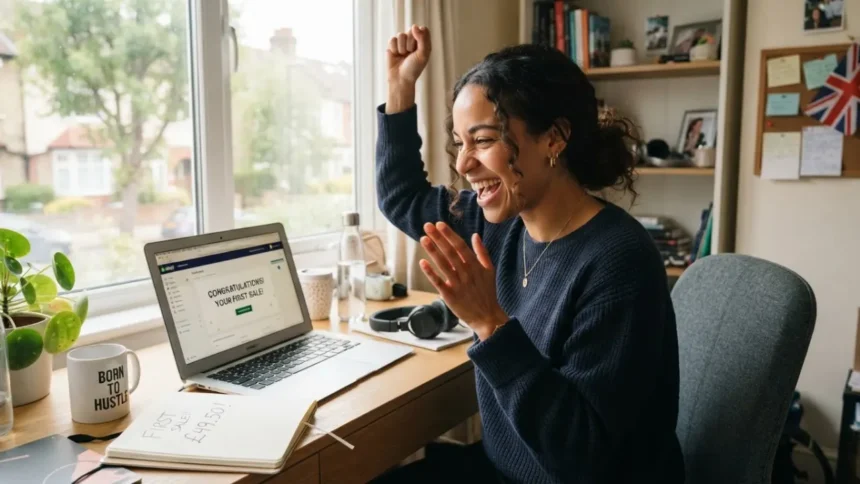
How to Start an Online Business in 2026: A Step-by-Step Guide

Alex Kumar
By
Alex Kumar
Startups Editor covering funding, founders and the global startup ecosystem.
75 Min Read
How to Start an Online Business in 2026: A Step-by-Step Guide

The cost of starting an online business has dropped almost to zero. A laptop, an internet connection, and a free weekend are enough to launch and start taking real money. The hard part has shifted somewhere else. It’s no longer the setup. It’s deciding what to sell, finding the people who’ll pay for it, and staying with the work long enough for the compounding to show up. This guide walks through the steps that actually matter in 2026, in the order they need to happen. Skip ahead if you already know step one. Slow down on the steps you’ve been avoiding. This guide covers everything related to how to start an online business.

Contents
The single most important first decision – How To Start An Online BusinessWhich business model fits your situation?What does the first 90 days really look like?The legal and tax basics no one wants to readThe mindset shifts that decide who winsReader questions about starting onlineFinal thoughts and your turnFrequently Asked Questions About Starting an Online BusinessHow much money do I need to start an online business?What online business is easiest to start?How long does it take to make money with an online business?Do I need to register my online business?Finding the first 10 paying customersWhat does the first 90 days really look like?The legal and tax basics no one wants to readThe mindset shifts that decide who winsReader questions about starting onlineFinal thoughts and your turnFrequently Asked Questions About Starting an Online BusinessHow much money do I need to start an online business?What online business is easiest to start?How long does it take to make money with an online business?Do I need to register my online business?The minimum tool stack that actually worksFinding the first 10 paying customersWhat does the first 90 days really look like?The legal and tax basics no one wants to readThe mindset shifts that decide who winsReader questions about starting onlineFinal thoughts and your turnFrequently Asked Questions About Starting an Online BusinessHow much money do I need to start an online business?What online business is easiest to start?How long does it take to make money with an online business?Do I need to register my online business?How to validate the idea before you buildThe minimum tool stack that actually worksFinding the first 10 paying customersWhat does the first 90 days really look like?The legal and tax basics no one wants to readThe mindset shifts that decide who winsReader questions about starting onlineFinal thoughts and your turnFrequently Asked Questions About Starting an Online BusinessHow much money do I need to start an online business?What online business is easiest to start?How long does it take to make money with an online business?Do I need to register my online business?

The single most important first decision – How To Start An Online Business

The single most important first decision  -  how to start an online business in 2026
The single most important first decision

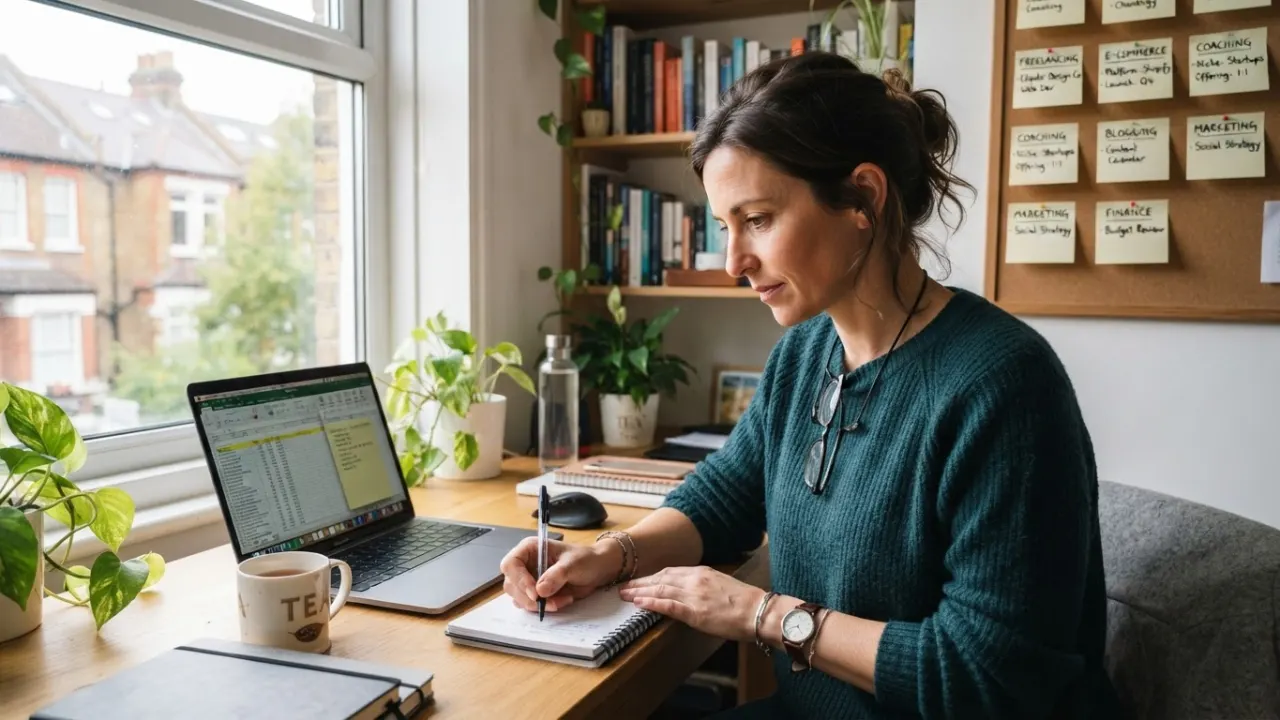
The biggest mistake new founders make isn’t picking the wrong product. It’s picking the wrong model. A great service business and a great software business need different tools, different timelines, and different temperaments. Get the model right and the next 12 months feel manageable. Get the model wrong and even great execution stalls.

Most online businesses fall into one of five clear models. Each has its own ratio of effort, cash up front, and growth ceiling. Pick the one that matches the skills you already have and the cash you can lose, not the one with the loudest social media stories. For more on this topic, see our guide to side hustle ideas to complement your business.

Which business model fits your situation?

Which business model fits your situation?  -  how to start an online business in 2026
Which business model fits your situation?

The five working models in 2026, with what each one actually demands:

  • Service businesses. Sell time and expertise. Bookkeeping, copywriting, design, video editing, virtual assistance, coaching, consulting. The fastest path to first revenue. Solo founders can sign a paying client inside 30 days.
  • Digital products. Templates, courses, ebooks, design files. Higher margins, slower start, real upside once a winning product clicks.
  • Physical products. Inventory, shipping, returns. Branded ecommerce in a real niche still works. Generic dropshipping does not.
  • Software (SaaS). The longest road. 18 to 36 months to real revenue. The largest exits.
  • Content. Newsletters, YouTube, podcasts, blogs. Slow burn. 12 to 24 months. Compounds dramatically once an audience forms.
  • What does the first 90 days really look like?
  • Most online business advice skips the part where the first 90 days are mostly invisible. Founders who quit too early do so because the visible signs of progress don’t match the work they’re putting in. Knowing what to expect ahead of time helps you stay through the boring middle. For more on this topic, see our guide to the best businesses to start in 2026.
  • The first 30 days are setup and outreach. You build the simple site. You write the offer. You start the first round of cold messages. You get almost no replies. You feel slightly foolish. This is normal.
  • Days 31 to 60 are when something starts to click. A few replies turn into discovery calls. The first paying client signs. You realise the offer needs sharpening based on what the client actually wanted versus what you originally pitched. The second client comes a little faster.
  • Days 61 to 90 are when the system starts to work. The first happy clients refer a friend. You raise prices on new clients. You document the workflow so the next client doesn’t feel like starting from zero. You begin to see what month four could look like with a real pipeline behind you. For more on this topic, see our guide to best smartphones for running a business.
  • The biggest predictor of whether a new founder finishes the first 90 days is simple. Did they decide ahead of time that 90 days is the minimum commitment? Founders who tell themselves “I’ll give it a few weeks” almost always quit. Founders who pre-commit to 90 days almost always make it.
  • The legal and tax basics no one wants to read
  • The legal and tax basics no one wants to read  -  how to start an online business in 2026

    The legal and tax basics no one wants to read

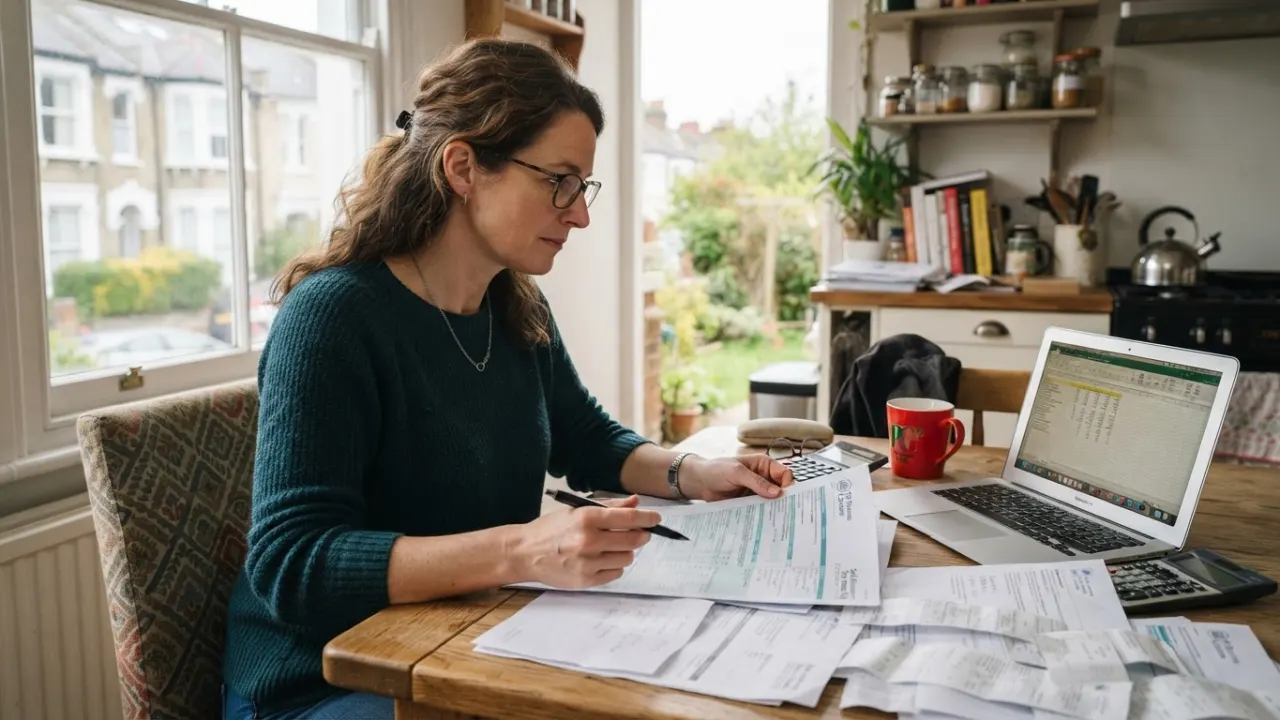
  • Once real revenue starts coming in, the legal and tax side matters. Three things to set up that protect your future self:
  • Form a simple legal entity. A single-member LLC in the United States, or its equivalent in your home country, separates personal and business liability. Filing costs run 50 to 500 USD. Worth it the moment your business hits 10,000 USD in annual revenue.
  • Open a business bank account. Move all business income and expenses through it. Mixing personal and business funds is the fastest way to destroy the legal separation and the easiest way to lose a tax deduction.
  • Pay quarterly estimated taxes if you’re in the US, or your local equivalent. A surprise April tax bill is one of the most common new-founder regrets. Quarterly payments smooth the load and prevent penalties.
  • Sales tax and VAT depend on what you sell and where customers live. Most ecommerce platforms and digital product tools handle this automatically. For services, it’s usually simpler than founders expect. Spend 90 minutes with an accountant in month three. The 200 USD pays back many times over.
  • The mindset shifts that decide who wins
  • The mindset shifts that decide who wins  -  how to start an online business in 2026

    The mindset shifts that decide who wins

  • Most failed online businesses didn’t fail from bad ideas. They failed because the founder stopped before the work paid off. The mindset patterns below show up in nearly every founder who eventually wins:

  • Patience with delayed reward. The first 90 days produce nothing visible. The next 90 produce small signs. The third quarter shows the real shape of the business. Founders who quit at 45 days never see the result.

  • Comfort with not knowing. The plan becomes clearer as the business reveals itself, not before. Experienced founders move forward in directions that feel mostly right and adjust as data arrives.

  • Process focus over outcome focus. Outcomes are partly random. Process is what you can control. Focusing on the process produces better outcomes over time.

  • Reinvestment instead of reward. The first 10,000 USD of revenue should fund growth tools, not lifestyle upgrades. The compounding shows up later if you let it.

  • Independence from external validation. Family, friends, and social media will not understand the work for the first year. The founders who keep going regardless are the ones who finish.

  • The work isn’t exciting most days. It’s small, repeated tasks that add up across months. Comfort with that pattern is what separates founders who finish from founders who quit.
  • Reader questions about starting online
  • Reader questions about starting online  -  how to start an online business in 2026

    Reader questions about starting online

  • How much money do I really need to start? A service business launches with under 200 USD. An ecommerce business needs 1,500 to 5,000 USD across the first 90 days. A SaaS business that you can build yourself needs about the same. Anything beyond that is optional at the start.
  • How long until it’s profitable? Service businesses often hit profit by month two. Ecommerce takes 4 to 9 months. Content businesses take 12 to 24 months. Software businesses take 24 to 36 months. The timeline matters more than most founders expect.
  • Should I quit my job first? No. Wait until business income covers at least 50 percent of essential monthly expenses, sustained for three months. Quitting too early forces desperate decisions, like taking bad clients you’ll regret.
  • What about AI tools? AI is the cheapest help available to a new founder in 2026. Use it for first drafts of all writing, for basic customer support replies, and for any repetitive workflow. Our deeper guide on how to use AI tools for maximum productivity covers the workflows that actually move metrics.
  • Is dropshipping still viable? Generic dropshipping is essentially dead. Margins are too thin to absorb the ad costs. Niche dropshipping with serious branding and a real return policy can still work, but the bar is higher than three years ago.
  • Final thoughts and your turn
  • Starting an online business in 2026 isn’t easier than it was five years ago, but the tooling is far better and the customers are far more comfortable buying online. Focus on one model, one channel, and the first 10 paying customers. Everything else can wait. The biggest gap isn’t between founders who have the best ideas and the rest. It’s between founders who keep showing up daily for 12 months and founders who give up at week six.
  • What kind of online business are you thinking about starting? Share the model and the niche in the comments below. Tell me one stuck point that’s keeping you from launching this week. Share the article with one friend who keeps talking about an idea they haven’t started.
  • Frequently Asked Questions About Starting an Online Business
  • How much money do I need to start an online business?
  • Many online businesses can be started with very little money. A freelance service business can start with just a computer and internet connection you already have. An e-commerce store might need $500 to $2,000 for initial inventory and setup. A content or affiliate business can start for under $100 covering domain and hosting costs.
  • What online business is easiest to start?
  • Service-based businesses are typically the easiest to start because they require minimal upfront investment and use skills you already have. Freelance writing, virtual assistance, graphic design, social media management, and online tutoring are all accessible options for most people with basic computer skills and a marketable skill set.
  • How long does it take to make money with an online business?
  • Service businesses can generate income within weeks of launching. E-commerce typically takes 2 to 6 months to become profitable. Content-based businesses like blogs and YouTube channels often take 1 to 2 years before generating real income. Realistic timelines depend heavily on the business type, the effort invested, and market conditions.
  • Do I need to register my online business?
  • Do I need to register my online business?  -  how to start an online business in 2026

    Do I need to register my online business?

  • This depends on your country and income level. In most countries, you should register your business once it generates consistent income, both for legal protection and tax purposes. Consult a local accountant or business advisor for the specific requirements in your jurisdiction before earning substantial income from your online business. According to GOV.UK, over 4.2 million people in the UK run some form of self-employed or independent income, and the rules around registration and tax are clearly laid out on the official site.
  • Found this useful? Drop a comment below with your thoughts, and share this article with someone who needs it.
  • Here is a quick recap of what this guide covered about how to start an online business in 2026. The steps and information above give you a solid starting point. Apply what is most relevant to your situation and come back to this guide when you need a refresher.
  • The most important thing is to take action. Many people read guides like this one and then wait for the perfect moment. The people who get results are the ones who start today, even if they don’t feel fully ready. Pick one thing from this guide and do it now.
  • Most people make the same handful of mistakes with how to start an online business in 2026. The first is not doing enough research before they start. The second is expecting results too quickly and giving up before the approach has had time to work. The third is following advice that worked for someone else without checking whether it applies to their own situation.
  • Take the time to understand your specific circumstances. What works well in one case may not transfer directly to another. Use this guide as a framework and adjust it to fit your needs rather than following it rigidly.

Pick one. Go deep for 90 days. Don’t spread across all five. Most founders who fail spread their attention. Most who succeed commit to one channel until they understand it well enough to evaluate.

What does the first 90 days really look like?

Most online business advice skips the part where the first 90 days are mostly invisible. Founders who quit too early do so because the visible signs of progress don’t match the work they’re putting in. Knowing what to expect ahead of time helps you stay through the boring middle.

The first 30 days are setup and outreach. You build the simple site. You write the offer. You start the first round of cold messages. You get almost no replies. You feel slightly foolish. This is normal.

Days 31 to 60 are when something starts to click. A few replies turn into discovery calls. The first paying client signs. You realise the offer needs sharpening based on what the client actually wanted versus what you originally pitched. The second client comes a little faster.

Days 61 to 90 are when the system starts to work. The first happy clients refer a friend. You raise prices on new clients. You document the workflow so the next client doesn’t feel like starting from zero. You begin to see what month four could look like with a real pipeline behind you.

The biggest predictor of whether a new founder finishes the first 90 days is simple. Did they decide ahead of time that 90 days is the minimum commitment? Founders who tell themselves “I’ll give it a few weeks” almost always quit. Founders who pre-commit to 90 days almost always make it.

The legal and tax basics no one wants to read  -  how to start an online business in 2026
The legal and tax basics no one wants to read

Once real revenue starts coming in, the legal and tax side matters. Three things to set up that protect your future self:

Form a simple legal entity. A single-member LLC in the United States, or its equivalent in your home country, separates personal and business liability. Filing costs run 50 to 500 USD. Worth it the moment your business hits 10,000 USD in annual revenue.

Open a business bank account. Move all business income and expenses through it. Mixing personal and business funds is the fastest way to destroy the legal separation and the easiest way to lose a tax deduction.

Pay quarterly estimated taxes if you’re in the US, or your local equivalent. A surprise April tax bill is one of the most common new-founder regrets. Quarterly payments smooth the load and prevent penalties.

Sales tax and VAT depend on what you sell and where customers live. Most ecommerce platforms and digital product tools handle this automatically. For services, it’s usually simpler than founders expect. Spend 90 minutes with an accountant in month three. The 200 USD pays back many times over.

The mindset shifts that decide who wins

The mindset shifts that decide who wins  -  how to start an online business in 2026
The mindset shifts that decide who wins

Most failed online businesses didn’t fail from bad ideas. They failed because the founder stopped before the work paid off. The mindset patterns below show up in nearly every founder who eventually wins:

  • Patience with delayed reward. The first 90 days produce nothing visible. The next 90 produce small signs. The third quarter shows the real shape of the business. Founders who quit at 45 days never see the result.
  • Comfort with not knowing. The plan becomes clearer as the business reveals itself, not before. Experienced founders move forward in directions that feel mostly right and adjust as data arrives.
  • Process focus over outcome focus. Outcomes are partly random. Process is what you can control. Focusing on the process produces better outcomes over time.
  • Reinvestment instead of reward. The first 10,000 USD of revenue should fund growth tools, not lifestyle upgrades. The compounding shows up later if you let it.
  • Independence from external validation. Family, friends, and social media will not understand the work for the first year. The founders who keep going regardless are the ones who finish.

The work isn’t exciting most days. It’s small, repeated tasks that add up across months. Comfort with that pattern is what separates founders who finish from founders who quit.

Reader questions about starting online

Reader questions about starting online  -  how to start an online business in 2026
Reader questions about starting online

How much money do I really need to start? A service business launches with under 200 USD. An ecommerce business needs 1,500 to 5,000 USD across the first 90 days. A SaaS business that you can build yourself needs about the same. Anything beyond that is optional at the start.

How long until it’s profitable? Service businesses often hit profit by month two. Ecommerce takes 4 to 9 months. Content businesses take 12 to 24 months. Software businesses take 24 to 36 months. The timeline matters more than most founders expect.

Should I quit my job first? No. Wait until business income covers at least 50 percent of essential monthly expenses, sustained for three months. Quitting too early forces desperate decisions, like taking bad clients you’ll regret.

What about AI tools? AI is the cheapest help available to a new founder in 2026. Use it for first drafts of all writing, for basic customer support replies, and for any repetitive workflow. Our deeper guide on how to use AI tools for maximum productivity covers the workflows that actually move metrics.

Is dropshipping still viable? Generic dropshipping is essentially dead. Margins are too thin to absorb the ad costs. Niche dropshipping with serious branding and a real return policy can still work, but the bar is higher than three years ago.

Final thoughts and your turn

Starting an online business in 2026 isn’t easier than it was five years ago, but the tooling is far better and the customers are far more comfortable buying online. Focus on one model, one channel, and the first 10 paying customers. Everything else can wait. The biggest gap isn’t between founders who have the best ideas and the rest. It’s between founders who keep showing up daily for 12 months and founders who give up at week six.

What kind of online business are you thinking about starting? Share the model and the niche in the comments below. Tell me one stuck point that’s keeping you from launching this week. Share the article with one friend who keeps talking about an idea they haven’t started.

Frequently Asked Questions About Starting an Online Business

How much money do I need to start an online business?

Many online businesses can be started with very little money. A freelance service business can start with just a computer and internet connection you already have. An e-commerce store might need $500 to $2,000 for initial inventory and setup. A content or affiliate business can start for under $100 covering domain and hosting costs.

What online business is easiest to start?

Service-based businesses are typically the easiest to start because they require minimal upfront investment and use skills you already have. Freelance writing, virtual assistance, graphic design, social media management, and online tutoring are all accessible options for most people with basic computer skills and a marketable skill set.

How long does it take to make money with an online business?

Service businesses can generate income within weeks of launching. E-commerce typically takes 2 to 6 months to become profitable. Content-based businesses like blogs and YouTube channels often take 1 to 2 years before generating real income. Realistic timelines depend heavily on the business type, the effort invested, and market conditions.

Do I need to register my online business?

Do I need to register my online business?  -  how to start an online business in 2026
Do I need to register my online business?

This depends on your country and income level. In most countries, you should register your business once it generates consistent income, both for legal protection and tax purposes. Consult a local accountant or business advisor for the specific requirements in your jurisdiction before earning substantial income from your online business. According to GOV.UK, over 4.2 million people in the UK run some form of self-employed or independent income, and the rules around registration and tax are clearly laid out on the official site.

Found this useful? Drop a comment below with your thoughts, and share this article with someone who needs it.

Here is a quick recap of what this guide covered about how to start an online business in 2026. The steps and information above give you a solid starting point. Apply what is most relevant to your situation and come back to this guide when you need a refresher.

The most important thing is to take action. Many people read guides like this one and then wait for the perfect moment. The people who get results are the ones who start today, even if they don’t feel fully ready. Pick one thing from this guide and do it now.

Most people make the same handful of mistakes with how to start an online business in 2026. The first is not doing enough research before they start. The second is expecting results too quickly and giving up before the approach has had time to work. The third is following advice that worked for someone else without checking whether it applies to their own situation.

Take the time to understand your specific circumstances. What works well in one case may not transfer directly to another. Use this guide as a framework and adjust it to fit your needs rather than following it rigidly.

Total monthly cost: 0 to 60 USD. Add Shopify if you’re doing ecommerce. Add Gumroad or Lemon Squeezy if you’re selling digital products. Skip the logo agency. Skip the business cards. Skip the LLC formation until you have actual revenue. None of these add value before the first dollar.

For founders without any starting capital, our deeper guide on how to start a business with no money in 2026 covers the bootstrap path step by step.

Finding the first 10 paying customers

Finding the first 10 paying customers  -  how to start an online business in 2026
Finding the first 10 paying customers

The hardest part of most online businesses isn’t the product. It’s the first 10 customers. After that the referrals and the testimonials carry weight that early outreach can’t. Before that, you do the manual work that founders who succeed all share.

Five tactics that produce first customers within 30 to 60 days:

  • Direct outreach. 10 to 20 personalised messages a day to ideal clients on LinkedIn, by email, or in a relevant community. A 3 to 5 percent reply rate is normal. 100 messages produce 1 to 2 first paying clients.
  • A 30 USD daily paid ad budget to a single offer. Track cost per purchase. If you can acquire a customer for less than the gross profit on a sale, scale the budget. If not, the offer or the pricing needs work.
  • Posting on one short-form video platform daily for 90 days. TikTok or Reels. The first 30 days produce nothing. The next 60 produce momentum.
  • Guest content. Newsletter swaps, podcast interviews, guest posts in relevant publications. One good guest piece can produce more leads than a month of cold outreach.
  • Personal network activation. The 50 people who already know and trust you are usually the highest converting channel in the first 60 days, even if it feels awkward.

Pick one. Go deep for 90 days. Don’t spread across all five. Most founders who fail spread their attention. Most who succeed commit to one channel until they understand it well enough to evaluate.

What does the first 90 days really look like?

Most online business advice skips the part where the first 90 days are mostly invisible. Founders who quit too early do so because the visible signs of progress don’t match the work they’re putting in. Knowing what to expect ahead of time helps you stay through the boring middle.

The first 30 days are setup and outreach. You build the simple site. You write the offer. You start the first round of cold messages. You get almost no replies. You feel slightly foolish. This is normal.

Days 31 to 60 are when something starts to click. A few replies turn into discovery calls. The first paying client signs. You realise the offer needs sharpening based on what the client actually wanted versus what you originally pitched. The second client comes a little faster.

Days 61 to 90 are when the system starts to work. The first happy clients refer a friend. You raise prices on new clients. You document the workflow so the next client doesn’t feel like starting from zero. You begin to see what month four could look like with a real pipeline behind you.

The biggest predictor of whether a new founder finishes the first 90 days is simple. Did they decide ahead of time that 90 days is the minimum commitment? Founders who tell themselves “I’ll give it a few weeks” almost always quit. Founders who pre-commit to 90 days almost always make it.

The legal and tax basics no one wants to read  -  how to start an online business in 2026
The legal and tax basics no one wants to read

Once real revenue starts coming in, the legal and tax side matters. Three things to set up that protect your future self:

Form a simple legal entity. A single-member LLC in the United States, or its equivalent in your home country, separates personal and business liability. Filing costs run 50 to 500 USD. Worth it the moment your business hits 10,000 USD in annual revenue.

Open a business bank account. Move all business income and expenses through it. Mixing personal and business funds is the fastest way to destroy the legal separation and the easiest way to lose a tax deduction.

Pay quarterly estimated taxes if you’re in the US, or your local equivalent. A surprise April tax bill is one of the most common new-founder regrets. Quarterly payments smooth the load and prevent penalties.

Sales tax and VAT depend on what you sell and where customers live. Most ecommerce platforms and digital product tools handle this automatically. For services, it’s usually simpler than founders expect. Spend 90 minutes with an accountant in month three. The 200 USD pays back many times over.

The mindset shifts that decide who wins

The mindset shifts that decide who wins  -  how to start an online business in 2026
The mindset shifts that decide who wins

Most failed online businesses didn’t fail from bad ideas. They failed because the founder stopped before the work paid off. The mindset patterns below show up in nearly every founder who eventually wins:

  • Patience with delayed reward. The first 90 days produce nothing visible. The next 90 produce small signs. The third quarter shows the real shape of the business. Founders who quit at 45 days never see the result.
  • Comfort with not knowing. The plan becomes clearer as the business reveals itself, not before. Experienced founders move forward in directions that feel mostly right and adjust as data arrives.
  • Process focus over outcome focus. Outcomes are partly random. Process is what you can control. Focusing on the process produces better outcomes over time.
  • Reinvestment instead of reward. The first 10,000 USD of revenue should fund growth tools, not lifestyle upgrades. The compounding shows up later if you let it.
  • Independence from external validation. Family, friends, and social media will not understand the work for the first year. The founders who keep going regardless are the ones who finish.

The work isn’t exciting most days. It’s small, repeated tasks that add up across months. Comfort with that pattern is what separates founders who finish from founders who quit.

Reader questions about starting online

Reader questions about starting online  -  how to start an online business in 2026
Reader questions about starting online

How much money do I really need to start? A service business launches with under 200 USD. An ecommerce business needs 1,500 to 5,000 USD across the first 90 days. A SaaS business that you can build yourself needs about the same. Anything beyond that is optional at the start.

How long until it’s profitable? Service businesses often hit profit by month two. Ecommerce takes 4 to 9 months. Content businesses take 12 to 24 months. Software businesses take 24 to 36 months. The timeline matters more than most founders expect.

Should I quit my job first? No. Wait until business income covers at least 50 percent of essential monthly expenses, sustained for three months. Quitting too early forces desperate decisions, like taking bad clients you’ll regret.

What about AI tools? AI is the cheapest help available to a new founder in 2026. Use it for first drafts of all writing, for basic customer support replies, and for any repetitive workflow. Our deeper guide on how to use AI tools for maximum productivity covers the workflows that actually move metrics.

Is dropshipping still viable? Generic dropshipping is essentially dead. Margins are too thin to absorb the ad costs. Niche dropshipping with serious branding and a real return policy can still work, but the bar is higher than three years ago.

Final thoughts and your turn

Starting an online business in 2026 isn’t easier than it was five years ago, but the tooling is far better and the customers are far more comfortable buying online. Focus on one model, one channel, and the first 10 paying customers. Everything else can wait. The biggest gap isn’t between founders who have the best ideas and the rest. It’s between founders who keep showing up daily for 12 months and founders who give up at week six.

What kind of online business are you thinking about starting? Share the model and the niche in the comments below. Tell me one stuck point that’s keeping you from launching this week. Share the article with one friend who keeps talking about an idea they haven’t started.

Frequently Asked Questions About Starting an Online Business

How much money do I need to start an online business?

Many online businesses can be started with very little money. A freelance service business can start with just a computer and internet connection you already have. An e-commerce store might need $500 to $2,000 for initial inventory and setup. A content or affiliate business can start for under $100 covering domain and hosting costs.

What online business is easiest to start?

Service-based businesses are typically the easiest to start because they require minimal upfront investment and use skills you already have. Freelance writing, virtual assistance, graphic design, social media management, and online tutoring are all accessible options for most people with basic computer skills and a marketable skill set.

How long does it take to make money with an online business?

Service businesses can generate income within weeks of launching. E-commerce typically takes 2 to 6 months to become profitable. Content-based businesses like blogs and YouTube channels often take 1 to 2 years before generating real income. Realistic timelines depend heavily on the business type, the effort invested, and market conditions.

Do I need to register my online business?

Do I need to register my online business?  -  how to start an online business in 2026
Do I need to register my online business?

This depends on your country and income level. In most countries, you should register your business once it generates consistent income, both for legal protection and tax purposes. Consult a local accountant or business advisor for the specific requirements in your jurisdiction before earning substantial income from your online business. According to GOV.UK, over 4.2 million people in the UK run some form of self-employed or independent income, and the rules around registration and tax are clearly laid out on the official site.

Found this useful? Drop a comment below with your thoughts, and share this article with someone who needs it.

Here is a quick recap of what this guide covered about how to start an online business in 2026. The steps and information above give you a solid starting point. Apply what is most relevant to your situation and come back to this guide when you need a refresher.

The most important thing is to take action. Many people read guides like this one and then wait for the perfect moment. The people who get results are the ones who start today, even if they don’t feel fully ready. Pick one thing from this guide and do it now.

Most people make the same handful of mistakes with how to start an online business in 2026. The first is not doing enough research before they start. The second is expecting results too quickly and giving up before the approach has had time to work. The third is following advice that worked for someone else without checking whether it applies to their own situation.

Take the time to understand your specific circumstances. What works well in one case may not transfer directly to another. Use this guide as a framework and adjust it to fit your needs rather than following it rigidly.

If three strangers outside your network pay deposits before the product exists, you have a real business. If they don’t, the message needs sharpening or the offer needs to change. Most validation failures are message failures, not product failures.

The minimum tool stack that actually works

The minimum tool stack that actually works  -  how to start an online business in 2026
The minimum tool stack that actually works

Most new founders overspend on tools in the first month. The right stack for the first 6 months is small. Each tool earns its keep within 4 weeks or gets cut.

  • A single-page site. Carrd, Webflow’s free tier, or a basic WordPress install. None of these need code.
  • A payment processor. Stripe in most countries. PayPal as a backup. Or a local equivalent where Stripe doesn’t operate.
  • An email tool. Beehiiv or ConvertKit for newsletters. Basic Gmail if the business is service-based.
  • A shared inbox for customer support. Help Scout, Front, or a Gmail label setup.
  • A scheduling tool. Calendly’s free tier for discovery calls.

Total monthly cost: 0 to 60 USD. Add Shopify if you’re doing ecommerce. Add Gumroad or Lemon Squeezy if you’re selling digital products. Skip the logo agency. Skip the business cards. Skip the LLC formation until you have actual revenue. None of these add value before the first dollar.

For founders without any starting capital, our deeper guide on how to start a business with no money in 2026 covers the bootstrap path step by step.

Finding the first 10 paying customers

Finding the first 10 paying customers  -  how to start an online business in 2026
Finding the first 10 paying customers

The hardest part of most online businesses isn’t the product. It’s the first 10 customers. After that the referrals and the testimonials carry weight that early outreach can’t. Before that, you do the manual work that founders who succeed all share.

Five tactics that produce first customers within 30 to 60 days:

  • Direct outreach. 10 to 20 personalised messages a day to ideal clients on LinkedIn, by email, or in a relevant community. A 3 to 5 percent reply rate is normal. 100 messages produce 1 to 2 first paying clients.
  • A 30 USD daily paid ad budget to a single offer. Track cost per purchase. If you can acquire a customer for less than the gross profit on a sale, scale the budget. If not, the offer or the pricing needs work.
  • Posting on one short-form video platform daily for 90 days. TikTok or Reels. The first 30 days produce nothing. The next 60 produce momentum.
  • Guest content. Newsletter swaps, podcast interviews, guest posts in relevant publications. One good guest piece can produce more leads than a month of cold outreach.
  • Personal network activation. The 50 people who already know and trust you are usually the highest converting channel in the first 60 days, even if it feels awkward.

Pick one. Go deep for 90 days. Don’t spread across all five. Most founders who fail spread their attention. Most who succeed commit to one channel until they understand it well enough to evaluate.

What does the first 90 days really look like?

Most online business advice skips the part where the first 90 days are mostly invisible. Founders who quit too early do so because the visible signs of progress don’t match the work they’re putting in. Knowing what to expect ahead of time helps you stay through the boring middle.

The first 30 days are setup and outreach. You build the simple site. You write the offer. You start the first round of cold messages. You get almost no replies. You feel slightly foolish. This is normal.

Days 31 to 60 are when something starts to click. A few replies turn into discovery calls. The first paying client signs. You realise the offer needs sharpening based on what the client actually wanted versus what you originally pitched. The second client comes a little faster.

Days 61 to 90 are when the system starts to work. The first happy clients refer a friend. You raise prices on new clients. You document the workflow so the next client doesn’t feel like starting from zero. You begin to see what month four could look like with a real pipeline behind you.

The biggest predictor of whether a new founder finishes the first 90 days is simple. Did they decide ahead of time that 90 days is the minimum commitment? Founders who tell themselves “I’ll give it a few weeks” almost always quit. Founders who pre-commit to 90 days almost always make it.

The legal and tax basics no one wants to read  -  how to start an online business in 2026
The legal and tax basics no one wants to read

Once real revenue starts coming in, the legal and tax side matters. Three things to set up that protect your future self:

Form a simple legal entity. A single-member LLC in the United States, or its equivalent in your home country, separates personal and business liability. Filing costs run 50 to 500 USD. Worth it the moment your business hits 10,000 USD in annual revenue.

Open a business bank account. Move all business income and expenses through it. Mixing personal and business funds is the fastest way to destroy the legal separation and the easiest way to lose a tax deduction.

Pay quarterly estimated taxes if you’re in the US, or your local equivalent. A surprise April tax bill is one of the most common new-founder regrets. Quarterly payments smooth the load and prevent penalties.

Sales tax and VAT depend on what you sell and where customers live. Most ecommerce platforms and digital product tools handle this automatically. For services, it’s usually simpler than founders expect. Spend 90 minutes with an accountant in month three. The 200 USD pays back many times over.

The mindset shifts that decide who wins

The mindset shifts that decide who wins  -  how to start an online business in 2026
The mindset shifts that decide who wins

Most failed online businesses didn’t fail from bad ideas. They failed because the founder stopped before the work paid off. The mindset patterns below show up in nearly every founder who eventually wins:

  • Patience with delayed reward. The first 90 days produce nothing visible. The next 90 produce small signs. The third quarter shows the real shape of the business. Founders who quit at 45 days never see the result.
  • Comfort with not knowing. The plan becomes clearer as the business reveals itself, not before. Experienced founders move forward in directions that feel mostly right and adjust as data arrives.
  • Process focus over outcome focus. Outcomes are partly random. Process is what you can control. Focusing on the process produces better outcomes over time.
  • Reinvestment instead of reward. The first 10,000 USD of revenue should fund growth tools, not lifestyle upgrades. The compounding shows up later if you let it.
  • Independence from external validation. Family, friends, and social media will not understand the work for the first year. The founders who keep going regardless are the ones who finish.

The work isn’t exciting most days. It’s small, repeated tasks that add up across months. Comfort with that pattern is what separates founders who finish from founders who quit.

Reader questions about starting online

Reader questions about starting online  -  how to start an online business in 2026
Reader questions about starting online

How much money do I really need to start? A service business launches with under 200 USD. An ecommerce business needs 1,500 to 5,000 USD across the first 90 days. A SaaS business that you can build yourself needs about the same. Anything beyond that is optional at the start.

How long until it’s profitable? Service businesses often hit profit by month two. Ecommerce takes 4 to 9 months. Content businesses take 12 to 24 months. Software businesses take 24 to 36 months. The timeline matters more than most founders expect.

Should I quit my job first? No. Wait until business income covers at least 50 percent of essential monthly expenses, sustained for three months. Quitting too early forces desperate decisions, like taking bad clients you’ll regret.

What about AI tools? AI is the cheapest help available to a new founder in 2026. Use it for first drafts of all writing, for basic customer support replies, and for any repetitive workflow. Our deeper guide on how to use AI tools for maximum productivity covers the workflows that actually move metrics.

Is dropshipping still viable? Generic dropshipping is essentially dead. Margins are too thin to absorb the ad costs. Niche dropshipping with serious branding and a real return policy can still work, but the bar is higher than three years ago.

Final thoughts and your turn

Starting an online business in 2026 isn’t easier than it was five years ago, but the tooling is far better and the customers are far more comfortable buying online. Focus on one model, one channel, and the first 10 paying customers. Everything else can wait. The biggest gap isn’t between founders who have the best ideas and the rest. It’s between founders who keep showing up daily for 12 months and founders who give up at week six.

What kind of online business are you thinking about starting? Share the model and the niche in the comments below. Tell me one stuck point that’s keeping you from launching this week. Share the article with one friend who keeps talking about an idea they haven’t started.

Frequently Asked Questions About Starting an Online Business

How much money do I need to start an online business?

Many online businesses can be started with very little money. A freelance service business can start with just a computer and internet connection you already have. An e-commerce store might need $500 to $2,000 for initial inventory and setup. A content or affiliate business can start for under $100 covering domain and hosting costs.

What online business is easiest to start?

Service-based businesses are typically the easiest to start because they require minimal upfront investment and use skills you already have. Freelance writing, virtual assistance, graphic design, social media management, and online tutoring are all accessible options for most people with basic computer skills and a marketable skill set.

How long does it take to make money with an online business?

Service businesses can generate income within weeks of launching. E-commerce typically takes 2 to 6 months to become profitable. Content-based businesses like blogs and YouTube channels often take 1 to 2 years before generating real income. Realistic timelines depend heavily on the business type, the effort invested, and market conditions.

Do I need to register my online business?

Do I need to register my online business?  -  how to start an online business in 2026
Do I need to register my online business?

This depends on your country and income level. In most countries, you should register your business once it generates consistent income, both for legal protection and tax purposes. Consult a local accountant or business advisor for the specific requirements in your jurisdiction before earning substantial income from your online business. According to GOV.UK, over 4.2 million people in the UK run some form of self-employed or independent income, and the rules around registration and tax are clearly laid out on the official site.

Found this useful? Drop a comment below with your thoughts, and share this article with someone who needs it.

Here is a quick recap of what this guide covered about how to start an online business in 2026. The steps and information above give you a solid starting point. Apply what is most relevant to your situation and come back to this guide when you need a refresher.

The most important thing is to take action. Many people read guides like this one and then wait for the perfect moment. The people who get results are the ones who start today, even if they don’t feel fully ready. Pick one thing from this guide and do it now.

Most people make the same handful of mistakes with how to start an online business in 2026. The first is not doing enough research before they start. The second is expecting results too quickly and giving up before the approach has had time to work. The third is following advice that worked for someone else without checking whether it applies to their own situation.

Take the time to understand your specific circumstances. What works well in one case may not transfer directly to another. Use this guide as a framework and adjust it to fit your needs rather than following it rigidly.

Service businesses pay fastest. Software pays largest. Content pays last but biggest if it works. Pick by your timeline and your cash, not by which type of founder gets the most attention online. For broader category ideas, our guide to the best businesses to start in 2026 covers the categories with the strongest tailwinds.

How to validate the idea before you build

Most failed online businesses spent months building before checking if anyone wanted the product. Validation is the cheap test that prevents the expensive mistake. The question every validation tries to answer: will real people, who aren’t your friends or family, give you money for this thing?

Four simple validation steps that cost almost nothing:

  • Talk to 10 potential customers. In person, on a call, or in a community where they hang out. Ask what they do now to solve the problem. Ask what they pay. Ask what frustrates them.
  • Run 50 to 100 USD of paid ads to a single landing page that describes the offer and collects emails. A 3 percent signup rate is a healthy signal.
  • Pre-sell with a deposit. Three paid pre-orders before the product exists is a stronger signal than 100 polite “I’d buy that” comments.
  • Watch what happens after the discovery call. Did the prospect ask follow-up questions on their own? That’s real interest. If they went quiet, you have a marketing problem or a product problem.

If three strangers outside your network pay deposits before the product exists, you have a real business. If they don’t, the message needs sharpening or the offer needs to change. Most validation failures are message failures, not product failures.

The minimum tool stack that actually works

The minimum tool stack that actually works  -  how to start an online business in 2026
The minimum tool stack that actually works

Most new founders overspend on tools in the first month. The right stack for the first 6 months is small. Each tool earns its keep within 4 weeks or gets cut.

  • A single-page site. Carrd, Webflow’s free tier, or a basic WordPress install. None of these need code.
  • A payment processor. Stripe in most countries. PayPal as a backup. Or a local equivalent where Stripe doesn’t operate.
  • An email tool. Beehiiv or ConvertKit for newsletters. Basic Gmail if the business is service-based.
  • A shared inbox for customer support. Help Scout, Front, or a Gmail label setup.
  • A scheduling tool. Calendly’s free tier for discovery calls.

Total monthly cost: 0 to 60 USD. Add Shopify if you’re doing ecommerce. Add Gumroad or Lemon Squeezy if you’re selling digital products. Skip the logo agency. Skip the business cards. Skip the LLC formation until you have actual revenue. None of these add value before the first dollar.

For founders without any starting capital, our deeper guide on how to start a business with no money in 2026 covers the bootstrap path step by step.

Finding the first 10 paying customers

Finding the first 10 paying customers  -  how to start an online business in 2026
Finding the first 10 paying customers

The hardest part of most online businesses isn’t the product. It’s the first 10 customers. After that the referrals and the testimonials carry weight that early outreach can’t. Before that, you do the manual work that founders who succeed all share.

Five tactics that produce first customers within 30 to 60 days:

  • Direct outreach. 10 to 20 personalised messages a day to ideal clients on LinkedIn, by email, or in a relevant community. A 3 to 5 percent reply rate is normal. 100 messages produce 1 to 2 first paying clients.
  • A 30 USD daily paid ad budget to a single offer. Track cost per purchase. If you can acquire a customer for less than the gross profit on a sale, scale the budget. If not, the offer or the pricing needs work.
  • Posting on one short-form video platform daily for 90 days. TikTok or Reels. The first 30 days produce nothing. The next 60 produce momentum.
  • Guest content. Newsletter swaps, podcast interviews, guest posts in relevant publications. One good guest piece can produce more leads than a month of cold outreach.
  • Personal network activation. The 50 people who already know and trust you are usually the highest converting channel in the first 60 days, even if it feels awkward.

Pick one. Go deep for 90 days. Don’t spread across all five. Most founders who fail spread their attention. Most who succeed commit to one channel until they understand it well enough to evaluate.

What does the first 90 days really look like?

Most online business advice skips the part where the first 90 days are mostly invisible. Founders who quit too early do so because the visible signs of progress don’t match the work they’re putting in. Knowing what to expect ahead of time helps you stay through the boring middle.

The first 30 days are setup and outreach. You build the simple site. You write the offer. You start the first round of cold messages. You get almost no replies. You feel slightly foolish. This is normal.

Days 31 to 60 are when something starts to click. A few replies turn into discovery calls. The first paying client signs. You realise the offer needs sharpening based on what the client actually wanted versus what you originally pitched. The second client comes a little faster.

Days 61 to 90 are when the system starts to work. The first happy clients refer a friend. You raise prices on new clients. You document the workflow so the next client doesn’t feel like starting from zero. You begin to see what month four could look like with a real pipeline behind you.

The biggest predictor of whether a new founder finishes the first 90 days is simple. Did they decide ahead of time that 90 days is the minimum commitment? Founders who tell themselves “I’ll give it a few weeks” almost always quit. Founders who pre-commit to 90 days almost always make it.

The legal and tax basics no one wants to read  -  how to start an online business in 2026
The legal and tax basics no one wants to read

Once real revenue starts coming in, the legal and tax side matters. Three things to set up that protect your future self:

Form a simple legal entity. A single-member LLC in the United States, or its equivalent in your home country, separates personal and business liability. Filing costs run 50 to 500 USD. Worth it the moment your business hits 10,000 USD in annual revenue.

Open a business bank account. Move all business income and expenses through it. Mixing personal and business funds is the fastest way to destroy the legal separation and the easiest way to lose a tax deduction.

Pay quarterly estimated taxes if you’re in the US, or your local equivalent. A surprise April tax bill is one of the most common new-founder regrets. Quarterly payments smooth the load and prevent penalties.

Sales tax and VAT depend on what you sell and where customers live. Most ecommerce platforms and digital product tools handle this automatically. For services, it’s usually simpler than founders expect. Spend 90 minutes with an accountant in month three. The 200 USD pays back many times over.

The mindset shifts that decide who wins

The mindset shifts that decide who wins  -  how to start an online business in 2026
The mindset shifts that decide who wins

Most failed online businesses didn’t fail from bad ideas. They failed because the founder stopped before the work paid off. The mindset patterns below show up in nearly every founder who eventually wins:

  • Patience with delayed reward. The first 90 days produce nothing visible. The next 90 produce small signs. The third quarter shows the real shape of the business. Founders who quit at 45 days never see the result.
  • Comfort with not knowing. The plan becomes clearer as the business reveals itself, not before. Experienced founders move forward in directions that feel mostly right and adjust as data arrives.
  • Process focus over outcome focus. Outcomes are partly random. Process is what you can control. Focusing on the process produces better outcomes over time.
  • Reinvestment instead of reward. The first 10,000 USD of revenue should fund growth tools, not lifestyle upgrades. The compounding shows up later if you let it.
  • Independence from external validation. Family, friends, and social media will not understand the work for the first year. The founders who keep going regardless are the ones who finish.

The work isn’t exciting most days. It’s small, repeated tasks that add up across months. Comfort with that pattern is what separates founders who finish from founders who quit.

Reader questions about starting online

Reader questions about starting online  -  how to start an online business in 2026
Reader questions about starting online

How much money do I really need to start? A service business launches with under 200 USD. An ecommerce business needs 1,500 to 5,000 USD across the first 90 days. A SaaS business that you can build yourself needs about the same. Anything beyond that is optional at the start.

How long until it’s profitable? Service businesses often hit profit by month two. Ecommerce takes 4 to 9 months. Content businesses take 12 to 24 months. Software businesses take 24 to 36 months. The timeline matters more than most founders expect.

Should I quit my job first? No. Wait until business income covers at least 50 percent of essential monthly expenses, sustained for three months. Quitting too early forces desperate decisions, like taking bad clients you’ll regret.

What about AI tools? AI is the cheapest help available to a new founder in 2026. Use it for first drafts of all writing, for basic customer support replies, and for any repetitive workflow. Our deeper guide on how to use AI tools for maximum productivity covers the workflows that actually move metrics.

Is dropshipping still viable? Generic dropshipping is essentially dead. Margins are too thin to absorb the ad costs. Niche dropshipping with serious branding and a real return policy can still work, but the bar is higher than three years ago.

Final thoughts and your turn

Starting an online business in 2026 isn’t easier than it was five years ago, but the tooling is far better and the customers are far more comfortable buying online. Focus on one model, one channel, and the first 10 paying customers. Everything else can wait. The biggest gap isn’t between founders who have the best ideas and the rest. It’s between founders who keep showing up daily for 12 months and founders who give up at week six.

What kind of online business are you thinking about starting? Share the model and the niche in the comments below. Tell me one stuck point that’s keeping you from launching this week. Share the article with one friend who keeps talking about an idea they haven’t started.

Frequently Asked Questions About Starting an Online Business

How much money do I need to start an online business?

Many online businesses can be started with very little money. A freelance service business can start with just a computer and internet connection you already have. An e-commerce store might need $500 to $2,000 for initial inventory and setup. A content or affiliate business can start for under $100 covering domain and hosting costs.

What online business is easiest to start?

Service-based businesses are typically the easiest to start because they require minimal upfront investment and use skills you already have. Freelance writing, virtual assistance, graphic design, social media management, and online tutoring are all accessible options for most people with basic computer skills and a marketable skill set.

How long does it take to make money with an online business?

Service businesses can generate income within weeks of launching. E-commerce typically takes 2 to 6 months to become profitable. Content-based businesses like blogs and YouTube channels often take 1 to 2 years before generating real income. Realistic timelines depend heavily on the business type, the effort invested, and market conditions.

Do I need to register my online business?

Do I need to register my online business?  -  how to start an online business in 2026
Do I need to register my online business?

This depends on your country and income level. In most countries, you should register your business once it generates consistent income, both for legal protection and tax purposes. Consult a local accountant or business advisor for the specific requirements in your jurisdiction before earning substantial income from your online business. According to GOV.UK, over 4.2 million people in the UK run some form of self-employed or independent income, and the rules around registration and tax are clearly laid out on the official site.

Found this useful? Drop a comment below with your thoughts, and share this article with someone who needs it.

Here is a quick recap of what this guide covered about how to start an online business in 2026. The steps and information above give you a solid starting point. Apply what is most relevant to your situation and come back to this guide when you need a refresher.

Understanding how to start an online business gives you an advantage whether you are just starting out or have years of experience. The key principles of how to start an online business apply across different situations and help you make better decisions at every stage. Most people who study how to start an online business seriously find that consistent practice of the fundamentals produces the best results over time.

The most important thing is to take action. Many people read guides like this one and then wait for the perfect moment. The people who get results are the ones who start today, even if they don’t feel fully ready. Pick one thing from this guide and do it now.

Most people make the same handful of mistakes with how to start an online business in 2026. The first is not doing enough research before they start. The second is expecting results too quickly and giving up before the approach has had time to work. The third is following advice that worked for someone else without checking whether it applies to their own situation.

Take the time to understand your specific circumstances. What works well in one case may not transfer directly to another. Use this guide as a framework and adjust it to fit your needs rather than following it rigidly.

What has your experience been with how to start an online business? Which tip or approach has worked best for you? Leave a comment below and share what you have found.

Share This Article
Follow:
Startups Editor covering funding, founders and the global startup ecosystem.
Leave a Comment

Leave a Reply

Your email address will not be published. Required fields are marked *