



this is the topic of this complete guide. The fastest growing cities in the world in 2026 are concentrated in Africa, South Asia, and parts of the Middle East, where urbanisation is happening at a pace that developed countries experienced over centuries being compressed into decades. This guide covers the cities growing fastest by population and why their rapid growth is happening.
According to Wikipedia’s city growth rate list, the fastest growing cities in the world are predominantly in South Asia and Sub-Saharan Africa For more background, see Wikipedia reference.
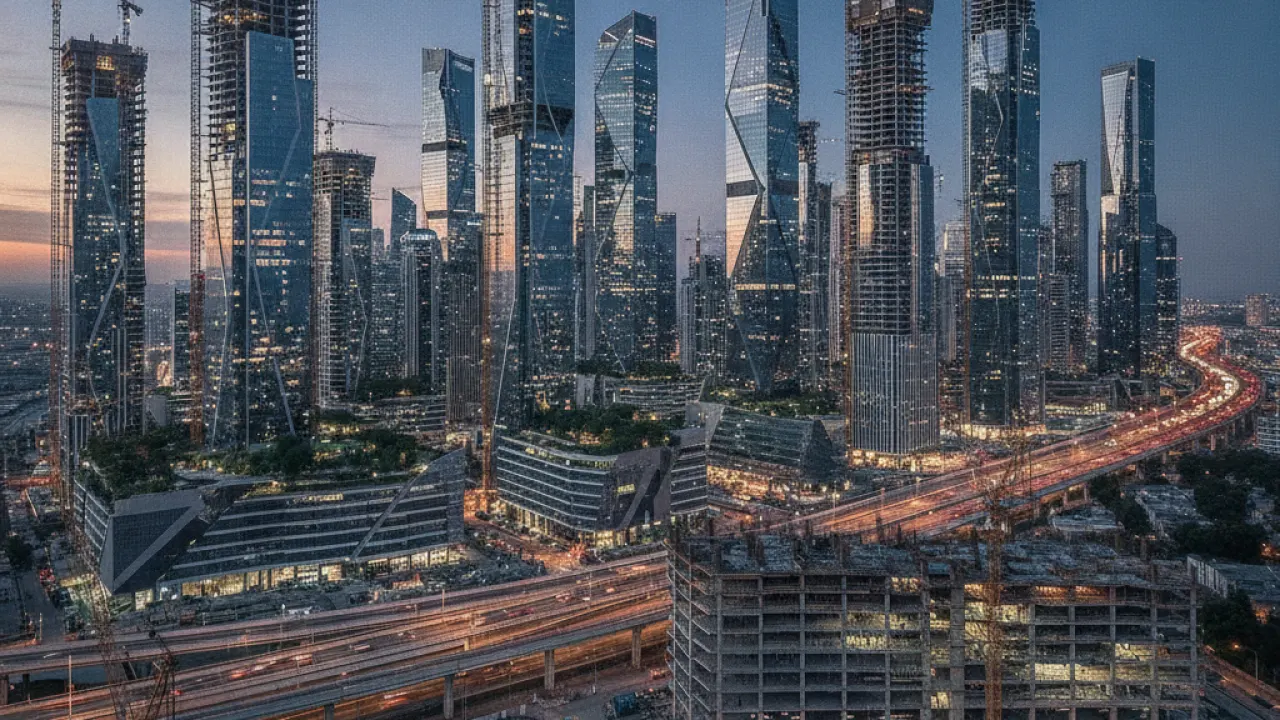
Why Cities Grow – Fastest Growing Cities In World
Cities grow for two main reasons: people being born within them, and people moving into them from elsewhere. In the fastest-growing cities globally, both factors are often operating simultaneously. High birth rates in developing economies contribute to internal population growth, while rural-to-urban migration brings large numbers of people seeking employment opportunities, healthcare, and education that rural areas cannot provide.
Economic growth is the primary driver of urban migration. When a city or country achieves sustained GDP growth, it creates jobs that draw workers from surrounding areas. Infrastructure investment in roads, ports, power systems, and communication networks accelerates this process. Cities that achieve a critical mass of population and economic activity often grow faster thereafter as network effects create more opportunities.
Fastest Growing Cities by Population 2026
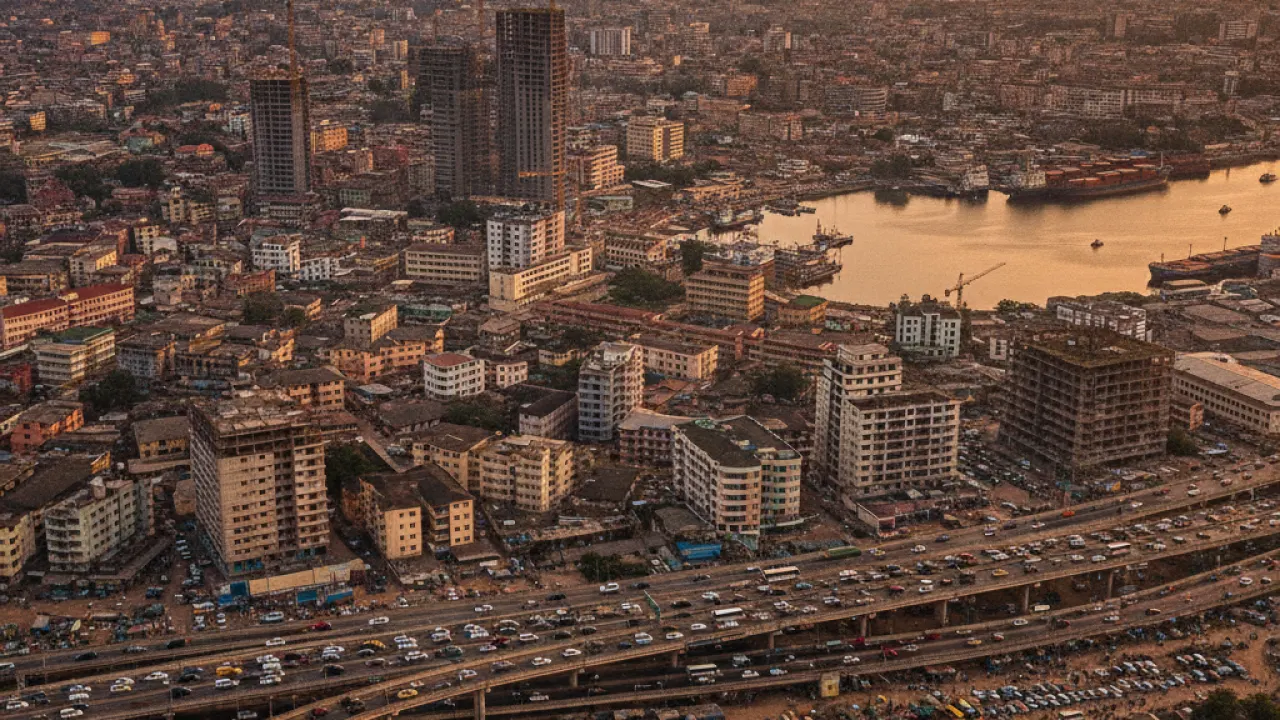
Lagos, Nigeria
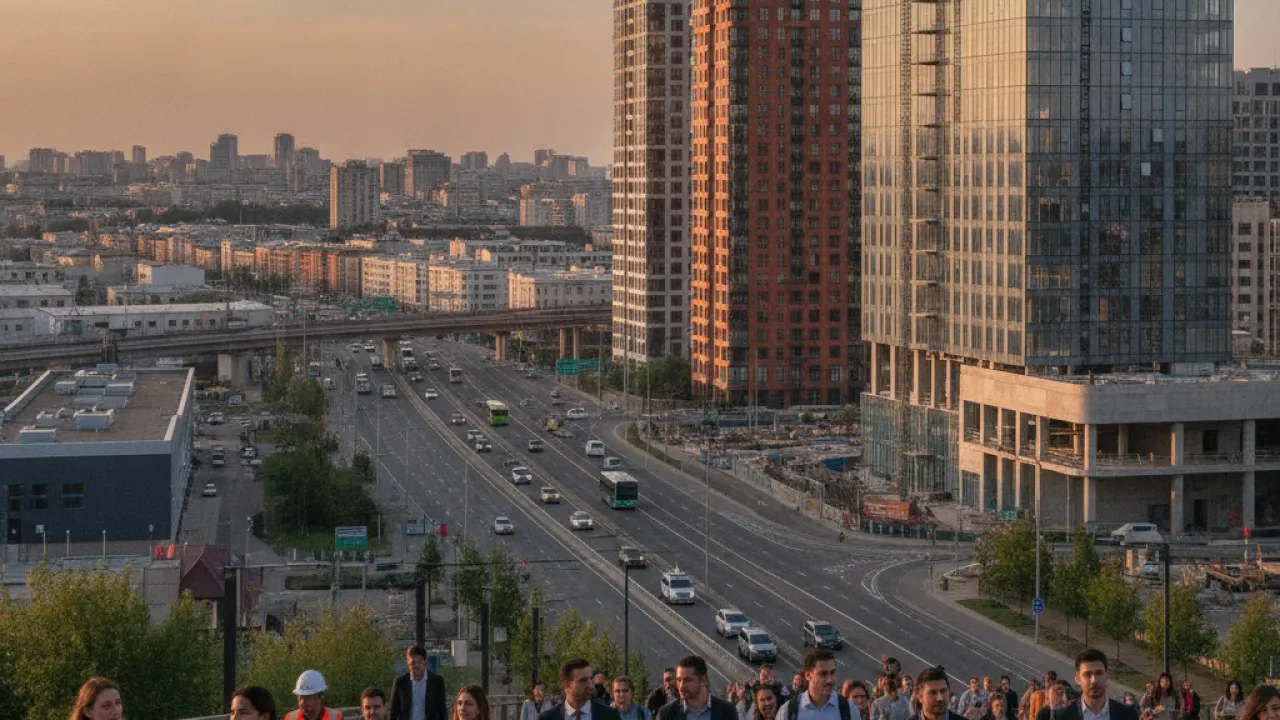
Lagos is among the fastest growing major cities in the world. The current population of approximately 16 million is projected to reach over 25 million by 2040. Nigeria’s rapid overall population growth, combined with Lagos’s status as the commercial capital of Africa’s most populous country, makes it one of the defining urban stories of the early twenty-first century. The city is expanding physically and vertically simultaneously, with real investment in infrastructure trying to keep pace with population growth. See also: UK city populations.
Kinshasa, Democratic Republic of Congo
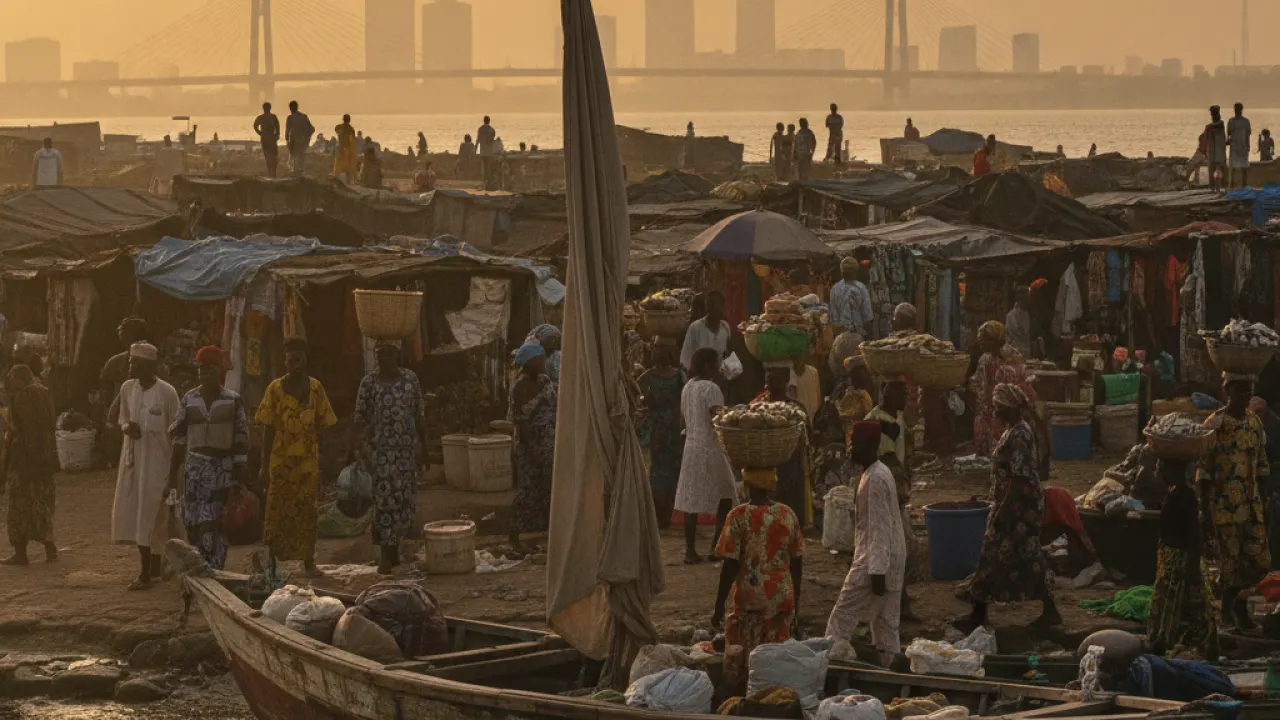
Kinshasa is one of the fastest growing cities in the world and is projected to become one of the most populous cities on earth by mid-century. The DRC’s high fertility rate and rapid urbanisation are driving population growth in the capital that strains infrastructure, water supply, and housing provision really. Also: best travel destinations.
Dar es Salaam, Tanzania

Tanzania’s commercial capital has been growing at approximately 5 to 6 percent per year, one of the fastest rates of any African city. The combination of Tanzania’s economic growth, coastal trade advantages, and the city’s role as a regional hub for East Africa are driving real rural-to-urban migration. See also our guide on Biggest Stadiums in World 2026.
Dhaka, Bangladesh
Dhaka has grown from a city of 2 million in 1980 to over 20 million today, one of the most dramatic urban growth stories in modern history. The garment industry, which employs millions and makes Bangladesh one of the world’s largest clothing exporters, has driven much of this growth. Dhaka faces severe pressures on infrastructure, air quality, and traffic as its growth has outpaced its physical development. See also our guide on Places to Retire in Australia 2026.
s severe pressures on infrastructure, air quality, and traffic as its growth has outpaced its physical development.Kolkata, India
<figurIndia’s third largest city continues to grow rapidly as the country’s urban population expands. India as a whole is adding approximately 30 million urban residents per year, making it the world’s largest urban growth story. Multiple Indian cities including Kolkata, Chennai, Hyderabad, and Pune are among the fastest growing in the world. See also our guide on eating clean for beginners.
. India as a whole is adding approximately 30 million urban residents per year, making it the world’s largest urban growth story. Multiple Indian cities including Kolkata, Chennai, Hyderabad, and Pune are among the fastest growing in the world.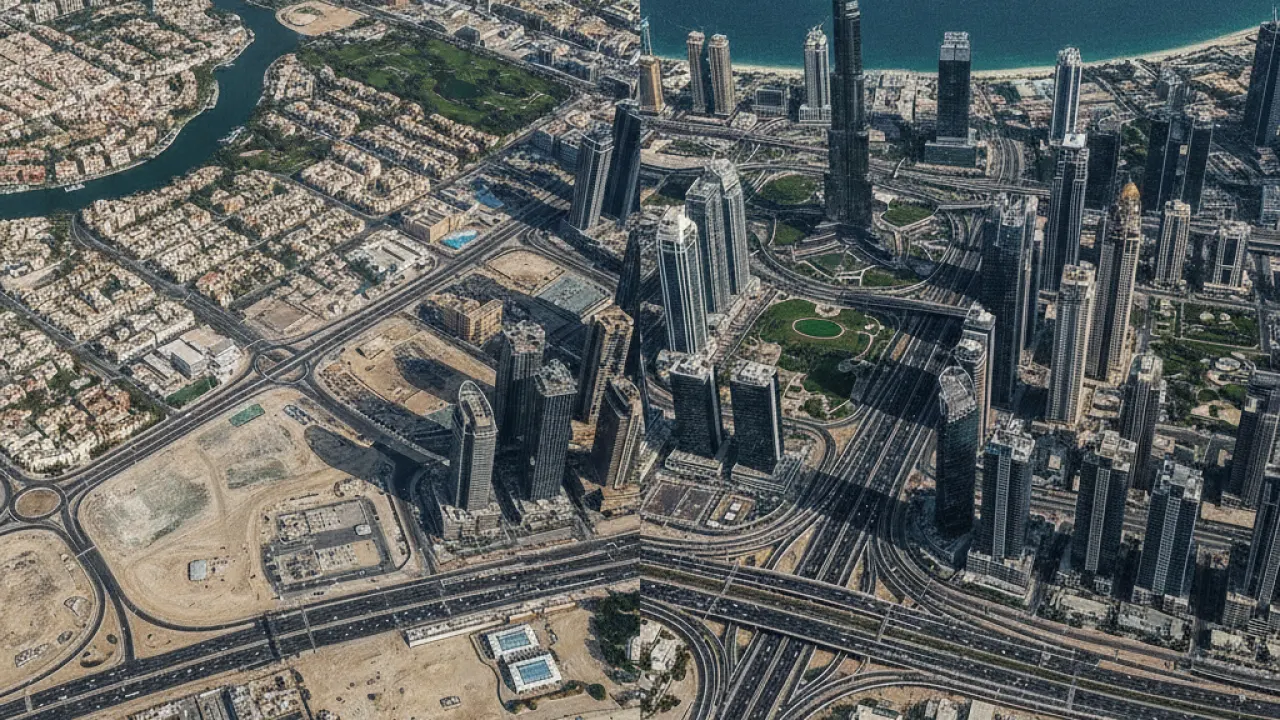
Dubai, UAE
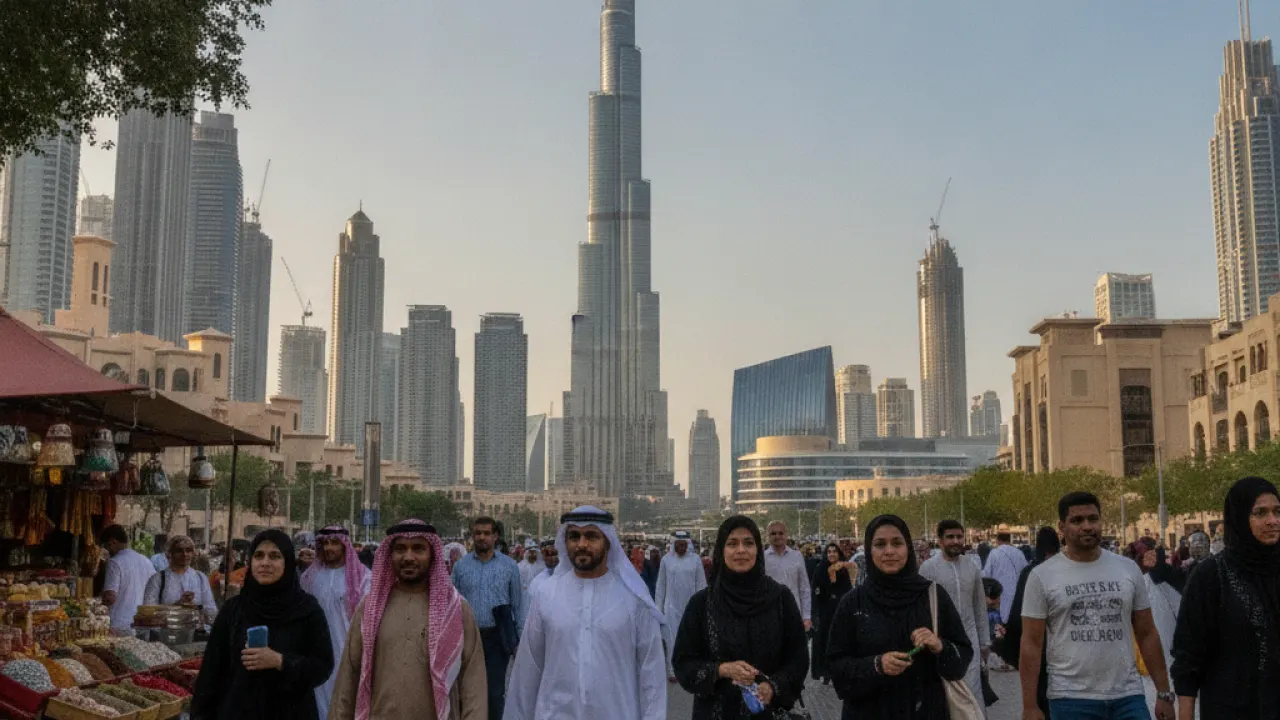
Dubai represents a different model of rapid urban growth. Rather than being driven primarily by organic population increase, Dubai has grown through deliberate policy investment in infrastructure, tourism, financial services, and property development combined with an open immigration policy for skilled workers. The city has grown from 250,000 people in 1980 to over 3.5 million today, transforming from a small Gulf trading port into a global city in less than 50 years.
Infrastructure Challenges of Rapid Urban Growth
The fa.
- Housing provision that keeps pace with population growth without creating informal settlements
- Water and sanitation infrastructure for rapidly expanding populations
- Transport systems that can move millions of workers efficiently
- School and healthcare facility provision for younger populations
- Electricity grid capacity as household consumption rises with incomes
- Waste management systems for the enormous volume produced by large populations
Economic Opportunities in Fast-Growing Cities
The fastest growing cities in the world also represent real economic opportunities. Growing consumer markets, infrastructure investment needs, and youthful populations that will drive future consumption make them attractive to international businesses seeking growth markets. Many of the fastest growing cities in Africa and Asia are already real destinations for multinational investment.
For UK businesses and professionals, these cities represent opportunities in sectors including infrastructure consulting, financial services, healthcare, education, and technology. Several UK professional services firms have established real presences in fast-growing African cities anticipating the economic growth that large populations inevitably generate over time.
Key Points Summary
Understanding the full picture around any major decision, whether about immigration, relocation, career, or finances, requires looking at the complete context rather than any single factor. The information in this guide provides a solid foundation, but specific decisions should always be verified through official sources and, where real money or legal status is involved, through a qualified professional in the relevant field.
Take your time making important decisions. The topics covered in this guide typically involve real consequences that play out over months or years. A decision made carefully after thorough research consistently produces better outcomes than one made quickly under pressure or based on incomplete information.
Connect with people who have already done what you are planning. Whether through online communities, professional associations, or social networks, first-hand experiences from people who have recently handled the same process are among the most useful resources available. They provide practical, current knowledge that complements the factual information in guides like this.
Finally, keep all your records organised from the beginning. This applies to immigration applications, financial decisions, employment changes, and any other real process discussed in this guide. A clear record of what you submitted, what was agreed, and what was decided saves time and stress if questions arise later.
Frequently Asked Questions
Readers commonly ask follow-up questions after reading guides like this one. The answers to the most common questions help you get the most complete picture before making any decisions.
How often does this information change?
The core facts in this guide are stable, but specific numbers, rules, and policies change regularly. Government policies update annually or more frequently. Always verify current figures through official sources before acting on anything specific mentioned here.
Where can I get personalised advice?
For personalised advice on immigration, seek a solicitor or OISC-regulated adviser. For financial decisions, seek an FCA-regulated financial adviser. For tax matters, seek a qualified accountant or tax adviser. General guides like this one provide useful background but cannot substitute for advice tailored to your specific situation.
Is this guide relevant to my specific circumstances?
This guide covers the general situation that applies to most people in the UK or planning to move to the UK. Individual circumstances vary. People with criminal convictions, complex visa histories, unusual employment arrangements, or other specific factors may face different rules than described here. If you have a complicated situation, professional advice is worth the cost.
How do I stay updated on changes?
Sign up to email newsletters from relevant government departments, follow GOV.UK pages relevant to your topic, and join online communities of people in similar situations. The expat and migrant communities in particular are excellent sources of current practical information because members share updates as soon as they notice changes affecting them.
Key Points Summary
Understanding the full picture around any major decision, whether about immigration, relocation, career, or finances, requires looking at the complete context rather than any single factor. The information in this guide provides a solid foundation, but specific decisions should always be verified through official sources and, where real money or legal status is involved, through a qualified professional in the relevant field.
Take your time making important decisions. The topics covered in this guide typically involve real consequences that play out over months or years. A decision made carefully after thorough research consistently produces better outcomes than one made quickly under pressure or based on incomplete information.
Connect with people who have already done what you are planning. Whether through online communities, professional associations, or social networks, first-hand experiences from people who have recently handled the same process are among the most useful resources available. They provide practical, current knowledge that complements the factual information in guides like this.
Finally, keep all your records organised from the beginning. This applies to immigration applications, financial decisions, employment changes, and any other real process discussed in this guide. A clear record of what you submitted, what was agreed, and what was decided saves time and stress if questions arise later.
Frequently Asked Questions
How often does this information change?
The core facts in this guide are stable, but specific numbers, rules, and policies change regularly. Government policies update annually or more frequently. Always verify current figures through official sources before acting on anything specific mentioned here.
Where can I get personalised advice?
For personalised advice on immigration, seek a solicitor or OISC-regulated adviser. For financial decisions, seek an FCA-regulated financial adviser. For tax matters, seek a qualified accountant or tax adviser. General guides like this one provide useful background but cannot substitute for advice tailored to your specific situation.
Is this guide relevant to my specific circumstances?
This guide covers the general situation that applies to most people in the UK or planning to move to the UK. Individual circumstances vary. People with criminal convictions, complex visa histories, unusual employment arrangements, or other specific factors may face different rules than described here. If you have a complicated situation, professional advice is worth the cost.
How do I stay updated on changes?
Sign up to email newsletters from relevant government departments, follow GOV.UK pages relevant to your topic, and join online communities of people in similar situations. The expat and migrant communities in particular are excellent sources of current practical information because members share updates as soon as they notice changes affecting them.
Additional Context and Background

Sources of information matter enormously for topics involving government rules, financial decisions, and legal matters. The most reliable sources for UK-related information are the official GOV.UK website for government rules and guidance, the NHS website for health-related information, and in financial matters, the FCA-regulated firms and advisers who are legally required to give advice that is suitable for your specific situation. For immigration matters, only OISC-regulated advisers or solicitors regulated by the Solicitors Regulation Authority can legally provide paid immigration advice in the UK.
The rules covered in this guide are correct for 2026 but will change over time. Government policy on immigration, taxation, property, and public services evolves regularly, sometimes really within a single year. Always verify the current rules before making any decision based on the information here. The GOV.UK website is updated to reflect current rules and is the definitive source for most UK-specific guidance.
Cultural context also matters when understanding topics that span countries. What seems standard in the UK may be unusual in Australia, Canada, or the UAE, and vice versa. British people who move abroad frequently report that some assumptions they held about how things work, based on UK experience, do not apply in the same way in their new country. Being open to learning how things work locally rather than expecting the UK way to be the default everywhere is one of the most useful mindsets for anyone living or working internationally.
Finally, personal networks are often more useful than any official guide. Connecting with people who have recently done what you are planning to do gives you access to practical, current knowledge that reflects real experience rather than official descriptions of how processes are supposed to work. Expat communities, professional associations, and social groups for people who have made similar moves are worth joining early in your planning process. The practical wisdom accumulated in these communities is genuinely useful and often unavailable anywhere else.
This guide has aimed to give you accurate, useful information on the topic as it stands in 2026. Use it as a starting point for your own research and decision-making rather than as the definitive final word. The most informed decisions come from combining general guides like this with your own specific research, official sources, and where approp
Have you visited or lived in any of the world fastest growing cities? What was most striking about the scale and pace of change? Share your experience in the comments below. This guide shows you how the fastest growing cities in world fits real life.
scale and pace of change? Share your experience in the comments below.One more important consideration: the information field around topics like this changes continuously. What is true in 2026 may be really different in 2027 or 2028 as governments update policies, market conditions shift, and new options emerge. Building a habit of checking official sources regularly, particularly for anything involving immigration status, financial products, or government benefits, is one of the most useful practices anyone can develop. The people who handle complex systems most successfully are typically those who combine good initial research with ongoing awareness of changes that affect their situation. This guide provides the foundation. Your ongoing engagement with reliable sources builds on that foundation over time.
Understanding this is simpler than many people expect. The key facts about fastest growing cities in world are clearly set out in official sources, and this guide summarises the most important points you need to know.
For anyone researching this, this guide provides a complete overview of the most important points. The information covers the key requirements, typical timelines, and what to expect at each stage of the process.
Understanding fastest growing cities in world in detail helps you plan ahead and avoid common mistakes. Taking
Do you have any questions about fastest growing cities in world? Leave a comment below and we will help you find the answer. Start with the basics of the fastest growing cities in world and build from there.
ong run.Do you have any questions about fastest growing cities in world? Leave a comment below and we will help you find the answer.
The fastest growing cities in world removes common barriers that stop people from starting.
Follow the fastest growing cities in world for the full period to see real results.
The fastest growing cities in world scales as you get more experienced.
Sticking to the fastest growing cities in world matters more than any single step.
The fastest growing cities in world gives you a clear structure every week.
Use the fastest growing cities in world as your base and adjust it to your level.
Many people find the fastest growing cities in world easier to follow than complex alternatives.
Results from the fastest growing cities in world come from repetition, not perfection.
Keep the fastest growing cities in world simple and focus on showing up consistently.
The fastest growing cities in world works when you follow it consistently.
This guide shows you how the fastest growing cities in world fits real life.
Start with the basics of the fastest growing cities in world and build from there.
The fastest growing cities in world removes common barriers that stop people from starting.
Follow the fastest growing cities in world for the full period to see real results.
The fastest growing cities in world scales as you get more experienced.
Sticking to the fastest growing cities in world matters more than any single step.
The fastest growing cities in world gives you a clear structure every week.
Use the fastest growing cities in world as your base and adjust it to your level.
Many people find the fastest growing cities in world easier to follow than complex alternatives.
Results from the fastest growing cities in world come from repetition, not perfection.
Keep the fastest growing cities in world simple and focus on showing up consistently.
The fastest growing cities in world works when you follow it consistently.
This guide shows you how the fastest growing cities in world fits real life.
Start with the basics of the fastest growing cities in world and build from there.
The fastest growing cities in world removes common barriers that stop people from starting.
Follow the fastest growing cities in world for the full period to see real results.
The fastest growing cities in world scales as you get more experienced.
Sticking to the fastest growing cities in world matters more than any single step.
The fastest growing cities in world gives you a clear structure every week.
Use the fastest growing cities in world as your base and adjust it to your level.
Many people find the fastest growing cities in world easier to follow than complex alternatives.
Results from the fastest growing cities in world come from repetition, not perfection.