

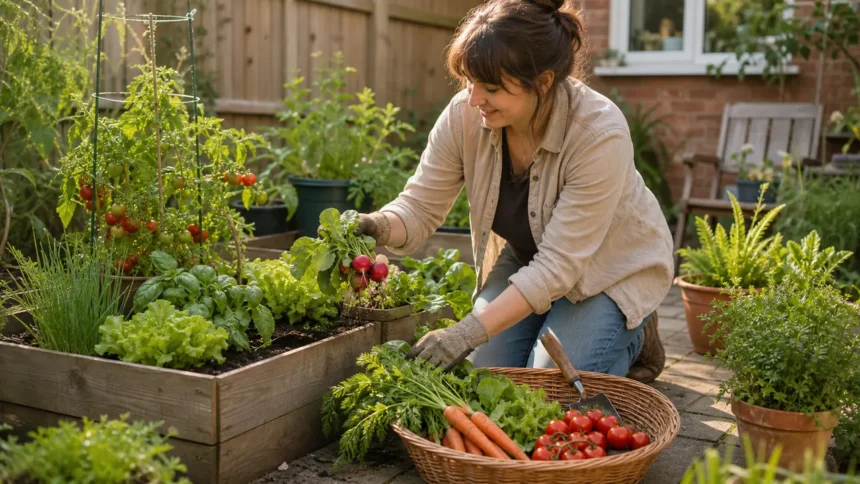
Easy vegetables to grow at home are the best place to start if you want fresh food without a stressful garden project. You do not need a large plot, expensive tools or perfect weather. You need the right crops, good light, steady watering and a little patience.
This guide covers easy vegetables to grow at home for first-time gardeners. It explains what to plant first, what works in pots, how to avoid common mistakes and how to keep harvesting through the season.
Easy Vegetables to Grow at Home Start Here
The easiest crops are forgiving. They sprout quickly, cope with small spaces and give you something to pick before you lose interest. Easy vegetables to grow at home are usually salad leaves, radishes, herbs, spring onions, beans, courgettes and compact tomatoes.
Start small. A few pots or one raised bed is better than a large patch that becomes too much work. Beginners often fail because they plant too many crops at once, then cannot keep up with watering, thinning, feeding and harvesting.
For a first attempt, choose three crops. Pick one leafy crop, one root crop and one fruiting crop. For example, lettuce, radishes and dwarf tomatoes make a simple mix. You get quick leaves, fast roots and a longer-season plant to watch.
Easy vegetables to grow at home still need the basics:
- Light for at least several hours a day.
- Drainage so roots do not sit in soggy compost.
- Steady watering especially in pots and grow bags.
- Good compost for containers or improved soil for beds.
- Room so plants are not crowded from the start.
- Harvesting at the right time before crops turn tough or bolt.
If you are brand new, our guide to gardening for beginners explains the wider basics of soil, timing and first plants.
Best Vegetables for Pots and Small Spaces
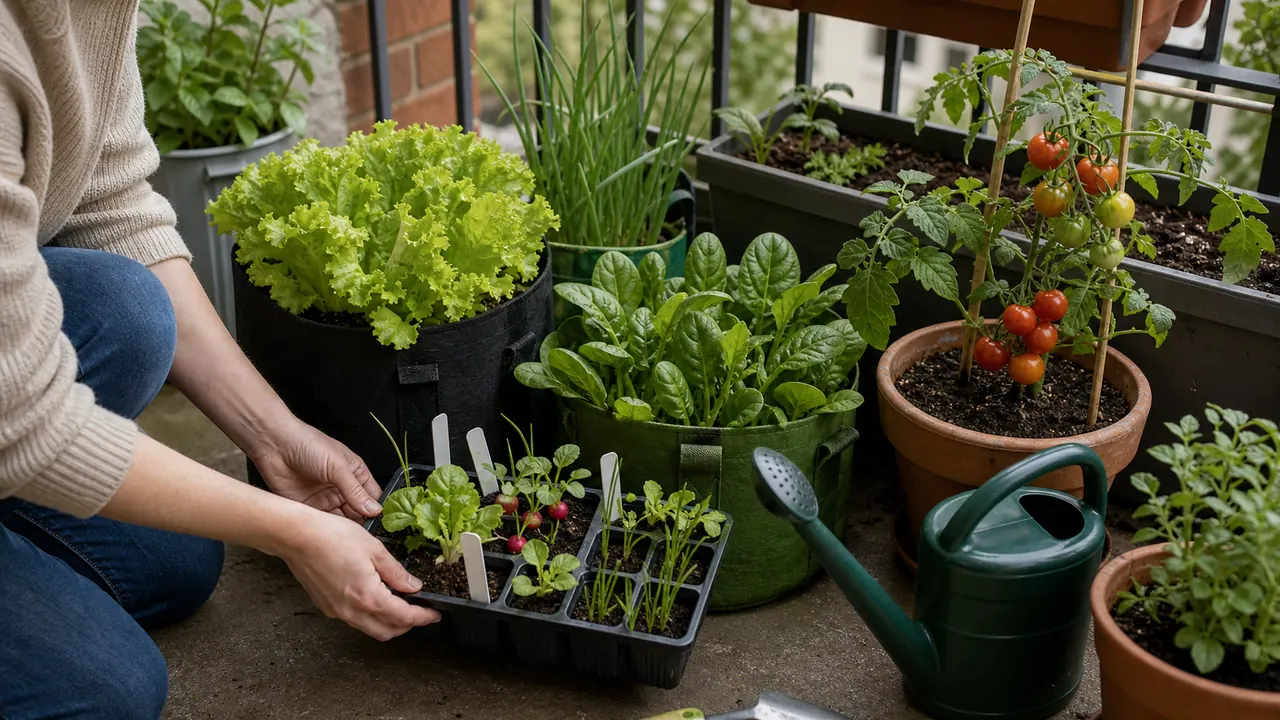
Many easy vegetables to grow at home do well in pots. This is good news if you only have a balcony, doorstep, patio or rented garden. Containers also let you move crops into better light and control the compost more easily.
Good container crops include:
- Lettuce in shallow trays, window boxes or wide pots.
- Spinach in pots that hold moisture well.
- Radishes in containers with loose compost.
- Spring onions in narrow troughs or recycled tubs.
- Herbs such as parsley, basil, coriander and chives.
- Dwarf tomatoes in deep pots or grow bags.
- Peas with short supports or netting.
Use containers with drainage holes. If water cannot escape, roots can rot. Raise pots slightly on feet, bricks or a tray with drainage space. This simple step prevents many beginner problems with easy vegetables to grow at home.
Easy vegetables to grow at home in containers need more watering than plants in the ground. Pots dry quickly in wind and sun. Check compost with a finger. If the top feels dry and the pot feels light, water slowly until moisture reaches the roots.
Do not use tiny pots for large plants. A tomato, courgette or bean plant needs more root space than lettuce. If the pot is too small, the plant dries out, stops growing and becomes stressed.
Leafy Greens That Forgive Beginners
Leafy greens are some of the easiest vegetables to grow at home because they grow quickly and let you harvest small amounts often. You do not need to wait for one perfect crop. You can pick outer leaves and let the centre keep growing.
Start with loose-leaf lettuce, spinach, rocket, kale or pak choi. These crops suit raised beds, containers and window boxes. They like steady moisture and cooler conditions. Easy vegetables to grow at home can bolt in hot weather, which means they send up flowers and turn bitter.
To make leafy greens easier, sow a small amount every two or three weeks. This is called succession sowing. It stops you having too much lettuce at once and gives you new young plants as older ones slow down.
Easy vegetables to grow at home should fit your meals. If you eat salads, plant lettuce and rocket. If you cook soups or stir-fries, plant spinach, kale or pak choi. A crop you actually eat is easier to care about.
Pick leaves in the morning if you can. They are usually fresher before hot sun. Use scissors or pinch carefully so you do not pull up the whole plant. Keep the soil moist after harvesting so new growth can continue.
Fast Root Crops for First Harvests
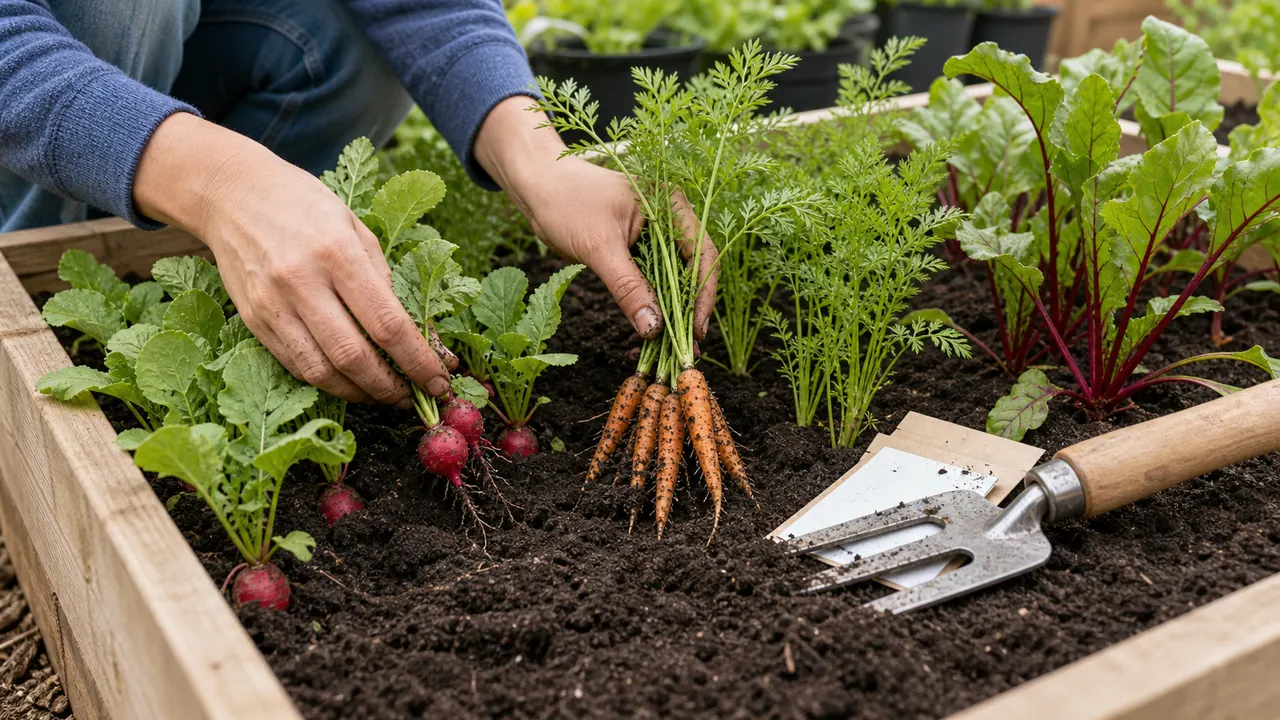
Radishes are one of the best easy vegetables to grow at home because they are fast. Some are ready in about a month when conditions are good. They also teach useful gardening skills: sowing thinly, watering evenly and harvesting on time.
Carrots can be easy if you choose short or baby varieties and give them loose soil. Long carrots struggle in stony or heavy soil. If your soil is poor, grow short carrots in a deep container instead. Easy vegetables to grow at home are much less frustrating when matched to your soil.
Beetroot is another good beginner crop. It grows in beds or containers and gives you edible leaves as well as roots. Pick small roots when they are tender rather than waiting for giant ones.
Root crops need space underground. If seedlings come up too close together, thin them. This means removing some small plants so the rest can grow properly. It feels wasteful at first, but crowded roots stay tiny.
Easy vegetables to grow at home can still fail if watering is uneven. Radishes can turn woody. Carrots can split. Beetroot can slow down. Aim for steady moisture instead of long dry spells followed by heavy watering.
Herbs and Salad Crops Near the Kitchen
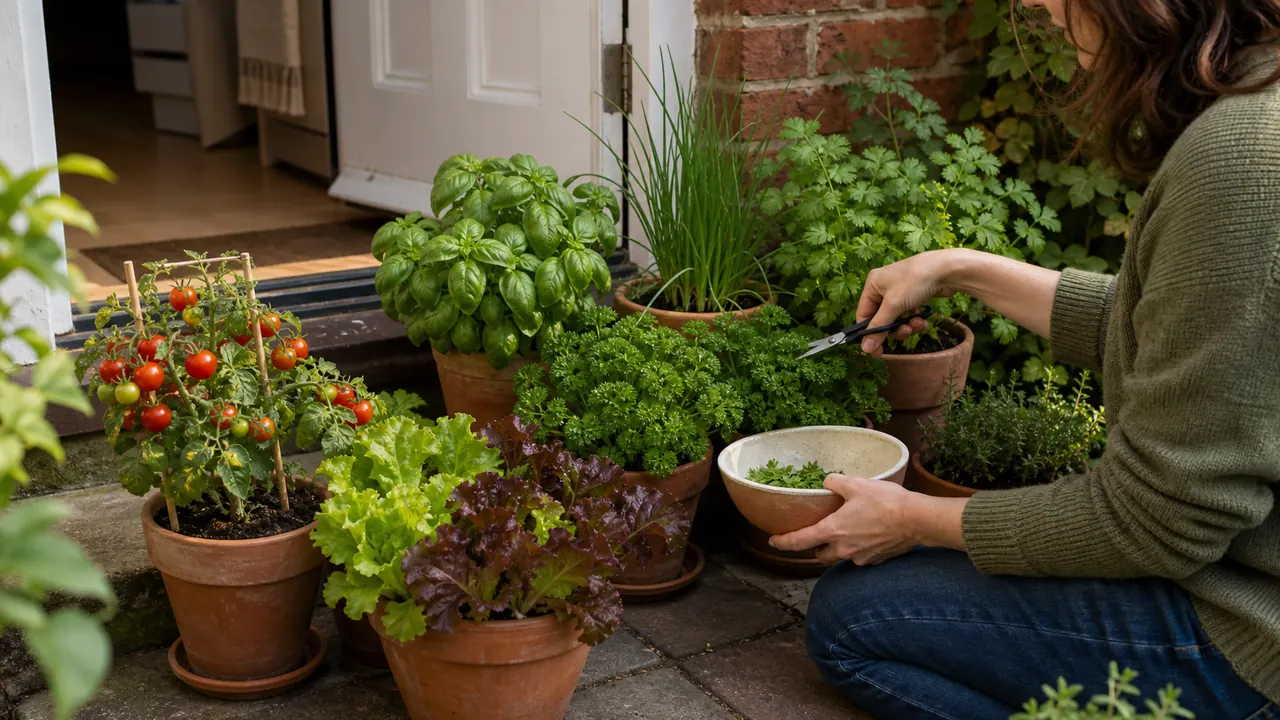
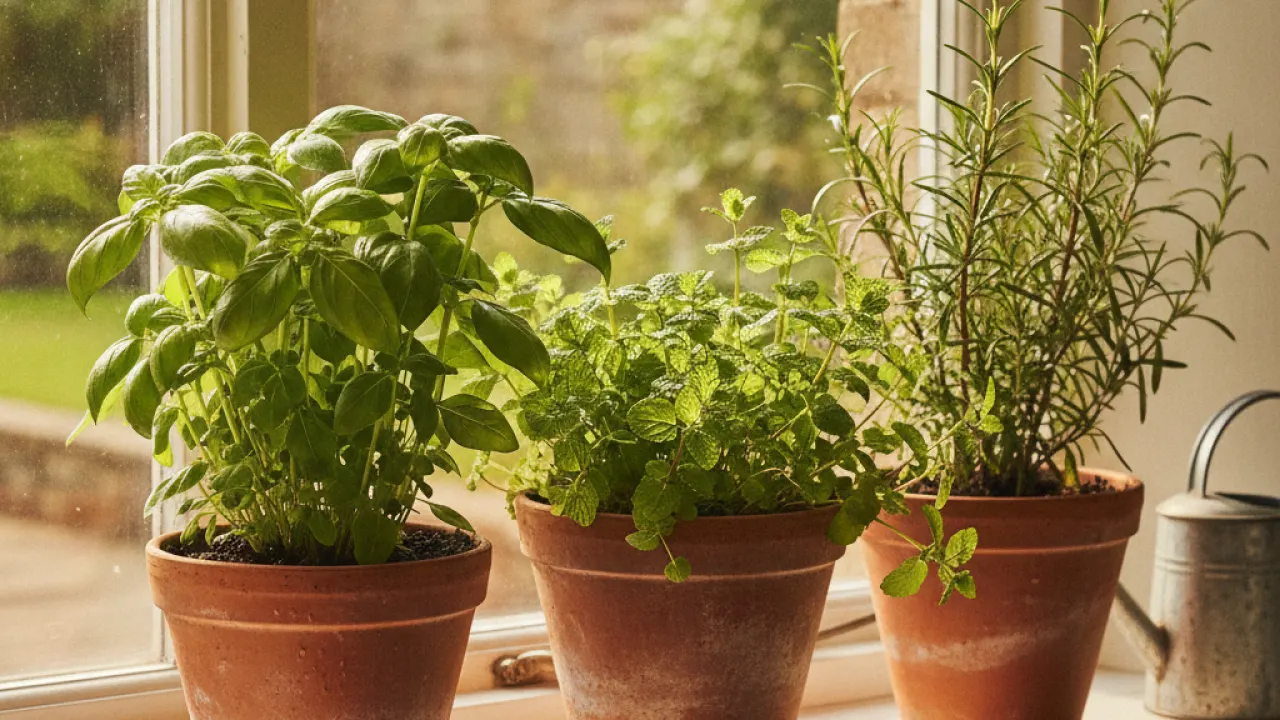
Herbs are not always counted as vegetables, but they belong in a beginner food garden. They make home-grown meals feel useful even when your bigger crops are still growing. Easy vegetables to grow at home feel more rewarding when herbs are close to the kitchen.
Good beginner herbs include chives, parsley, mint, basil and coriander. Mint should usually stay in a pot because it can spread strongly. Basil likes warmth. Coriander can bolt in heat, so sow small batches often.
Easy vegetables to grow at home work better when they are visible. A pot by the kitchen door gets noticed. A forgotten tray at the far end of the garden dries out. Put herbs and salad leaves where you will see them every day.
Snip herbs regularly. Light picking encourages fresh growth. Do not strip a young plant bare. Take a little, let it recover and keep watering.
If you want a larger growing plan, our guide on how to start a vegetable garden from scratch walks through beds, layout and first steps.
Beans Tomatoes and Courgettes
Once you have quick crops going, add one or two larger plants. Beans, tomatoes and courgettes are easy vegetables to grow at home when they have enough sun, water and space.
Dwarf French beans are easier than tall climbing beans if you have little space. They grow fast, crop well and do not need huge supports. Pick pods while they are young and tender. Regular picking encourages more beans.
Tomatoes need sun and steady watering. Choose compact bush types for pots. Feed once flowers and fruit start forming if your compost is running out of nutrients. Do not let pots swing from dry to soaked, because that can cause problems.
Courgettes need more room, but one healthy plant can crop heavily. Grow one plant, not five, unless you have a big family. Pick courgettes small and often. Large courgettes can slow the plant and taste watery.
Easy vegetables to grow at home should not become a burden. One tomato, one bean pot and one courgette plant can teach you more than a crowded jungle of plants you cannot manage.
Eight Easy Vegetables to Try First
If you want a simple shopping list, start with these eight easy vegetables to grow at home. You do not need to plant all of them at once. Pick two or three now, then add more after your first harvest.
1. Lettuce is quick, useful and forgiving. Loose-leaf types are best for beginners because you can pick a few leaves at a time. Sow thinly in trays, pots or a raised bed, then keep the compost moist.
2. Radishes are fast and satisfying. They are easy vegetables to grow at home because they show results quickly. Sow a short row, thin crowded seedlings and harvest while the roots are still young.
3. Spring onions need little space and suit containers. They grow slowly but steadily, and you can use them in salads, stir-fries and soups. Keep weeds away because young spring onions do not like competition.
4. Spinach gives useful leaves for salads and cooking. It prefers cooler weather and steady watering. Sow small batches so you always have young plants coming on.
5. Dwarf French beans are good after the weather warms. They do not need huge supports, and picking pods often keeps the plant cropping. Give them sun and do not let pots dry out.
6. Cherry tomatoes are slower than salad leaves but exciting for beginners. Choose compact bush types if you are growing in pots. Water regularly and feed once fruit starts forming.
7. Courgettes need room, but one plant can give plenty of food. Plant only one if space is tight. Pick fruits small and check often because courgettes grow fast.
8. Herbs such as parsley, chives and basil make small harvests feel useful. They are easy vegetables to grow at home companions because they fit beside salad crops and get used often.
This list works because it mixes fast crops and longer crops. Lettuce and radishes keep you motivated. Tomatoes, beans and courgettes teach you how bigger plants behave. Herbs fill the gaps and make the garden feel useful every week.
Watering Feeding and Simple Care
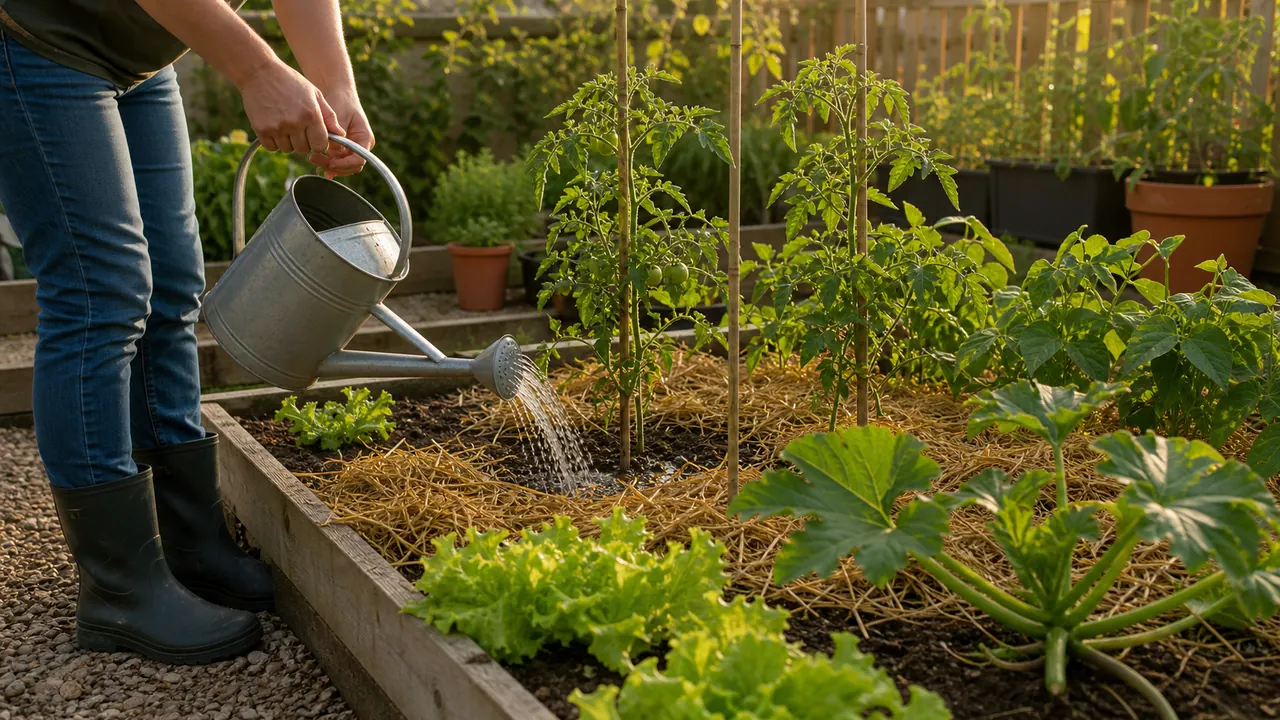
Watering is where many beginner gardens succeed or fail. Easy vegetables to grow at home need steady moisture, not random soaking. Plants in pots are especially dependent on you because their roots cannot search far for water.
Water the soil around the plant, not the leaves. This sends moisture to the roots and can reduce leaf problems. Water slowly so it soaks in rather than running off the surface.
Mulch can help. A light layer of straw, compost, leaf mould or fine bark around plants keeps soil cooler and reduces drying. Keep mulch away from tiny stems so they do not rot.
Feeding depends on the crop. Leafy crops often do well in good compost for a short season. Tomatoes, courgettes and beans may need feeding once they start flowering and cropping. Follow the feed instructions and do not overdo it.
Check plants often. Look for wilting, yellow leaves, slug damage, aphids, dry compost and crowded seedlings. A two-minute daily check is easier than rescuing a neglected garden once a week.
Pests and Problems for New Growers
Easy vegetables to grow at home still attract pests. Slugs may chew lettuce. Aphids may gather on soft new growth. Birds may pull seedlings. None of this means you have failed.
Check plants in the morning or evening. Pick off slugs when you see them, use barriers around young plants and keep the area tidy. For aphids, a gentle spray of water or careful wiping can help on small plants.
Yellow leaves can mean too much water, too little food, cold weather or natural ageing. Look at the whole plant before reacting. One yellow leaf is not an emergency. A plant wilting every afternoon may need a bigger pot, more shade or steadier watering.
The best defence is healthy growth. Give plants enough light, space and water. Crowded, stressed plants struggle more. Easy vegetables to grow at home become easier when you prevent stress before pests arrive.
Simple Planting Calendar for Beginners
The best time to plant depends on your local weather, but a simple plan helps. Easy vegetables to grow at home can be spread through the season so you always have something small to do.
In early spring, start lettuce, spinach, radishes, spring onions and hardy herbs. In late spring, add beans, courgettes and tomatoes once frost risk has passed. In summer, keep sowing salad leaves in small batches and water pots carefully.
In late summer, sow more spinach, lettuce, rocket and radishes for cooler weather. In autumn, clear tired plants, add compost and plan what worked best. Do not judge your whole garden by one failed crop.
For a deeper seasonal plan, read our complete beginner vegetable garden guide. It gives more detail on beds, compost and crop planning.
The Royal Horticultural Society guidance on growing vegetables is useful when you want crop-specific care notes.
Common Mistakes With Beginner Vegetables
Most beginner mistakes are easy to fix. The biggest one is planting too much. Easy vegetables to grow at home become difficult when every pot needs watering and every bed is overcrowded.
Avoid these mistakes:
- Starting too many seeds before you know where they will go.
- Using pots with no drainage and drowning the roots.
- Letting seedlings crowd until none grow well.
- Watering leaves only instead of the soil.
- Ignoring light and placing vegetables in deep shade.
- Waiting too long to harvest so crops turn tough or bitter.
- Expecting perfection from a first season.
Keep notes. Write down what you sowed, where it grew and what happened. Your second season becomes easier because you are learning from your own garden, not guessing again.
Frequently Asked Questions
What are the easiest vegetables to grow at home?
Loose-leaf lettuce, radishes, spring onions, spinach, herbs, dwarf beans and compact tomatoes are some of the easiest vegetables to grow at home. They suit small spaces and give beginners quick feedback.
Can I grow vegetables without a garden?
Yes. Many easy vegetables to grow at home work in pots, trays, grow bags and window boxes. Choose crops with shallow roots or compact growth, and keep watering steady.
What should I plant first as a beginner?
Start with lettuce, radishes and herbs. They grow quickly, need simple care and give you confidence before you add tomatoes, beans or courgettes.
How much sun do vegetables need?
Many vegetables prefer several hours of sun each day. Leafy greens can cope with a little shade, while tomatoes, beans and courgettes need more light to crop well.
Why did my vegetables grow leaves but no harvest?
Common reasons include not enough light, too much nitrogen feed, overcrowding, poor pollination, irregular watering or harvesting too late. Check one issue at a time rather than changing everything.
Final Check Before You Plant
Easy vegetables to grow at home should make gardening feel possible. Start with a few crops, keep them close, water steadily and harvest young. You can add more once the first batch feels manageable.
Your first garden does not need to be perfect. It needs to teach you what your space, light and routine can support.
Which crop are you planting first: lettuce, radishes, herbs, tomatoes, beans or courgettes?