

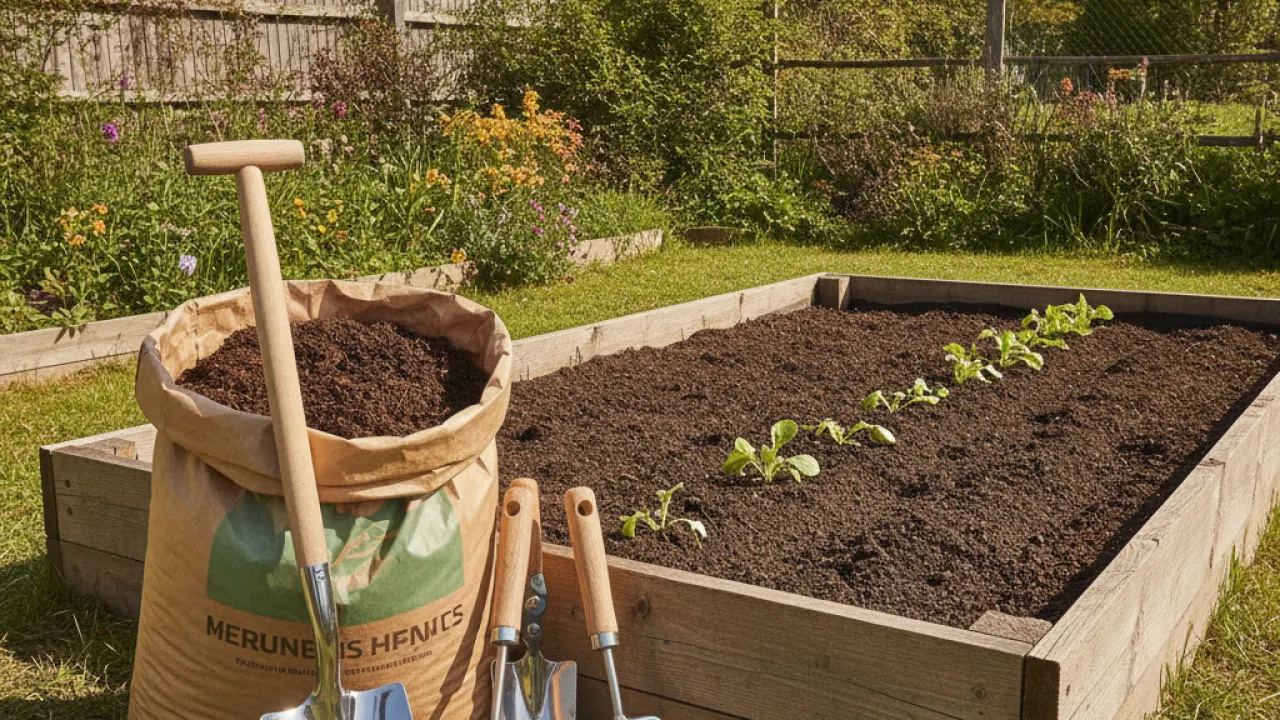
You don’t need experience to start a vegetable garden. You need a bit of ground or a container, some compost, and the right plants. That’s it. For more background, see Wikipedia reference.
This guide covers what you actually need, what you can skip, and how to get growing without wasting time or money.
Is Growing From Scratch Really Possible With No Experience?
Yes, and it’s more common than people think. Most experienced gardeners started knowing nothing. They learned by doing, by making mistakes, and by growing a bit more each year.
The idea that gardening is complicated or requires special knowledge puts a lot of people off. It doesn’t have to be. Vegetables want to grow. They’ve been growing in gardens, fields, and wild spaces for thousands of years without any human help at all.
What you’re doing is giving them a good start. A decent spot, some food, and water. The plants do the rest.
Common worries that aren’t worth worrying about:
- Not having a big garden. A container on a patio is enough to start.
- Not having green fingers. This is not a real thing. It’s just practice.
- Killing plants. You will. Everyone does. You learn and try again.
- Getting the timing wrong. Most seeds are more forgiving than the packets suggest.
- Not knowing the right techniques. The basics cover 90% of what you need.
- Spending too much money. You don’t have to spend much to get started.
What You Actually Need to Get Started
Before you spend anything, it’s worth knowing what you actually need versus what gardening shops would like you to buy.
The Essentials
You need four things to grow vegetables from scratch:
- A growing space. This can be a patch of ground, a raised bed, or containers.
- Good compost or soil. This is where your money is best spent.
- Seeds or young plants. Seeds are cheap. Young plants save time.
- Water. Vegetables need regular water, especially in dry weather.
Everything else is useful but not essential, at least not in your first year.
Tools You Actually Use
You don’t need a full tool set. If you’re starting very small, you might get away with just a hand trowel and a watering can. For a proper garden bed, add a spade and a fork.
Tools worth buying for a new garden:
- Hand trowel for planting and moving small amounts of soil
- Spade for digging and turning ground beds
- Fork for breaking up clumps and lifting root veg
- Watering can or hose with a gentle rose head attachment
- Gloves to protect your hands
- Plant labels so you know what you planted where
- Kneeling mat if you have bad knees or a bad back
- Bamboo canes for supporting climbing plants like tomatoes and beans
Buy the cheapest tools that feel comfortable in your hands. Don’t buy expensive tools until you know you’ll keep gardening. Once you’re sure you’ll stick with it, invest in better quality.
What You Can Skip
A lot of products are marketed at new gardeners who don’t know what they actually need. Things you don’t need in your first year include: a greenhouse, a polytunnel, fancy seed-starting kits, propagation heat mats (unless starting seeds in winter), most gadgets, and expensive brand-name fertilisers.
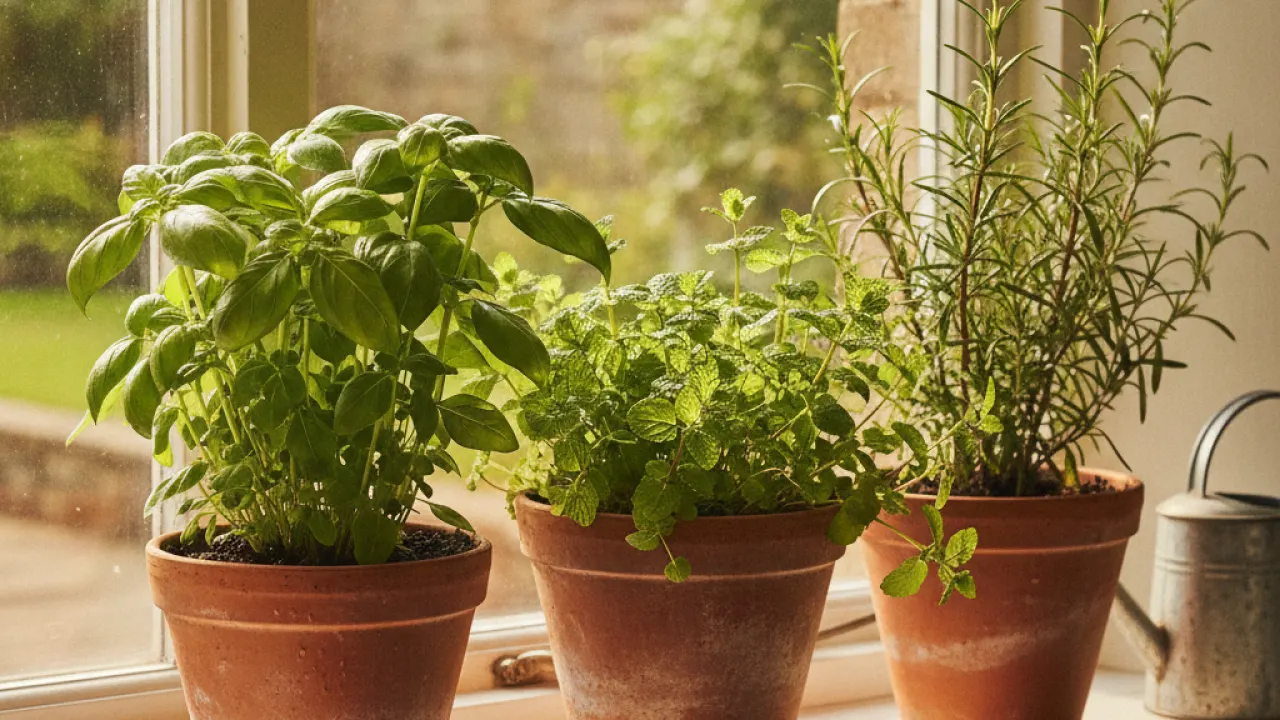
A sunny windowsill works fine for starting seeds. Cheap compost from a supermarket works. Simple liquid tomato feed works for most vegetables once fruiting starts.
Choosing Where to Grow
Your growing space determines a lot. The key requirement is sun. Most vegetables need at least 6 hours of direct sun each day.
Ground Beds
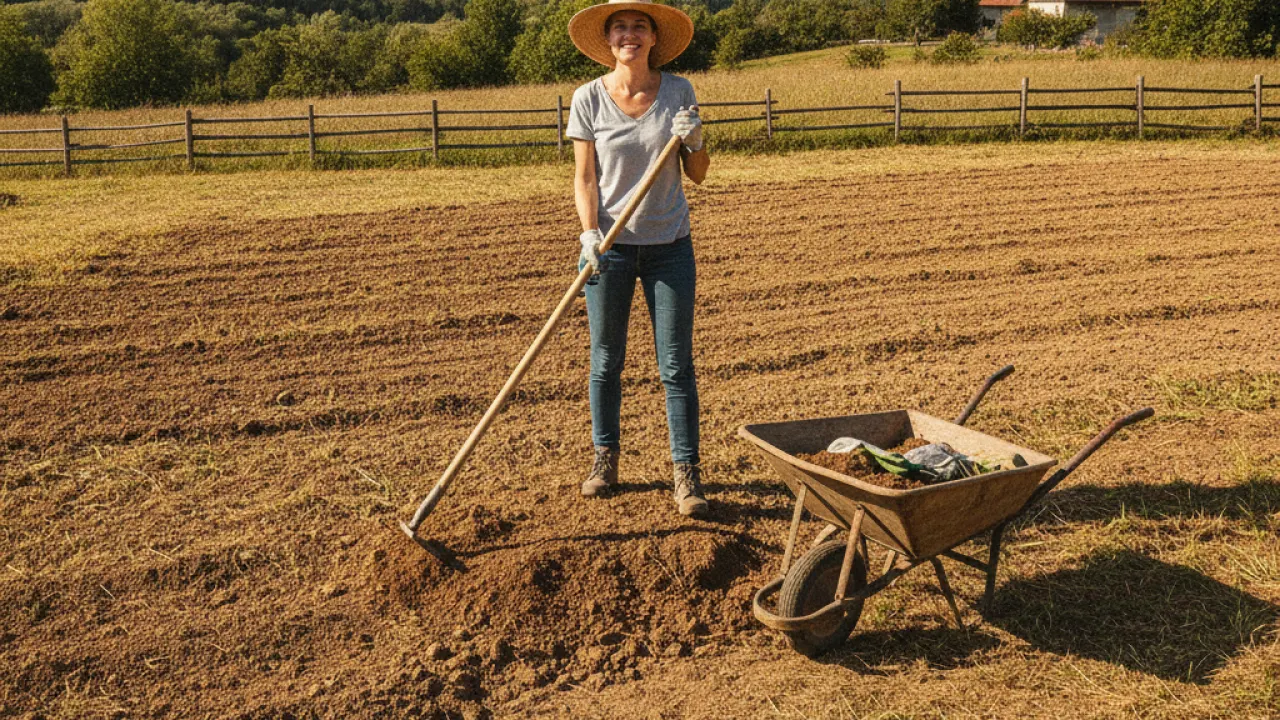
Digging a patch of your existing garden is the cheapest option. You need to remove turf and weeds, improve the soil with compost, and then you’re ready to plant.
The downside of ground beds is that the soil quality varies. Some gardens have great soil. Others have heavy clay, builders’ rubble, or very thin topsoil. If you’re not sure what you’ve got, dig a hole about 30cm deep and look. Dark, crumbly soil is good. Yellow-grey clay or compacted hard earth means you have work to do before you can grow much.
Raised Beds
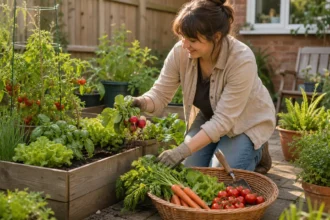
A raised bed is a frame on the ground that you fill with good soil and compost. It costs a bit more to set up, but it gives you full control of what you grow in.
Advantages of raised beds:
- You control the soil quality completely
- They drain better than most ground beds
- They warm up faster in spring so you can plant earlier
- They’re easier to weed with clear edges
- Fewer slugs reach plants compared to ground level
- You can build them anywhere including on concrete or tarmac
- They look tidy which matters if your garden is visible from the house
A standard raised bed is 1.2m wide. This lets you reach the middle from either side without standing on the soil. Length can be whatever fits your space. 1.2m by 2.4m is a good starter size.
Containers
If you have no garden at all, containers on a patio, balcony, or even a doorstep work well for a range of vegetables. Tomatoes, lettuce, herbs, radishes, spring onions, French beans, and peppers all grow successfully in large pots.
Use the biggest containers you can find. Small pots dry out fast and restrict root growth. A large bucket or a 30-litre pot is the minimum for tomatoes or courgettes. Fill them with good-quality multipurpose compost and water every day in summer.
Which Vegetables to Plant First
When you’re starting from scratch, resist the temptation to grow everything. Pick a few easy crops that give you results quickly. Early success keeps you motivated.
The Best Vegetables for a First Garden
These vegetables are reliable, fast, and don’t need special conditions:
- Radishes are the fastest vegetable you can grow. Some varieties are ready in 3 weeks. Sow directly in the ground and thin to 3cm apart.
- Lettuce and salad leaves grow quickly and you can harvest outer leaves while the plant keeps growing. A cut-and-come-again mix gives you salad for weeks from one sowing.
- Courgettes are extremely productive. One plant can produce 20 or more courgettes through summer. Don’t plant too many.
- Cherry tomatoes are easier than large tomatoes. Varieties like Gardener’s Delight and Sungold are reliable outdoors in most UK summers.
- French beans grow quickly from seed. Sow directly after the last frost and they’ll be producing in about 8 weeks.
- Peas are satisfying to grow and can be sown directly in spring. Kids love picking them.
- Spring onions need almost no space and are ready to pull in about 8 weeks from sowing.
- Beetroot is forgiving and grows in most conditions. Sow directly and thin to 10cm apart once they’re a few centimetres tall.
- Spinach grows fast and tolerates partial shade better than most vegetables.
- Kale is very tough. Once established it can cope with drought, cold, and neglect.
What to Avoid in Year One
Some vegetables are worth growing once you have a bit of experience. In your first year, skip these:
- Cauliflower is fussy about temperature and goes wrong easily
- Celeriac needs a very long growing season and consistent watering
- Asparagus takes 2 to 3 years to produce its first proper harvest
- Artichokes need a lot of space and time before they crop well
See also: how to start a vegetable garden and easy vegetables.
Preparing the Ground
You can’t just dig a hole and drop seeds in. A bit of preparation now saves you a lot of frustration later.
Clearing the Area
If you’re starting on grass or weedy ground, you need to clear it. There are two main ways to do this.
The first is to dig everything over. Remove turf and pull out weed roots. This is hard work but gives you immediate access to the soil.
The second is to lay cardboard over the area and cover it with 10 to 15cm of compost. The cardboard kills the grass and weeds underneath over a few months. This is known as no-dig gardening. It’s easier on your body and doesn’t disturb worm populations in the existing soil.
Improving the Soil
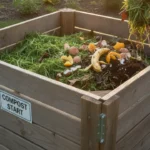
Whatever method you use, add compost. Lots of it. A 10cm layer mixed into the top 30cm of soil makes a real difference to how well your plants grow.
You can use:
- Bagged multipurpose compost from any garden centre or supermarket
- Garden compost if you’ve been making your own
- Well-rotted horse or cow manure from farms, stables, or garden centres
- Spent mushroom compost which is a good cheap option in many areas
You don’t need to add fertiliser before planting. If you’ve added compost, there should be enough food for your plants to get established. Add liquid feed once plants are growing and starting to flower.
Planting Out: What to Do and When
Seeds can go straight in the ground, or you can buy young plants from a garden centre or online. Both approaches work. Here’s what to know about each.
Direct Sowing
Direct sowing means putting seeds straight into the ground where they’ll grow. It’s cheaper and less time-consuming than starting seeds indoors.
For direct sowing, make a shallow groove in the soil with a stick or the edge of your trowel. Drop seeds in at the spacing shown on the packet. Cover lightly with soil, water gently, and wait.
Keep the surface moist until seedlings appear. Once they’re a few centimetres tall, thin them out to the recommended spacing by pulling out the extras. It feels wasteful, but crowded seedlings don’t perform well.
Starting Seeds Indoors
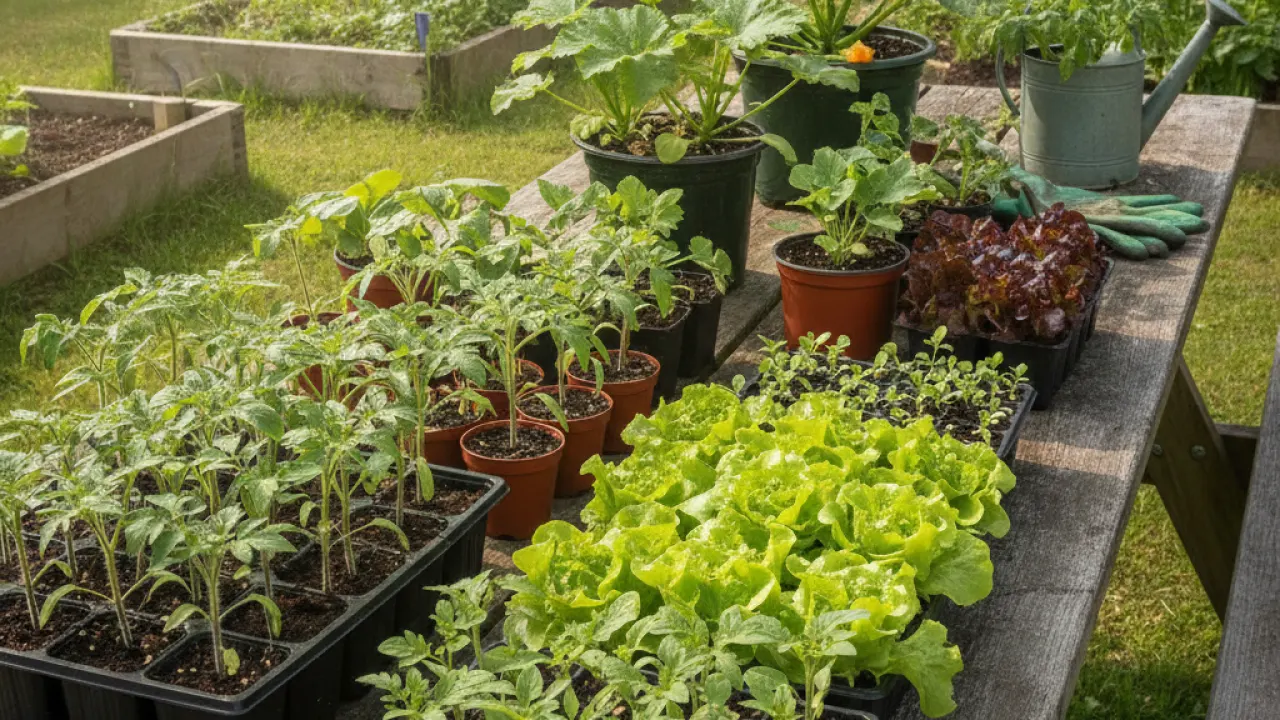
Some vegetables need a longer growing season than the UK summer provides. Tomatoes, peppers, and courgettes need to be started indoors in March or April and planted out after the last frost in May.
You need a warm spot to germinate seeds, around 18 to 22 degrees. A warm windowsill works. Then seedlings need lots of light to avoid getting leggy and weak.
Once seedlings have two sets of true leaves, move them to individual small pots. Harden them off before planting outside by leaving them in a sheltered outdoor spot for a few hours each day for 7 to 10 days.
Buying Young Plants
If you don’t want to start from seed, buy young plants from a garden centre in May or June. This is the easiest route for beginners. The germination work is already done, and you just need to plant them out and keep them watered.
The downside is cost. Young plants are much more expensive than seeds. But for your first year, the simplicity is worth it.
Watering: How Much Is Enough?
Underwatering kills plants. So does overwatering. Learning how much to water is one of the key skills of vegetable growing.
The Finger Test
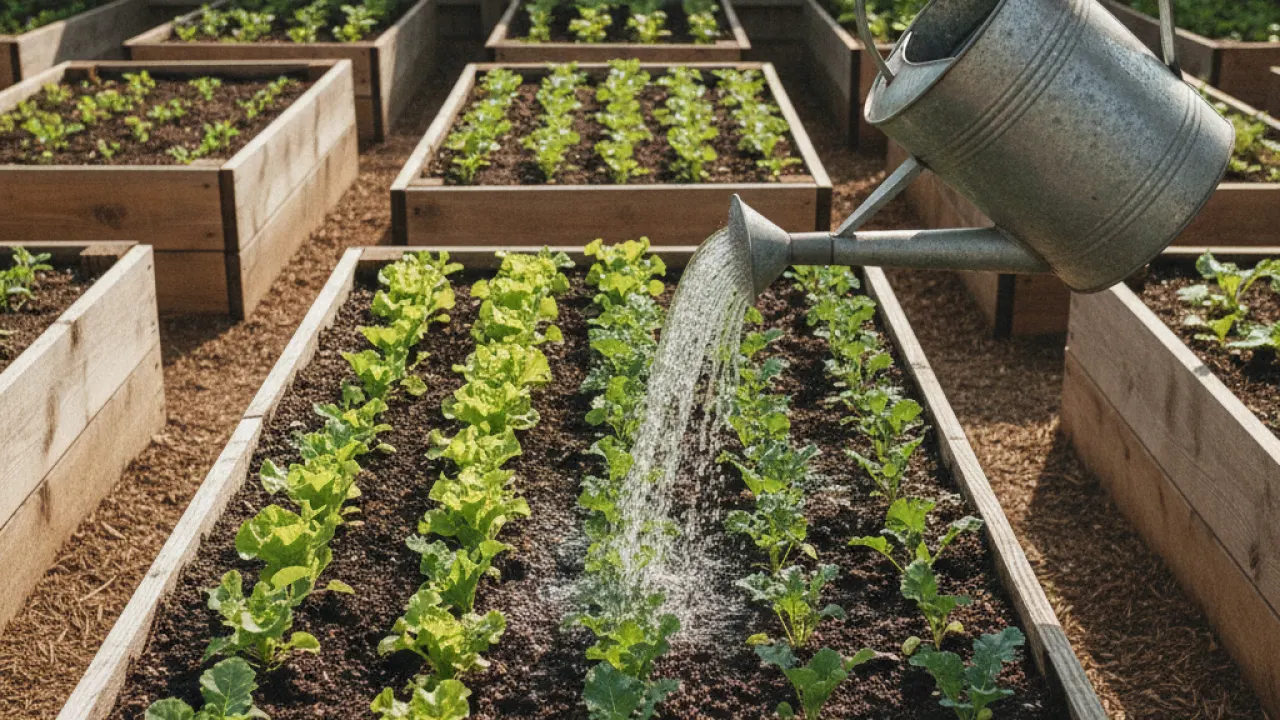
Before watering, push your finger into the soil up to your first knuckle, about 2cm. If it feels dry at that depth, it’s time to water. If it still feels moist, leave it another day. This simple check takes 2 seconds and tells you exactly what you need to know.
How to Water Well
Water at the base of plants, not over the leaves. Wet leaves encourage fungal disease. Water slowly and deeply so it soaks in rather than running off the surface.
Early morning is the best time to water. The soil absorbs it before the heat of the day causes evaporation. Evening watering works too, but wet leaves overnight can lead to disease.
In hot dry weather, raised beds and containers may need watering every day. Ground beds generally hold moisture better and may only need watering every 2 to 3 days.
Keeping on Top of Weeds
Weeds compete with your vegetables for water, light, and nutrients. A bed neglected for 3 weeks can go from tidy to overrun.
The easiest approach is to weed little and often. Spend 10 minutes in the garden every 2 to 3 days. This takes care of weeds while they’re small and easy to pull. Large weeds with established roots are much harder to remove.
Mulching Reduces Weed Work
Mulch is a layer of material laid on the soil surface between plants. It blocks light, which stops weed seeds germinating. It also retains moisture, which means you water less.
Good mulching materials include straw, bark chips, and compost. Lay a 5cm layer between plants and refresh it each year.
Common Problems and What to Do
Every vegetable garden has problems. Knowing what to look for helps you catch things early before they get worse.
Slugs and Snails
The most common problem for new gardeners. They eat seedlings at night, often leaving nothing but a slime trail. Protect young plants with copper tape around pots, wildlife-friendly slug pellets, or by going out at night and removing slugs by hand.
Yellowing Leaves
Yellow leaves usually mean one of three things: overwatering, underwatering, or a lack of nutrients. Check the soil moisture first. If watering is fine, give the plant a liquid feed. If only the lowest leaves are yellow, this is often normal as the plant grows upward.
Plants Not Growing
If plants seem stuck and aren’t growing, it’s usually a nutrient or light problem. Add a balanced liquid feed and make sure they’re getting enough sun. Cold weather in early spring also slows growth significantly.
No Fruit on Tomatoes or Courgettes
If you have lots of flowers but no fruit, pollination might be the issue. Open the greenhouse or cold frame windows on warm days to let insects in. You can also hand-pollinate by using a small paintbrush to transfer pollen between flowers.
Making Your Garden Productive Without Working Too Hard
The best vegetable gardens are the ones people actually maintain. Don’t set up something so big that it becomes a chore.
Succession Sowing
Instead of sowing all your seeds at once, sow small amounts every 2 to 3 weeks. This spreads your harvest over a longer period instead of giving you 50 lettuces all at once. Succession sowing works well with lettuce, radishes, spring onions, and spinach.
Growing What You Actually Eat
It sounds obvious, but grow things you’ll actually use. If you don’t eat courgettes, don’t grow them. If you make a lot of salads, prioritise lettuce and tomatoes. A garden full of things you like to eat is more motivating than one full of things you thought you should grow.
Keeping Records
Write down what you planted, when you planted it, and what happened. Note which varieties performed well and which were disappointing. Record when harvests started and finished. A simple notebook is enough.
Next year you’ll have real data to work with rather than guessing. Your garden will improve every year you do this.
What Happens in the First Year
Here’s an honest account of what most first-year vegetable gardens are like.
Things will go wrong. Seeds won’t germinate. Plants will get eaten. Something will bolt and go to seed before you can eat it. You’ll be overwhelmed with courgettes for three weeks and then they’ll all end at once.
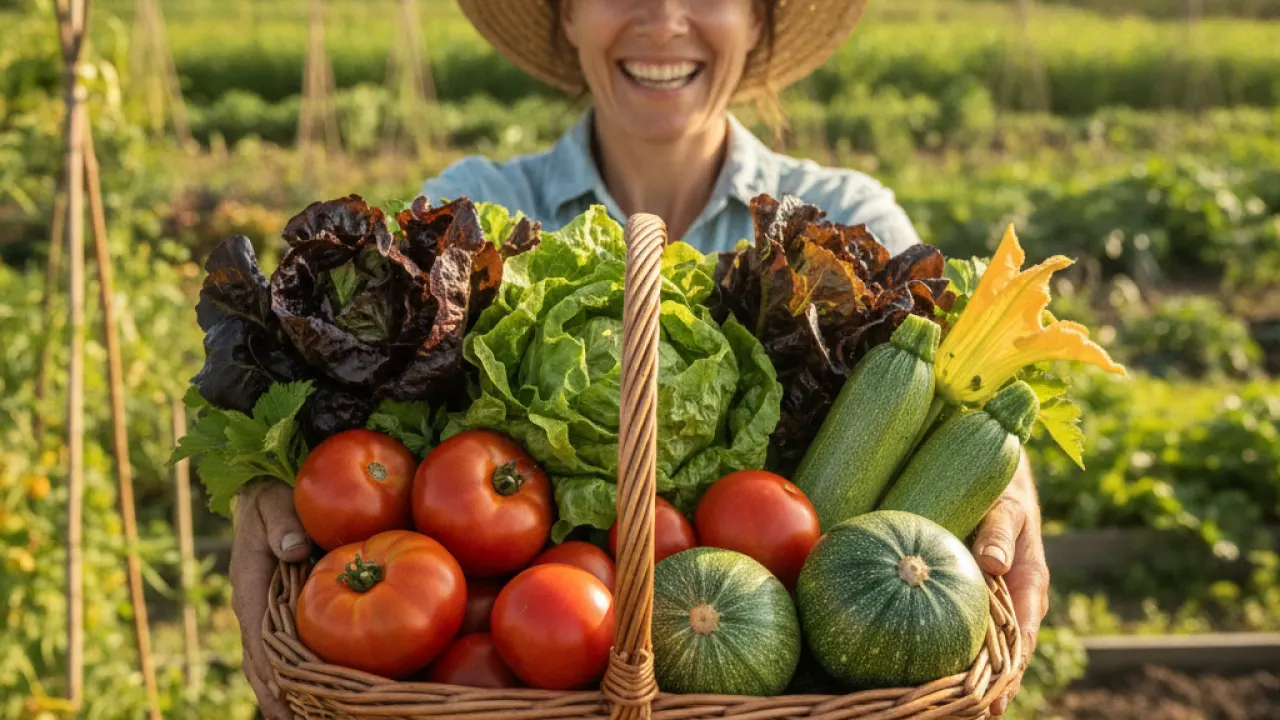
But you’ll also eat vegetables you grew yourself. Tomatoes warm from the plant. Lettuce picked minutes before you eat it. Peas shelled on the doorstep. These experiences are genuinely different from anything you’ll find in a supermarket.
By the end of your first season, you’ll know what worked in your specific garden, your specific soil, and your specific climate. That knowledge is worth more than any book or guide you read before you started.
The second year is always better than the first. The third better still.
A Simple First Garden Plan
If you want a starting point, here’s a simple plan for a 1.2m by 2.4m raised bed that’s easy to manage:
- One courgette plant at one end. It needs a lot of space.
- Three or four cherry tomato plants along one side with canes for support
- A row of French beans through the middle
- Beetroot direct sown in short rows
- Mixed salad leaves at the other end for continuous harvest
- Radishes tucked into gaps. They’re done before anything else fills the space.
This gives you a variety of harvests from June through October. It’s manageable, productive, and won’t take over your life. The vegetable garden from scratch works when you follow it consistently.
Frequently Asked Questions
How long does it take to set up a vegetable garden from scratch?
A basic raised bed can be set up and planted in a single weekend. Ground beds take a bit longer if you’re clearing grass and improving soil. The main time investment is at the start. After that, most gardens need 30 to 60 minutes of attention per week.
Can I start a vegetable garden in summer?
Yes, though your options are slightly more limited. In June and July you can still plant courgettes, French beans, tomatoes, salad leaves, beetroot, and autumn crops like kale and purple sprouting broccoli. You won’t be starting from zero in autumn, but there’s still plenty you can do.
How do I know if my soil is good enough?
Dig down 30cm and look at what you find. Dark, crumbly, earthy-smelling soil is good. Yellow, grey, or orange hard soil needs a lot of compost added. Very sandy soil needs organic matter to hold moisture. If in doubt, buy a bag of compost and mix it in.
Do vegetables need fertiliser?
If you add compost before planting, you don’t need fertiliser straight away. Once plants are established and starting to flower, a liquid tomato fertiliser (high in potassium) every 7 to 14 days helps fruit and flower development. Leafy crops benefit from a nitrogen-rich feed.
For more help getting started, you might find these useful: how to start a vegetable garden, easy vegetables, what to plant in July, garden layout.
Frequently Asked Questions
How long does it take to set up a vegetable garden from scratch?
A basic raised bed can be set up and planted in a single weekend. Ground beds take a bit longer if you’re clearing grass and improving soil. The main time investment is at the start. After that, most gardens need 30 to 60 minutes of attention per week.
Can I start a vegetable garden in summer?
Yes, though your options are slightly more limited. In June and July you can still plant courgettes, French beans, tomatoes, salad leaves, beetroot, and autumn crops like kale and purple sprouting broccoli. You won’t be starting from zero in autumn, but there’s still plenty you can do.
How do I know if my soil is good enough?
Dig down 30cm and look at what you find. Dark, crumbly, earthy-smelling soil is good. Yellow, grey, or orange hard soil needs a lot of compost added. Very sandy soil needs organic matter to hold moisture. If in doubt, buy a bag of compost and mix it in.
Do vegetables need fertiliser?
If you add compost before planting, you don’t need fertiliser straight away. Once plants are established and starting to flower, a liquid tomato fertiliser (high in potassium) every 7 to 14 days helps fruit and flower development. Leafy crops benefit from a nitrogen-rich feed.
Start Small, Stay Consistent
The biggest mistake new gardeners make is starting too big. A small, well-maintained garden always outperforms a large, neglected one. Start with one or two raised beds or a few containers. Get comfortable with those before you expand.
Show up regularly. Ten minutes in the garden every other day achieves more than two hours once a month. Consistent attention catches problems early, ke
You started from scratch once. Every experienced gardener did. There’s no secret to it. You just start. This
What’s the one thing you’ve been putting off that’s stopping you from starting your vegetable garden this week? Start with the basics of the vegetable garden from scratch and build from there.
t to it. You just start.What’s the one thing you’ve been putting off that’s stopping you from starting your vegetable garden this week?
The vegetable garden from scratch removes common barriers that stop people from starting.
Follow the vegetable garden from scratch for the full period to see real results.
The vegetable garden from scratch scales as you get more experienced.
Sticking to the vegetable garden from scratch matters more than any single step.
The vegetable garden from scratch gives you a clear structure every week.
Use the vegetable garden from scratch as your base and adjust it to your level.
Many people find the vegetable garden from scratch easier to follow than complex alternatives.
Results from the vegetable garden from scratch come from repetition, not perfection.
Keep the vegetable garden from scratch simple and focus on showing up consistently.
The vegetable garden from scratch works when you follow it consistently.
This guide shows you how the vegetable garden from scratch fits real life.
Start with the basics of the vegetable garden from scratch and build from there.
The vegetable garden from scratch removes common barriers that stop people from starting.
Follow the vegetable garden from scratch for the full period to see real results.
The vegetable garden from scratch scales as you get more experienced.
Sticking to the vegetable garden from scratch matters more than any single step.
The vegetable garden from scratch gives you a clear structure every week.
Use the vegetable garden from scratch as your base and adjust it to your level.
Many people find the vegetable garden from scratch easier to follow than complex alternatives.
Results from the vegetable garden from scratch come from repetition, not perfection.
Keep the vegetable garden from scratch simple and focus on showing up consistently.
The vegetable garden from scratch works when you follow it consistently.
This guide shows you how the vegetable garden from scratch fits real life.
Start with the basics of the vegetable garden from scratch and build from there.
The vegetable garden from scratch removes common barriers that stop people from starting.
Follow the vegetable garden from scratch for the full period to see real results.
The vegetable garden from scratch scales as you get more experienced.
Sticking to the vegetable garden from scratch matters more than any single step.
The vegetable garden from scratch gives you a clear structure every week.
Use the vegetable garden from scratch as your base and adjust it to your level.
Many people find the vegetable garden from scratch easier to follow than complex alternatives.
Results from the vegetable garden from scratch come from repetition, not perfection.
Keep the vegetable garden from scratch simple and focus on showing up consistently.
The vegetable garden from scratch works when you follow it consistently.
This guide shows you how the vegetable garden from scratch fits real life.
Start with the basics of the vegetable garden from scratch and build from there.