


How to invest in property UK starts with one simple rule: buy only when the numbers still work after tax, repairs, mortgage costs and empty months. A cheap-looking house can become expensive fast if you skip those checks.
This guide explains how to invest in property UK as a beginner in 2026. It covers goals, deposits, mortgages, rental yield, tax, legal checks, and the mistakes that cost new investors money. For official UK guidance, see GOV.UK guidance.
How to Invest in Property UK Starts With a Clear Goal
How to invest in property UK is easier when the first goal is narrow, written down and tied to a real budget.
Before you look at houses, decide why you are investing. Some people want monthly rental income. Some want long-term growth. Some want to buy, improve and sell. Each route needs a different budget, timeline and risk level.
How to invest in property UK is not the same as buying your own home. With your own home, comfort and location may matter most. With an investment, the numbers come first. The property must make sense even when rent is late, repairs appear, or rates change.
A beginner should write down one main goal. Keep it plain. For example, “I want a buy-to-let that breaks even after all costs and may grow over 10 years.” That is much clearer than “I want to get into property.”
There are four common routes for UK beginners:
- Buy-to-let means buying a property and renting it to tenants for regular income.
- Buy, improve and sell means adding value through repairs or better layout, then selling for a gain.
- Holiday let means renting short term, often with higher income but more work and more rules.
- REITs mean buying shares in property companies or funds, with less control but less hands-on work.
For most beginners, direct buy-to-let is the route they think about first. It can work, but it is not passive. You are buying a business asset. That means tenant checks, insurance, repairs, tax returns, safety rules and cash planning.
If you want a softer start, property funds or listed real estate investment trusts can teach you how property income works without making you a landlord. But this guide focuses on direct property because that is what most readers mean when they ask how to invest in property UK.
Build a Real Property Investment Budget First
How to invest in property UK begins with cash control, because the deal fails if the budget ignores buying costs.
How to invest in property UK safely begins with your budget. The deposit is only the first cost. You also need tax, legal fees, survey fees, mortgage fees, insurance, repairs and money for months when no rent comes in.
Many new investors make the same mistake. They look at the house price and deposit only. Then the real costs arrive one by one. A better method is to build the full buying budget before you view properties.
Your budget should include:
- Deposit for the mortgage, often higher for buy-to-let than for a home you live in.
- Stamp duty or the local property tax that applies in your part of the UK.
- Legal fees for conveyancing, searches and checks.
- Survey cost so you understand condition before exchange.
- Mortgage fees such as product fees, valuation fees or broker costs.
- Initial repairs including safety work, damp, wiring, boiler issues and decoration.
- Cash reserve for void months, emergency repairs and rate changes.
In England and Northern Ireland, stamp duty can add a large cost. The GOV.UK residential stamp duty rates page explains the current bands and the extra charge that can apply when buying an additional property.
That extra charge matters. It can change a deal from acceptable to weak. Do not check it after your offer. Check it before you decide your maximum price.
If you are comparing areas, our guide to UK house prices by region can help you set a rough price range before you start deep research.
How to invest in property UK also depends on your borrowing power. A lender may test rent against the mortgage payment, often at a higher stress rate than the current mortgage rate. That means a property with high rent is not always mortgageable if the price is too high.
Do not stretch every pound into the deposit. Keep cash back. A rented house can need a new boiler, roof repair or compliance work before it earns anything. If one repair can wipe you out, the deal is too tight.
Research the Area Before You Study the House
How to invest in property UK depends on local demand, not just the look of the house.

Beginners often fall in love with the property and ignore the street. That is backwards. The area drives tenant demand, rent level, resale options and repair risk. A good house in the wrong place can sit empty.
How to invest in property UK well means checking local demand first. You want to know who rents there, what they pay, how fast homes let, and whether the area has steady jobs, transport and schools.
Start with a map, but do not stop there. Walk the street during the day and again in the evening. Check noise, parking, transport, shops, bin storage, building condition and how many homes are for rent nearby.
Good area research includes:
- Rental demand from students, families, workers or short-term guests.
- Transport such as train stations, bus routes, roads and walking links.
- Local jobs from hospitals, universities, business parks or town centres.
- Schools if family tenants are the target market.
- Supply by checking how many similar homes are already listed.
- Condition of nearby homes, streets, roofs, drains and shared areas.
- Exit options because one day you may need to sell.
Look at sold prices as well as asking prices. Asking prices show what sellers want. Sold prices show what buyers paid. If asking prices are far above recent sold prices, do not build your plan on hope.
Rental listings can mislead too. A high rent advert does not mean a tenant paid it. Check how long listings stay live. If similar homes sit for weeks, the rent may be too high or the demand may be thin.
For direct property investors, local knowledge beats broad headlines. National prices may rise while your target street is flat. National rents may rise while your property has the wrong layout for local tenants.
How to invest in property UK is also about choosing a tenant type. A family home near schools has different risks from a city flat for young workers. A student house has different rules, wear and licensing needs. Match the property to the tenant before you buy.
Choose the Right Property Investment Route
How to invest in property UK can mean buy-to-let, a renovation sale, a holiday let or a fund, but beginners should pick one route first.

There is no single best route. The right route depends on your cash, time, skill, tax position and risk tolerance. How to invest in property UK as a beginner means choosing the route you can manage, not the one that sounds most exciting.
Buy-to-let is common because the model is easy to understand. You buy a property, rent it out, pay costs, and keep what is left. But the remaining profit can be small after mortgage interest, tax, repairs and empty months.
Use a simple rent test before you go deeper:
- Estimate realistic monthly rent from similar live and recently let homes.
- Subtract mortgage payment at a stressed rate, not just today’s best rate.
- Subtract insurance, agent fee, maintenance, safety checks and service charge if any.
- Allow for one empty month each year.
- Set aside money for tax and bigger repairs.
- Ask whether the remaining cash is worth the risk.
- Run the numbers again if rates rise or rent falls.
Gross yield is annual rent divided by purchase price. Net yield is what remains after costs. Beginners often talk about gross yield because it is easy. Investors care about net yield because it is closer to reality.
For example, a property that rents for £1,000 per month gives £12,000 per year. If it costs £200,000, the gross yield is 6%. But if mortgage costs, repairs, insurance, agent fees and empty months eat most of that, the real return may be far lower.
Buying to improve and sell can look faster, but it is harder than it sounds. You need to buy below market value, control building costs, avoid delays, and sell into a market that may change before you finish.
Holiday lets can earn more per night, but they need cleaning, guest messages, booking gaps, furniture, local rules and higher wear. The income is less steady, and tax treatment can be different from normal renting.
Property funds and REITs are worth knowing about. They do not give you control over a house, but they avoid boilers, tenants and legal duties. They can suit people who want property exposure without becoming a landlord.
If you are new, start with one route. Do not mix buy-to-let, flips, holiday lets and property funds at the same time. Learn one model properly. How to invest in property UK becomes much clearer when you stop chasing every possible deal.
Check Tax, Legal Rules and Running Costs
How to invest in property UK changes once tax and legal costs are added, so those checks must happen before the offer.

Tax and legal costs can make or break a property deal. A beginner should check these before making an offer, not after. How to invest in property UK in 2026 means knowing that rules can differ across England, Scotland, Wales and Northern Ireland.
Stamp duty is not the only tax. Rental income may be taxed. Capital gains tax may apply when you sell. Mortgage interest relief rules can affect landlords. If you use a limited company, the tax picture changes again.
Speak to a qualified tax adviser if the sums are large or your income is complex. General guides are useful, but tax depends on your full position. Salary, other income, ownership share and company use can all change the answer.
Legal checks matter too. Conveyancing confirms title, searches, restrictions, lease terms and risks. For more detail on buying costs, read our guide to conveyancing fees in the UK.
If you buy a leasehold flat, study the lease carefully. Service charge, ground rent, major works, cladding, short lease length and permission rules can all affect value. A cheap flat with a costly lease problem may not be cheap at all.
Landlords also have ongoing duties. These can include gas safety, electrical checks, deposit protection, right to rent checks, smoke alarms, energy standards and local licensing. Rules may change, so check current guidance before letting.
Running costs often include:
- Landlord insurance for buildings, liability and rent-related risks.
- Letting agent fees if you do not manage the property yourself.
- Repairs from small leaks to larger roof, heating or damp issues.
- Service charge for leasehold flats or managed estates.
- Licensing in some councils or for certain property types.
- Safety checks needed before and during a tenancy.
- Accountancy if your tax return is not simple.
- Void periods when the property earns no rent.
- Bad debt if rent is late or unpaid.
- Refurbishment between tenants.
Many beginners underestimate running costs because they look small month by month. Over a year, they can take a large share of rent. A good deal has room for these costs and still makes sense.
If your plan depends on perfect tenants, no repairs and low rates forever, it is not a plan. It is a wish. How to invest in property UK well means testing the deal against bad months before they happen.
Manage Risk Before You Make an Offer
How to invest in property UK safely means checking repair risk, tenant risk and resale risk before emotion takes over.
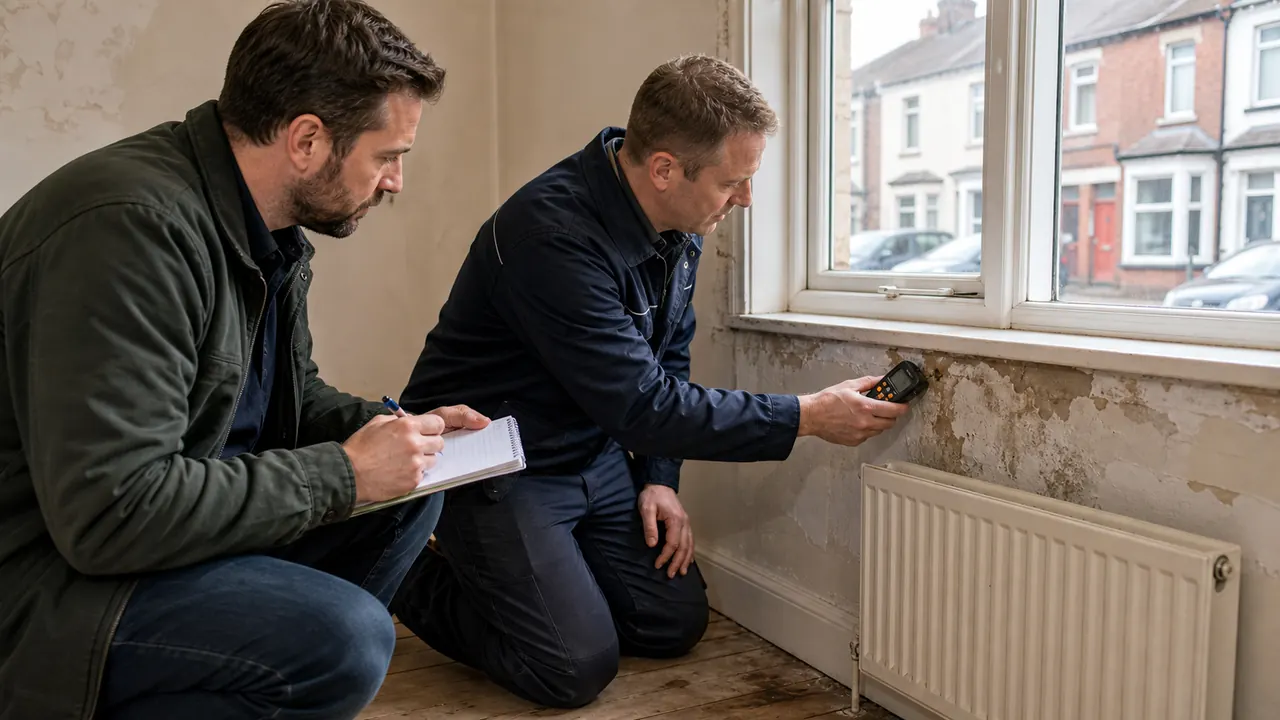
Risk control is where many new investors save the most money. A property can look fine during a short viewing and still hide damp, roof damage, wiring problems, boundary issues or lease defects.
How to invest in property UK means learning to slow down before you offer. Do not let pressure from an agent or seller push you into skipping checks. There will always be another property.
Before you make an offer, ask these questions:
- Why is it selling? A normal reason is fine. A hidden defect is not.
- How long has it been listed? Long listings may show price or condition issues.
- What rent is realistic? Use evidence, not the seller’s hope.
- What repairs are needed? Price them before you commit.
- What is the exit plan? Know who might buy it later.
- What could go wrong? Rates, repairs, tenants, tax and local demand all matter.
- Can you sleep if it is empty for 2 months? If not, the cash buffer is too small.
A survey is not just a formality. It can help you renegotiate, walk away or budget properly. The cheapest survey may not be enough if the property is old, damp, extended or visibly tired.
Get quotes for repairs before assuming they are cheap. A new investor may think repainting is the main cost. In reality, damp, roof, wiring, heating, windows and drainage can be much bigger.
Also think about tenant risk. Read our guide on how renting a house in the UK works so you understand the tenant side of the process before becoming a landlord.
How to invest in property UK is not about avoiding all risk. That is impossible. It is about choosing risks you understand and can afford.
Beginner Action Plan for Property Investing
How to invest in property UK becomes a repeatable process
If you are starting from zero, keep the first 30 days simple. Do not view 20 houses with no plan. Build your numbers first, then view only properties that fit.
d your numbers first, then view only properties that fit.Use this beginner plan:
- Choose one route, such as buy-to-let, and ignore other routes for now.
- Work out your full cash budget, including tax and a reserve.
- Speak to a broker about realistic borrowing.
- Pick two or three areas you can research properly.
- Track sold prices and rents for at least 2 weeks.
- Build a simple spreadsheet for rent, mortgage, tax, repairs and empty months.
- View only homes that pass your first number test.
- Get repair quotes before making a firm offer.
- Use a solicitor and surveyor who understand investment property.
- Keep enough cash after completion to handle problems.
How to invest in property UK becomes less confusing when you repeat the same checks on every deal. The method matters more than the first house you see.
If your goal is to buy your own place first, this guide to buying your first home may be a better starting point than a landlord plan.
Some people also invest through council or housing schemes, but these are not the same as open-market property investing. If that is relevant, read our guide to Right to Buy in the UK before comparing options.
The best first deal is often boring. How to invest in property UK well is not about showing off, it is about staying solvent. It is in an area you understand, at a price you can defend, with rent that covers costs, and repair risk you can afford. Boring can be good when real money is involved.
How to Invest in Property UK: Your Next Step
How to invest in property UK in 2026 comes down to patience and preparation. Start by learning one area well, build a clear deposit plan, speak to a mortgage broker, and run the numbers twice before you make an offer.
How to invest in property UK safely means treating the purchase as a business decision. Emotion and speed are common enemies. How to invest in property UK successfully means staying curious, reading market news, and reviewing your strategy at least once a year.
Frequently Asked Questions
How much money do I need to start?
Is buy-to-let still worth it in the UK?
Should I buy through a limited company?
What is a good rental yield?
Can beginners invest in property without becoming landlords?
How to Invest in Property UK: Your Next Step
How to invest in property UK in 2026 comes down to patience and preparation. Start by learning one area well, build a clear deposit plan, speak to a mortgage broker, and run the numbers twice before you make an offer.
How to invest in property UK safely means treating the purchase as a business decision. Emotion and speed are common enemies. How to invest in property UK successfully means staying curious, reading market news, and reviewing your strategy at least once a year.
Frequently Asked Questions
How much money do I need to start?
Is buy-to-let still worth it in the UK?
Should I buy through a limited company?
What is a good rental yield?
Can beginners invest in property without becoming landlords?
Final Check Before You Start
How to invest in property UK should end with one final check: does the deal s
Do not buy because a property feels cheap. Buy because the evidence supports the price and the deal still works after stress testing. how t
What part of property investing are you checking first: deposit, area, rent, tax or repair risk?
rice every cost, and keep cash back for bad months.Do not buy because a property feels cheap. Buy because the evidence supports the price and the deal still works after stress testing.
What part of property investing are you checking first: deposit, area, rent, tax or repair risk?