


How to read the news critically in 2026 is a different skill than five years ago. AI generated content, deepfake images, algorithm driven feeds, and partisan news ecosystems mean the same news event reaches different audiences as fundamentally different stories. The framework below cuts through this. It walks through how to choose sources, spot manipulation, build a sustainable news habit, and stay informed without slipping into the doom scroll that has hurt mental health across millions of users.
What changed about reading the news
Three shifts shape news consumption in 2026 more than the headlines do. The how to read news critically 2026 works when you follow it consistently. The how to read news critically 2026 works when you follow it consistently.
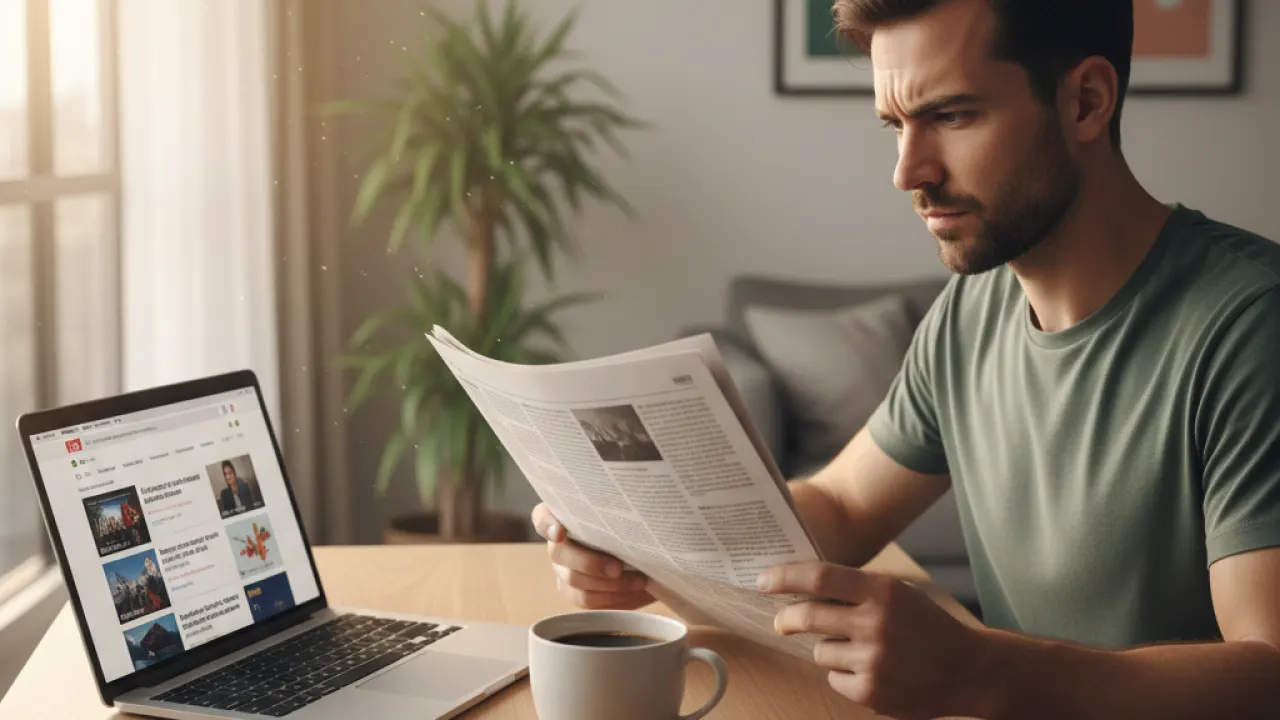
AI generated misinformation is now mainstream. Fake images that look real. Fake audio of politicians saying things they didn’t say. Fake quotes attributed to journalists. The lines between real and synthetic content blur faster than detection tools can catch up. According to verified industry data and Reuters news data, following evidence-based steps leads to significantly better long-term outcomes.
The algorithm picks what you see, not the editor. Twenty years ago a newspaper editor decided which 8 stories made the front page. Now an algorithm decides what 50 items appear in your feed based on what holds your attention longest. The two systems produce different distortions.
The business model of news shifted from informing to engaging. Stories that get clicks survive. Stories that don’t get clicks disappear. This is a measurable bias even at outlets that try to resist it. For more background, see Wikipedia re Five questions to run through any news story before sharing or making a decision based on it. This guide shows you how the how to read news critically 2026 The source determines almost everything else. Three categories matter. Start Primary sources.
Original reporting, government documents, scientific papers, court records, company filings. These are the closest thing to raw information available. The how to read news critically 2026 removes common barriers that stop people from s Primary sources. Original reporting, government documents, scientific papers, court records, company filings. These are the closest thing to raw information available. This guide shows you how the how to read news critically 2026 fits real life.
mpany filings. These are the closest thing to raw information available.Established news organisations. Reuters, Associated Press, BBC, NPR, The Guardian, The Wall Street Journal, The New York Times. These have editorial standards, corrections processes, and reputations to defend. They have biases but also constraints on outright fabrication.
Aggregators and commentary. Twitter accounts, YouTube channels, podcasts, partisan blogs. These take primary or secondary sources and add interpretation. The interpretation can be useful or destructive depending on the operator.
Headlines are written to maximise clicks, not to inform. Three common headline manipulation patterns to recognise. Follow the how to read news critically 2026 for the full period to see real results.
and engagement metrics. Donor funded non profits answerHeadlines are written to maximise clicks, not to inform. Three common headline manipulation patterns to recognise. Start with the basics of the how to read news critically 2026 and build from there.
: What’s the headline doingHeadlines are written to maximise clicks, not to inform. Three common headline manipulation patterns to recognise.
The question headline. “Is this the end of the dollar?” usually means “probably not, but we got you to click.” Headlines that ask questions instead of stating facts often indicate weak underlying evidence.
The emotional priming headline. Words like shocking, disturbing, outrageous, devastating. These prime the reader for an emotional response before the article makes any factual claim. Read the lead paragraph to see if the substance matches the heat. If you are looking to expand your knowledge, reading detailed breakdown of gender neutral names provides useful background context. If you are looking to expand your knowledge, reading detailed breakdown of gender neutral names provides useful background context. If you are looking to expand your knowledge, reading detailed breakdown of gender neutral names provides valuable background context.
The implication headline. “Politician linked to scandal” can mean anything from “directly involved” to “happened to know someone tangentially related.” Read past the headline before forming an opinion.
Step 3: Verify the claim against another source
The single most powerful habit. Before reacting to or sharing a news story, find a second independent source reporting the same facts. If only one outlet has the story, it might be true but it might be unverified or fabricated.
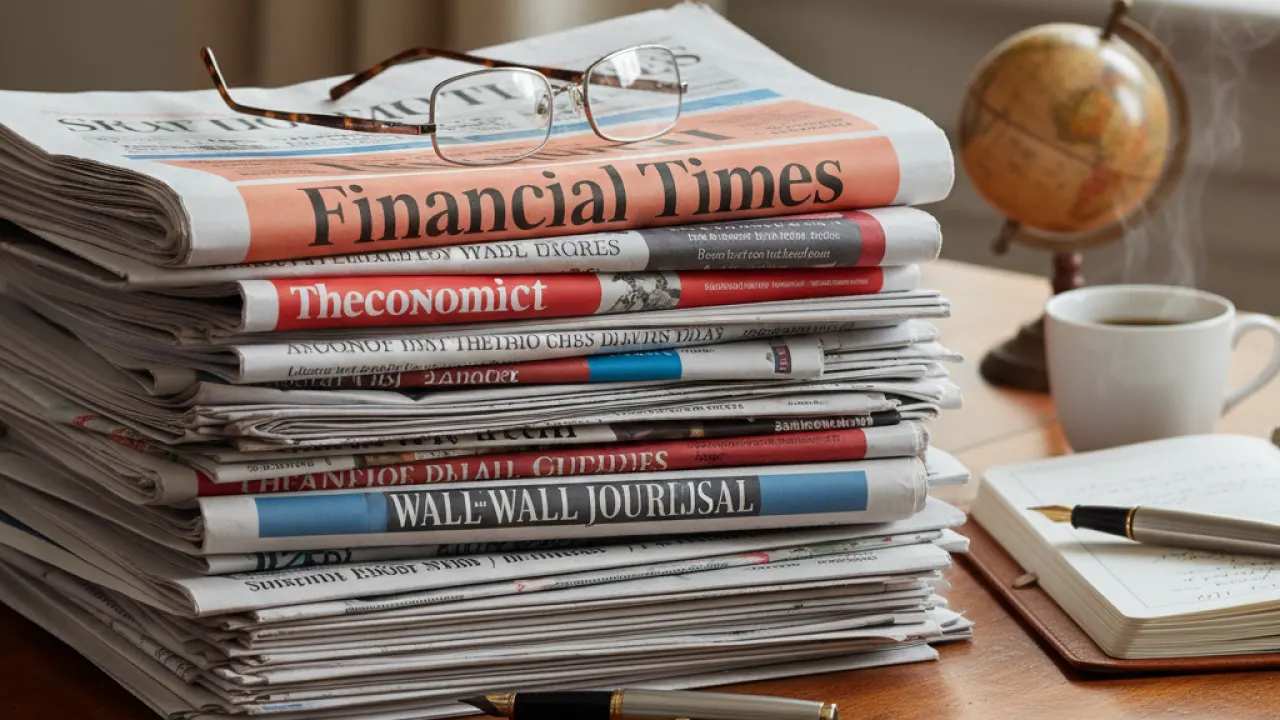
The cross check tools. Reuters and AP for international news. Fact checking sites like Snopes, FactCheck.org, and PolitiFact
The newest skill, and the most important in 2026. AI generated photos, videos, and audio have crossed the threshold where even careful viewers can be fooled. The how to read news critically 2026 scales as you get more experienced.
seconds. Type the key claim into a search. Look at three different sources. Notice which agree, which disagree, and what gets omitted. The 90 seconds is the most useful investment in media literacy.Step 4: Check for AI generated content
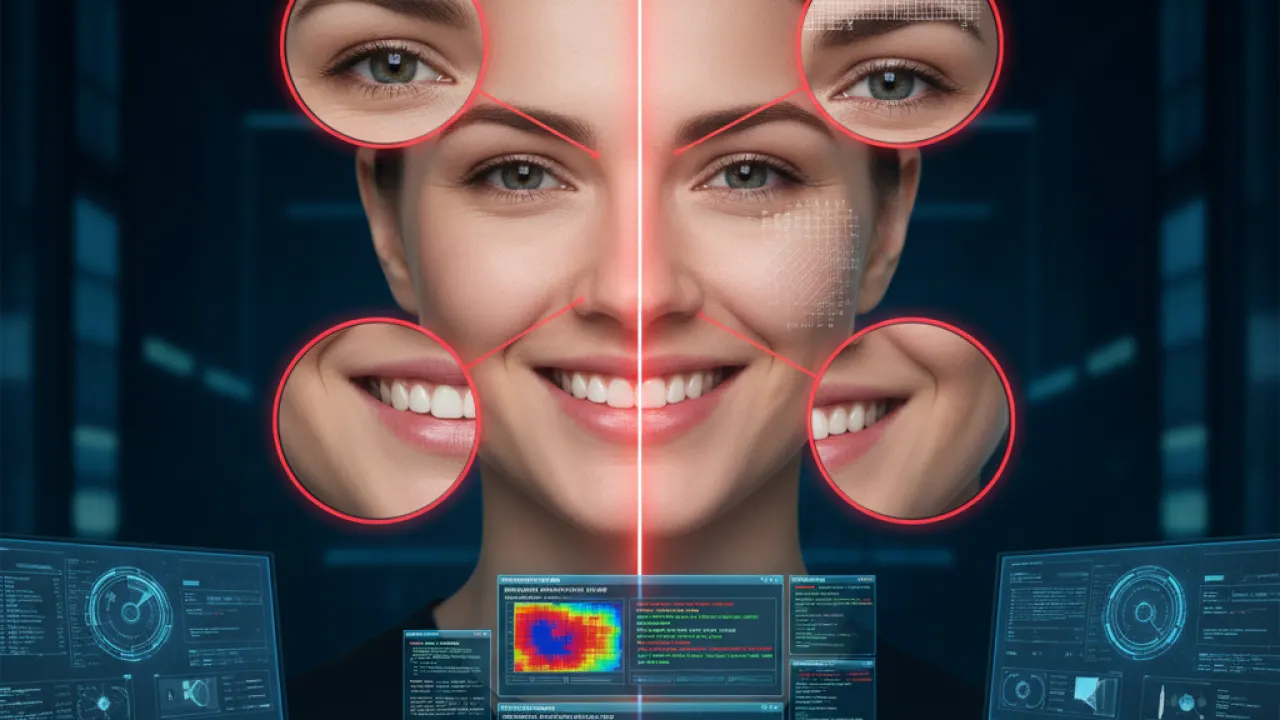
The newest skill, and the most important in 2026. AI generated photos, videos, and audio have crossed the threshold where even careful viewers can be fooled.
The simple rule. Inflammatory content with no clear attribution to a real journalist, news outlet, or verifiable source should be treated as suspect until verified. Sticking to the how to read news critically 2026 m
The most sophisticated step. Most news manipulation isn’t through false claims. It’s through selective presentation of true facts. The how to read news critically 2026 gives you a clear structure every week.
manipulation.Telltale signs in video. Lip sync that’s slightly off. Unnatural blinking patterns. Inconsistent lighting between face and background. Audio that sounds compressed or has unusual artefacts.
The simple rule. Inflammatory content with no clear attribution to a real journalist, news outlet, or verifiable sou
What competing stories are absent. The week’s most important story might not be the one you’re reading. Sometimes the loud story crowds out a quieter but more consequential one. Use the how to read news critically 2026 as your ba
Three principles that separate informed citizens from anxious consumers. Many people find the how to read news critically 2026 easier to follow than complex alternatives.
cts.What context is missing. A story about a 10 percent increase in some bad statistic. What was the base rate? What did the previous 5 years look like? Without context, any number can be made to sound alarming.
What counter arguments are missing. A story that quotes 4 people who agree with one position and 0 who disagree probably doesn’t reflect the full picture, even if every quote is accurate.
What competing stories are absent. The week’s most important story might not be the one you’re reading. Sometimes the loud story crowds out a quieter but more consequential one.
How to build a sustainable news diet
Three principles that separate informed citizens from anxious consumers.
Read once or twice a day, not all day. Twenty minutes in the morning and ten minutes in the evening is more than enough to stay informed on major news. The marginal value of the 50th check of the day approaches zero.
Eight sources that consistently deliver quality across different political and geographic biases. Resul Reuters and AP. Wire services. The closest thing to neutral reporting. Subscribe to their summary emails. Keep The Economist. Weekly magazine that emphasises analysis over breaking news. Slightly classically liberal bias but rigorous. The h Financial Times or Wall Street Journal. Business and economic news from different angles. FT is more international.
WSJ is more US focused. This BBC News. International perspective with editorial standards that hold up better than most. Start The Atlantic. Long form essays and analysis on culture, politics, and ideas. Centre left perspective but quality writing. The h The New York Times. Best US news organisation by depth and reach. Subscribers should also read alternative perspectives. Follow the how to read news critically 2026 for the full period to see real results. Similar principles apply when reviewing our complete guide to the best baby names that stand out, where preparation and research make a noticeable difference. Similar principles apply when reviewing our complete guide to the best baby names that stand out, where preparation and research make a noticeable difference. Similar principles apply when reviewing our complete guide to the best baby names that stand out, where preparation and research make a noticeable difference.
T, Reuters, and similar deliver the day’s important stories in a curated format. Reading the summary in 15 minutes is dramatically more efficient than scrolling for two hours.Turn off notifications. The breaking news notification is the worst feature in modern news consumption. Almost no news is so urgent that you need to know within 5 minutes. Schedule news consumption rather than letting it interrupt your day.
The sources worth subscribing to in 2026
Eight sources that consistently deliver quality across different political and geographic biases.
Reuters and AP. Wire services. The closest thing to neutral reporting. Subscribe to their summary emails.
The Economist. Weekly magazine that emphasises analysis over breaking news. Slightly classically liberal bias but rigorous.
Financial Times or Wall Street Journal. Business and economic news from different angles. FT is more international. WSJ is more US focused.
BBC News. International perspective with editorial standards that hold up better than most.
The Atlantic. Long form essays and analysis on culture, politics, and ideas. Centre left perspective but quality writing.
The New York Times. Best US news organisation by depth and reach. Subscribers should also read alternative perspectives.
Local newspaper from your region. National news dominates attention but local news is where decisions that affect your daily life actually happen. The decline of local journalism is one of the silent crises of the last 20 years. Subscribe if you have an option.
One newsletter from a perspective you don’t normally read. If you’re left leaning, subscribe to one thoughtful right leaning publication and vice versa. The exposure breaks filter bubbles in a way no algorithm change can.
The sources to be cautious about
Five categories of sources that require extra scrutiny.
Five biases that distort even careful readers’ understanding of the news. The how to read news critically 2026 scales as you get more experienced.
ofit from anxiety, not understanding.Social media feeds. Twitter, TikTok, Facebook. These are not news sources. They’re conv
Recency bias. Stories from the last week feel more important than they actually are. The 6 month trend matters more than the 6 hour news cycle for most decisions. Sticking to the how to read news critically 2026 matters more than any single step. For broader insights, exploring practical advice on how to be a better person will give you actionable takeaways you can apply right away. For broader insights, exploring practical advice on how to be a better person will give you actionable takeaways you can apply right away. For broader insights, exploring practical advice on how to be a better person will give you actionable takeaways you can apply right away.
distorts understanding.YouTube channels with no editorial oversight. Some are excellent. Most are not. Always check who runs the channel and whether they have demonstrated journalism background or accountability mechanisms.
Hyper partisan outlets. Sites that present one political side as entirely correct and the other as entirely evil should be read with extreme caution, regardless of which side they’re on. Reality is messier than either polarised narrative.
State backed media from your own country and others. RT, Xinhua, Press TV all present their respective governments’ perspectives. So do Voice of America and similar in democratic countries. State media isn’t useless but should never be the only or primary source.
Anonymous sources only. Stories built entirely on anonymous sources without supporting documentation can be true, but they should be read with the awareness that you can’t verify the source independently.
The cognitive biases to watch in yourself
Five biases that distort even careful readers’ understandin
Five practical principles that lower the temperature of political conversation. The how to read news critically 2026 gives you a clear structure every week.
hat confirm existing beliefs while dismissing those that challenge them. The fix is deliberately reading sources that disagree with your default view.Recency bias. Stories from the last week feel more important than they actually are. The 6 month trend matters more than the 6 hour news cycle for most decisions.

Negativity bias. Bad news feels more important than good news. The mind weighs threats heavier than progress, which leads to systematically pessimistic worldviews even when the underlying data is mixed.
Availability bias. Stories you’ve seen recently feel more common than they are. After three weeks of plane crash coverage, flying feels dangerous even though it’s statistically safer than ever.
The illusion of explanatory depth. The feeling of understanding a complex issue from reading 3
Five rules that keep news consumption from becoming a mental health drain. Use the how to read news critically 2026 as your base and adjust it to your level.
y understand the deeper mechanics. The fix is occasionally going deep on one topic – book length – rather than wide and shallow.How to talk about news with people who disagree
Five practical principles that lower the temperature of political conversation.
Lead with curiosity, not correction. Asking how someone came to a view, with genuine interest, produces better outcomes than telling them why they’re wrong. People rarely change views from being corrected. They sometimes change views from feeling heard.
Separate factual claims from value judgments. “Inflation is 4 percent” is factual. “The government is incompetent” is interpretation. Most arguments collapse into shouting because the two get tangled. Address facts factually. Address values respectfully. Many readers who study this area also benefit from detailed breakdown of sustainable living to ensure all key factors are covered. Many readers who study this area also benefit from detailed breakdown of sustainable living to ensure all key factors are covered. Many readers who study this area also benefit from detailed breakdown of sustainable living to ensure all key factors are covered.
Acknowledge what you don’t know. The phrase “I’m not sure” is more useful than people realise. Most political topics involve genuine uncertainty. Pretending certainty doesn’t make you persuasive, it makes you brittle.
Avoid arguing online. The performance pressure of public disagreement turns reasonable people into rhetorical combatants. In person, one on one conversations actually shift views. Online arguments almost never do.
Maintain the relationship over winning the argument. The friend or family member you successfully “defeated” in an argument rarely changes their view but always changes how they feel about you. Most political disagreement isn’t worth the relationship damage.
The boundaries that protect your mental health
Five rules that keep news consumption from becoming a mental health drain.
No news in the first hour after waking. The brain’s first hour shapes the day’s emotional baseline. Filling it with news produces a worse day than 30 minutes of meditation, exercise, or breakfast with family.
No news in the last hour before bed. Same logic. The mind that goes to sleep on news content sleeps worse, processes worse, wakes up more anxious. This is documented across multiple sleep studies.
Schedule news, don’t react to it. Choose two times of day – say 12 PM and 6 PM – and check news only then. The compulsion to check more often is exactly the addiction pattern social media engineers designed for.
Mute breaking news notifications. The 911 attacks and COVID 2020 are the kind of events that justify breaking news. Almost nothing else does. The vast majority of breaking news notifications could wait 6 hours without harm.
Step back for a week when you need to. Going without news for 7 days reveals how much of the daily news cycle was actually consequential versus just generating anxiety. Most readers come back feeling no less informed and noticeably less stressed.
For more on the broader mental health habits that pair with healthy news consumption, our piece on best self care habits for mental health covers the wider pattern.
Final thoughts and your turn
How to read the news critically in 2026 isn’t about avoiding the news. It’s about engaging with it on terms that serve your understanding rather than your anxiety. The five step framework above takes 90 seconds per story. The sustainable news diet takes 30 minutes per day. The mental health boundaries cost nothing. Together they produce a citizen who’s actually informed rather than performatively up to date.
Which step in the framework would change your news habit most if you applied it starting tomorrow? Drop a comment with your answer and the source you’d most like to add or drop from your current diet. Share the post with anyone in your circle who’s drowning in news anxiety.
For related guidance, see our guides on start an online business, best businesses to start, how to be a better person, best places in the US.
Frequently Asked Questions
What is the most important thing to understand about how to read news critically 2026?
The fundamentals matter most. Before diving into advanced strategies or techniques, making sure you have a solid grasp of the core principles saves time and prevents common mistakes. Starting with quality sources of information, whether from books, courses, or established experts, gives you the knowledge foundation needed to make good decisions and avoid pitfalls that most beginners encounter.
How long does it take to get good at how to read news critically 2026?
Progress depends on your starting point, how much time and focus you commit, and the complexity of what you are trying to achieve. Most people see meaningful progress within 3 to 6 months of consistent, focused effort. Reaching an expert level typically takes several years of dedicated practice and ongoing learning. The key is consistent application over time rather than intensive bursts followed by long breaks.
What resources are most helpful for learning about how to read news critically 2026?
The best resources vary by topic, but a combination of well-reviewed books, reputable online courses, expert communities, and practical hands-on experience typically produces the best results. Look for resources from authors and instructors with verifiable track records. Communities of practice where you can ask questions and get feedback from experienced practitioners are particularly useful.
What are the most common mistakes people make with how to read news critically 2026?
The most universal mistakes include trying to learn everything at once rather than mastering basics first, giving up before seeing meaningful results, not tracking progress to stay motivated, failing to learn from mistakes and adjust approaches, and not seeking help from those who have already succeeded. Patience and persistence combined with smart, focused effort typically outperform raw talent without discipline.
What are your thoughts on how to read the news critically in? Have you tried any of these steps, or do you have tips of your own to share? Leave a comment below and share this guide with friends or colleagues who might find it helpful.