

The rainiest cities in UK sit mostly in the west, from Glasgow and Belfast down through Wales to the south-west of England. Fort William in Scotland tops the national rankings with over 2,000mm of rainfall per year. But this guide is about real cities too. Cardiff, Manchester, Glasgow and Belfast all get far more rain than London and the dry east. Here’s the full picture: where it rains most, why it rains there, and what that actually means for daily life.
Why Some Parts of the UK Get So Much More Rain
The UK’s rainfall pattern is driven almost entirely by geography and the direction of prevailing winds. Moist air moves in from the Atlantic Ocean to the south-west. When it hits land, it rises over hills and mountains and drops its moisture as rain. The west coast of the UK takes the full force of this. The east, sitting in the lee of the country, gets a fraction of the rain the west receives.
The effect is striking. London averages around 600mm of rainfall per year. Fort William in the Highlands records over 2,000mm. That’s more than three times as much rain falling in the same country. The mountains of Snowdonia in Wales, the Lake District in Cumbria, and the Cairngorms in Scotland all create orographic lifting, the process by which moist air is forced upward and cools, causing heavy and persistent rain on the windward side.
Western coastal cities have no mountains to shelter them, so they sit directly in the path of Atlantic fronts. Glasgow, Belfast and Cardiff all experience this. Rain comes in waves, often several days of rain in a row followed by brief sunny spells, then more rain. The east of England has a fundamentally different climate, drier, more continental in character, with longer dry spells between rain events.
The contrast shows up clearly in UK weather data. UK climate trends show that western regions have seen rainfall increase in recent decades, making the east-west divide even more pronounced than it was in the mid-twentieth century.
The Rainiest Cities in UK: Full Rankings
Here are the rainiest major cities and towns in the UK, based on long-term annual rainfall averages from Met Office data. These figures reflect typical years rather than exceptional ones. For more background, see Wikipedia reference.
- Fort William, Scotland: approximately 2,052mm per year
- Cardiff, Wales: approximately 1,150mm per year
- Glasgow, Scotland: approximately 1,100mm per year
- Belfast, Northern Ireland: approximately 860mm per year
- Manchester, England: approximately 880mm per year
- Liverpool, England: approximately 850mm per year
- Swansea, Wales: approximately 1,200mm per year
- Preston, Lancashire: approximately 870mm per year
- Plymouth, Devon: approximately 1,000mm per year
- Exeter, Devon: approximately 820mm per year
For comparison, the driest cities in the UK are all in the east. Cambridge averages around 570mm. Ipswich is similar. London’s Heathrow records around 600mm. This gives you a sense of the scale of the difference across the country.
Fort William and the Scottish Highlands: UK’s Wettest Place
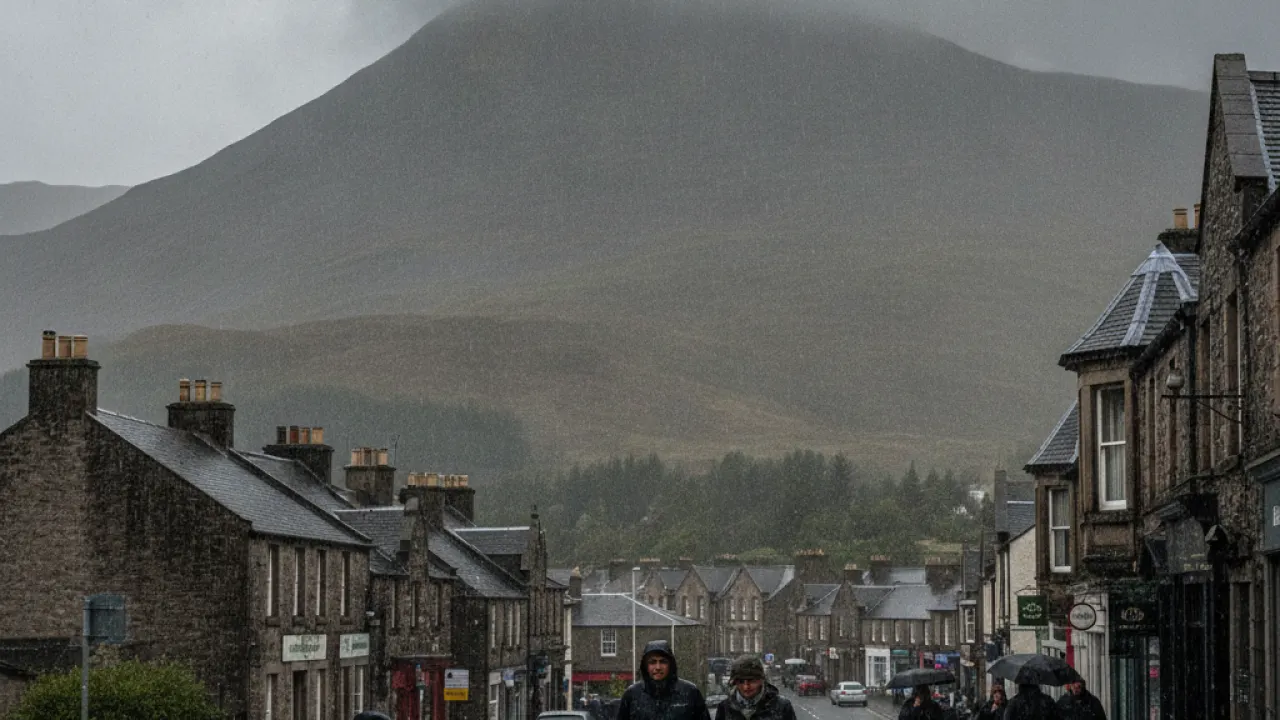
Fort William is a small town at the foot of Ben Nevis, Britain’s highest mountain, in the western Highlands of Scotland. It’s the wettest settlement of any size in the UK. The annual rainfall exceeds 2,000mm most years. The reason is straightforward: moist Atlantic air hits the mountains and drops enormous quantities of rain on the western slopes.
Ben Nevis itself receives even more. The summit weather station recorded an annual average of around 4,000mm before it closed. But even at sea level in the town below, the rainfall is extraordinary by any UK standard. Fort William averages around 250 rain days per year. That’s roughly two days in three when some rain falls.
The Highlands more broadly are defined by this wet character. The lochs, the peat bogs, the rivers and waterfalls are all products of this high rainfall. Visitors who come expecting Highland sunshine are often surprised. The terrain is partly magnificent because of the rain, not despite it. The light after a Highland shower, on a wet glen with low cloud clearing from the hills, is genuinely spectacular.
Other Wet Parts of Scotland
Beyond Fort William, the western isles of Scotland, including Skye, Mull and Lewis, also receive very high rainfall. The Mull of Kintyre gets over 2,000mm in some years. Aberdeen, by contrast, sits on the drier east coast and receives around 750mm per year, much less than the west.
Edinburgh is drier than its reputation suggests. The city receives around 700mm per year, which is below the UK average. The Firth of Forth’s position on the east coast keeps it considerably drier than Glasgow, just 70 miles to the west.
Cardiff: UK’s Rainiest Capital City
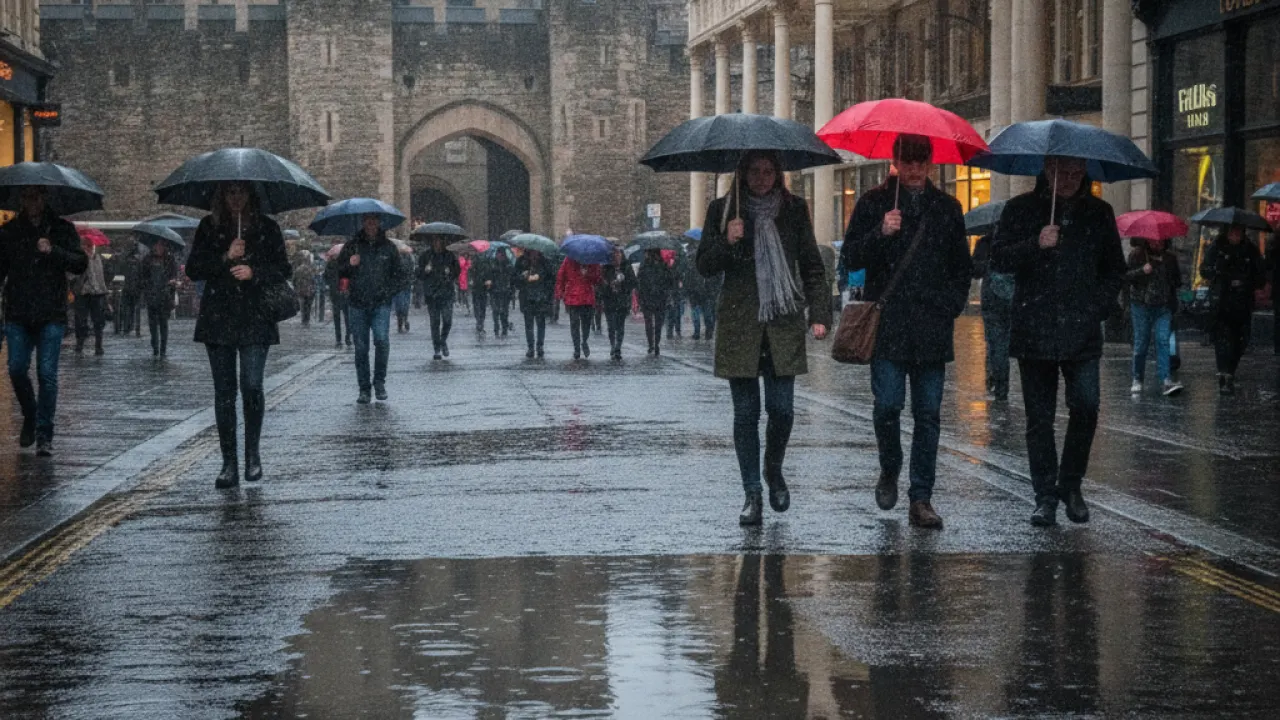
Cardiff receives around 1,150mm of rain per year, more than any other UK capital city. It rains in Cardiff on approximately 150 days of the year. The city sits on the south coast of Wales, open to Atlantic moisture coming up from the south-west. The Welsh valleys to the north funnel and intensify rainfall at times.
Cardiff’s rain is different in character from Scottish Highland rain. It’s frequently drizzly and overcast rather than torrential. The city can have a string of grey, damp days without a heavy downpour. This type of weather is sometimes called “Welsh rain” locally: persistent light rain that soaks you gradually rather than quickly.
The city is fully adapted to this climate. The Victorian covered arcades, of which Cardiff has some of the finest in the UK, were built partly to give shoppers shelter from the rain. The indoor market is a city institution. Cardiff Castle and the civic buildings of Cathays Park look their best in wet weather, the stone buildings reflecting the moisture and taking on a deeper colour.
Swansea, 40 miles west of Cardiff along the south Wales coast, is even wetter. It records around 1,200mm per year and sits more directly in the path of south-westerly Atlantic fronts. The Brecon Beacons to the north add to the orographic rainfall effect.
Manchester: England’s Rainiest Major City
Manchester has a well-earned reputation for rain. The city averages around 880mm per year, which makes it the wettest major city in England. It rains on roughly 140 to 150 days per year. The Pennine Hills to the east and the Irish Sea to the west create a geography that channels Atlantic moisture into the Greater Manchester area.
The rain in Manchester is real but it’s often overstated. The city doesn’t have the relentless downpours of the Highlands. What it has is frequent, often light rain, overcast skies and a generally damp atmosphere. The saying that it rains every day in Manchester is an exaggeration, but the idea that you should always carry an umbrella isn’t far off.
Manchester’s position in north-west England means it catches a lot of the weather systems that come in from the Atlantic. Liverpool, just 35 miles to the west, gets similar rainfall totals, around 850mm per year. Both cities sit well above the national average and well above what London and the east of England experience.
The cultural impact of the rain on Manchester is real. The city’s indoor culture is partly a product of its weather. The legendary music scene, the pub culture, the dense city centre retail streets, all of these are partly shaped by the fact that outdoor life is less reliable here than in the south. People in Manchester don’t stay home because it rains. They’ve built a city that works in wet weather.
Glasgow and the Central Belt of Scotland
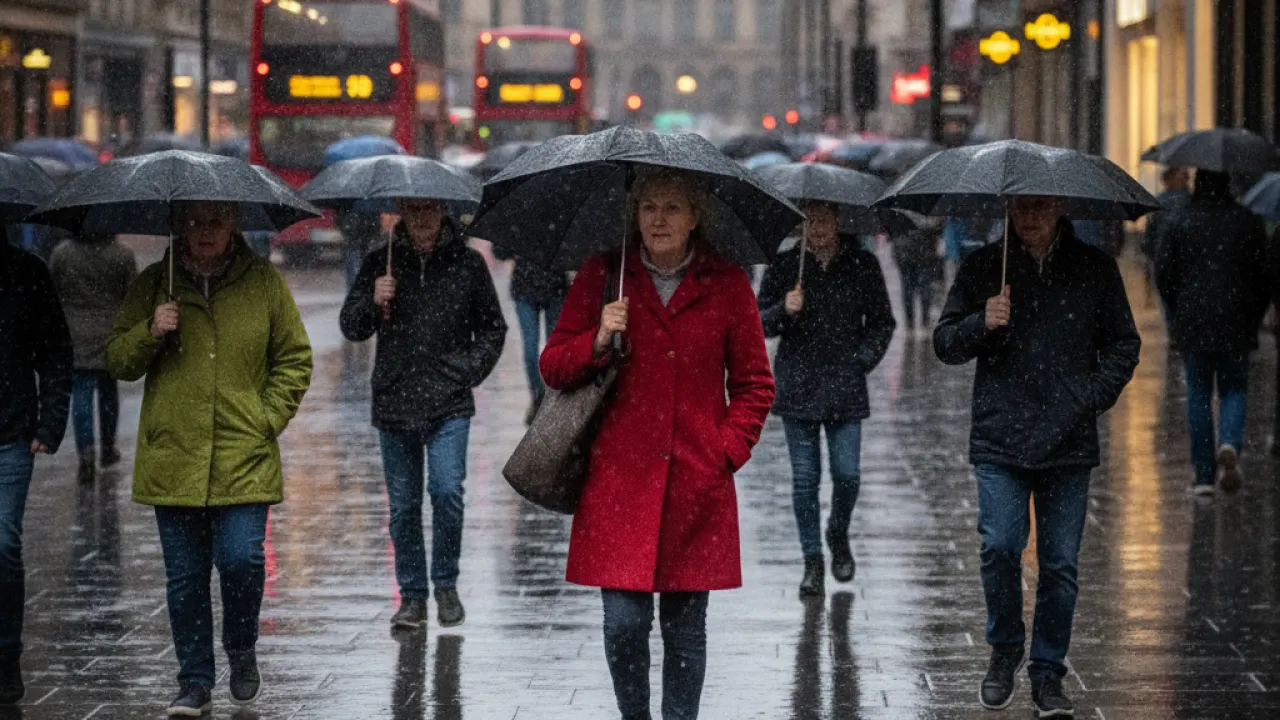
Glasgow receives around 1,100mm of rain per year and has roughly 170 rain days annually. It’s the wettest major city in the UK after Fort William, though Fort William is far smaller. Glasgow sits on the west coast of Scotland, directly in the path of Atlantic weather systems. The Campsie Fells and the southern Highlands to the north and east don’t shelter the city the way the Highlands protect Inverness or Aberdeen.
The rain in Glasgow is a genuine feature of city life. The city has adapted in practical ways: covered shopping centres, the famous Buchanan Galleries and the St Enoch Centre keep retail life indoors, the traditional tenement buildings with their shared closes provide shelter from the street, and the pub culture is partly a logical response to a city where outdoor socialising is unreliable.
Despite the rain, Glasgow is a city that doesn’t complain about its weather publicly. There’s a practicality about it: people dress for it, plan around it, and get on with their lives. The annual rainfall is part of the climate, not an excuse for inaction. The city’s parks, the Kelvingrove and Glasgow Green, are beautifully green precisely because of the rain that falls on them.
Belfast and Northern Ireland
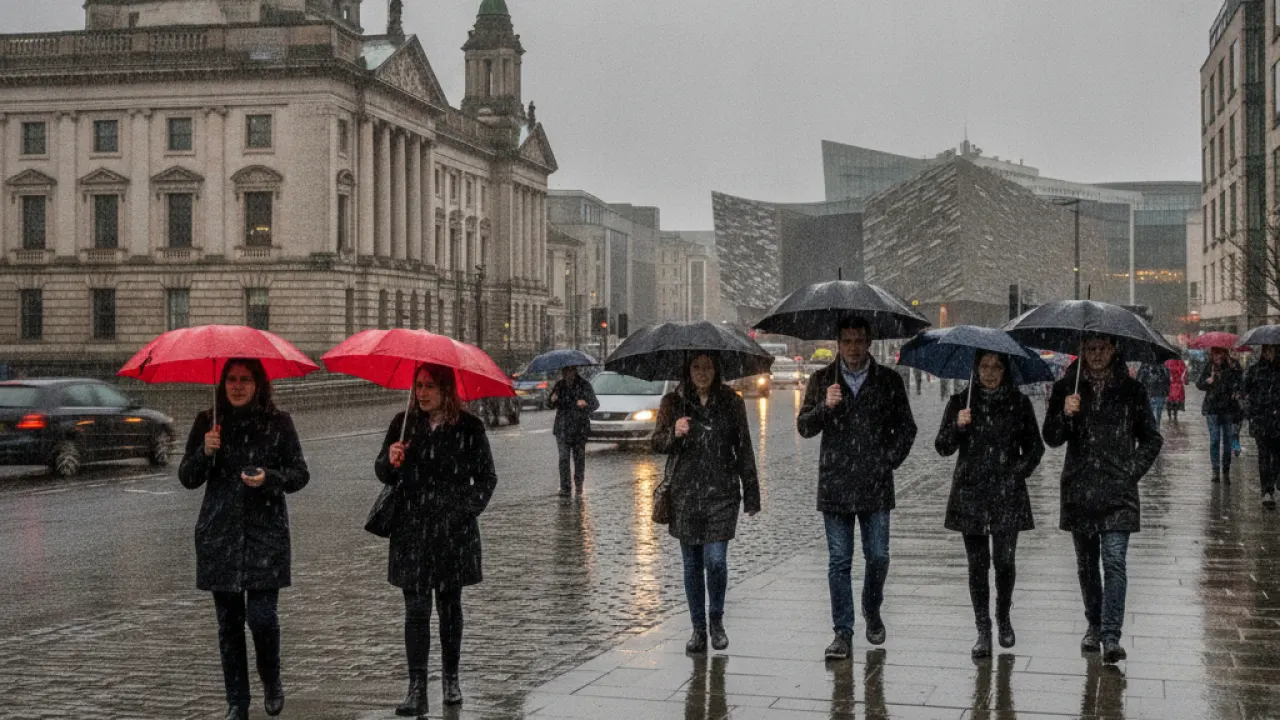
Belfast receives around 860mm of rain per year and has more rain days than most English cities, approximately 150 per year. Northern Ireland sits between Scotland and Ireland, open to Atlantic fronts from both the west and the north. The Antrim Hills to the north of the city add an orographic element that increases rainfall over parts of the greater Belfast area.
The rest of Northern Ireland is broadly wet. Derry receives around 900mm per year. The north-west coast around the Causeway Coast is one of the more exposed parts of the country. The Mourne Mountains in the south receive well over 1,500mm annually. Parts of the Sperrins also record very high totals.
Irish sea crossings and the proximity to the Atlantic mean that Northern Ireland’s weather comes from multiple directions. Atlantic fronts from the south-west are common in winter. Northerly airstreams from Scotland and the Arctic bring cold, damp weather at other times. Dry settled spells happen but are notably shorter in the east of England and the south coast.
Why the Atlantic Winds Drive UK Rainfall
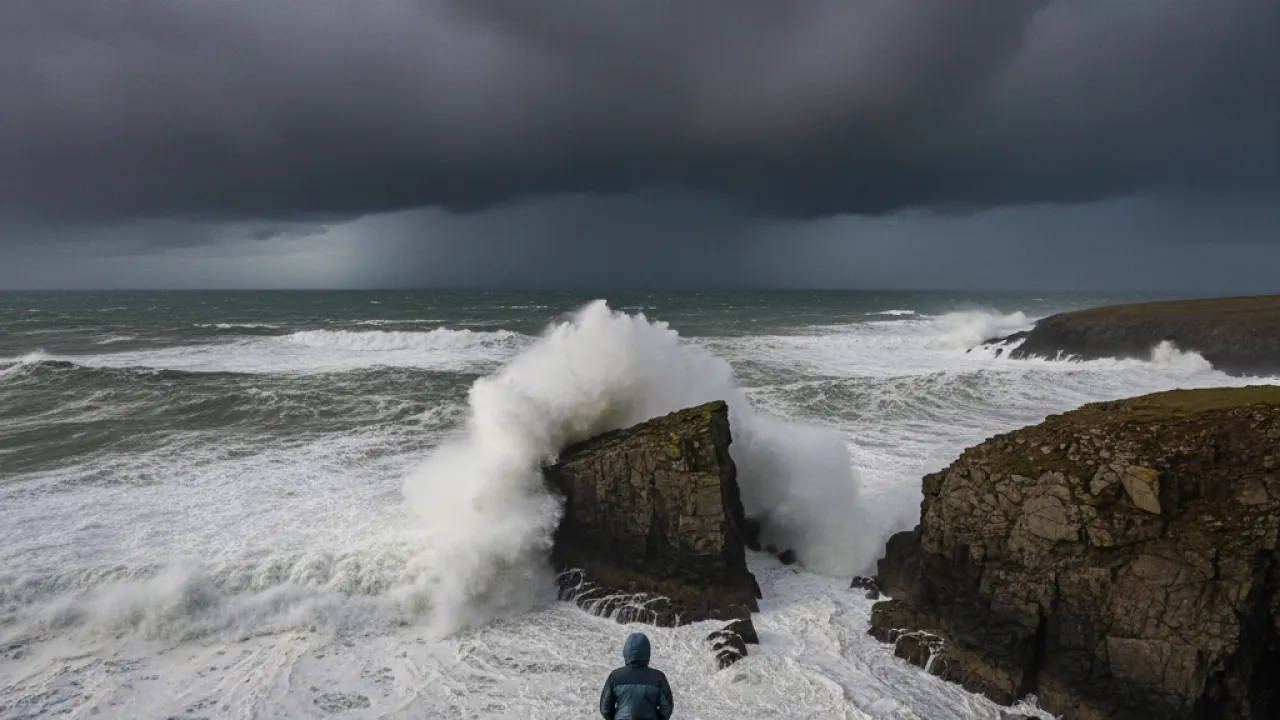
The UK’s prevailing wind direction is south-westerly. This means air that has crossed the Atlantic Ocean, picking up enormous amounts of water vapour as it travels over warm ocean currents, arrives at the west coast of the British Isles loaded with moisture. When this moist air meets land, it rises. As it rises, it cools. Cooler air holds less water vapour. The excess falls as rain.
The Jet Stream plays a role too. In years when the Jet Stream sits over the UK, the country experiences a succession of Atlantic low-pressure systems that bring heavy and persistent rain. This can last for weeks at a time, as in the devastating winter floods of 2013-14. In years when the Jet Stream tracks to the north or south of the UK, conditions are drier and more settled.
The east of England sits in what geographers call a “rain shadow.” The hills and mountains of Wales, the Pennines and the Scottish Highlands intercept much of the incoming Atlantic moisture before it reaches the east. By the time weather systems reach East Anglia or London, they’ve already deposited most of their rain further west.
The Driest Parts of the UK
Understanding the rainiest cities in UK is easier when you compare them to the driest. East Anglia is the driest region in England, with some parts recording under 550mm per year. The Thames Estuary and the areas around Sheppey in Kent receive under 600mm. London as a whole averages around 600mm, less than Rome and comparable to Madrid.
This surprises many people who associate the UK with rain across the board. The east of England is not rainy by European standards. Cities like Ipswich, Colchester and Norwich have annual rainfall totals that are typical of central and southern Europe rather than the wet maritime climate of the west.
The divide runs roughly north to south through the middle of England. The Pennines mark the boundary quite well in the north: west of the Pennines, notably more rain; east of them, drier. In the south, the Chilterns and the North and South Downs play a similar though less pronounced role.
How Rainfall Affects Daily Life in the Rainiest UK Cities
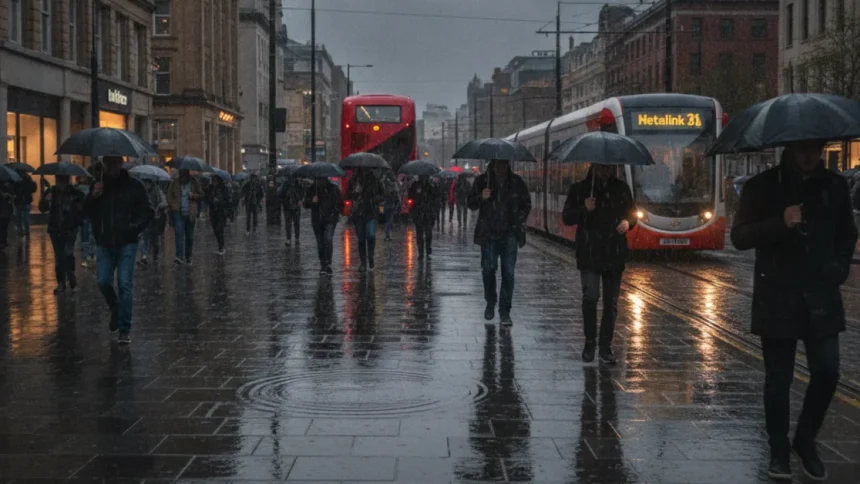
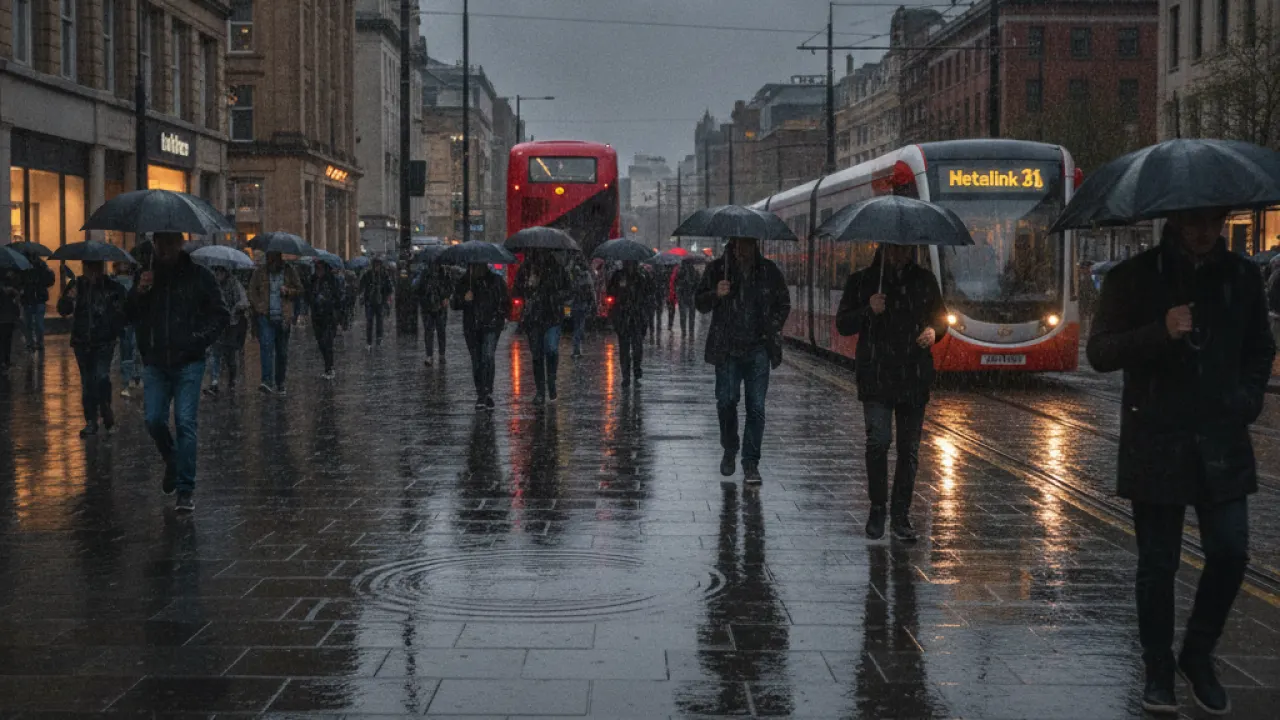
People who live in the rainiest cities in UK develop habits and attitudes that visitors often notice. Umbrellas are part of daily life. Waterproof shoes are not an outdoor-activity item but standard footwear. Office workers in Manchester and Glasgow keep a jacket for the walk to lunch that would be unnecessary in London or Cambridge.
Infrastructure in wet cities reflects the climate. Glasgow’s subway, one of the world’s oldest, keeps people dry on commutes. Manchester’s Metrolink tram network has sheltered stops that matter on a wet morning. Cardiff’s Victorian arcades are genuinely practical as well as architecturally beautiful.
The green spaces in wet cities are usually exceptional. The parks in Glasgow, Manchester and Cardiff are as green as anywhere in Europe, because the rain that irritates residents also feeds the grass, trees and gardens that make those cities liveable. Belfast’s Cave Hill Country Park is stunning in large part because the wet climate keeps it lush and green year-round.
Property prices in wet cities don’t directly reflect the rainfall. Glasgow has some of the best-value property in any major UK city. Cardiff is considerably cheaper than Bristol, despite similar size and similar distance from London. The weather is one factor among many, and buyers in these cities clearly decide that the rain is a tolerable trade-off. If you’re thinking about renting in any of these cities, the market is generally more affordable than the south.
Flood Risk and Rainfall in UK Cities
High rainfall doesn’t automatically mean flood risk, but it’s a factor. Cities with river systems and high rainfall are more vulnerable. Carlisle has flooded repeatedly, sitting at the confluence of the Rivers Eden, Caldew and Petteril, in a part of Cumbria that gets substantial rainfall from the Lake District to the south. The flooding of December 2015 was one of the worst on record in the city.
Glasgow’s River Clyde has extensive flood defences built over decades. Cardiff sits at the mouth of the rivers Taff, Ely and Rhymney, and the Cardiff Barrage helps manage tidal flood risk in the bay. Manchester’s River Irwell runs through the city and has experienced serious flooding, most recently in 2015-16.
The connection between high-rainfall cities and flood events is real but not inevitable. Good drainage, flood defences and river management can protect cities even in the wettest parts of the UK. The failure usually comes when exceptional rainfall events overwhelm systems designed for normal or near-normal conditions. Records of past flooding suggest that extreme rainfall events will become more frequent in the UK, which puts extra pressure on flood infrastructure in the rainiest areas.
Rain and Mental Health: Is Wet Weather Bad for Wellbeing?
There’s genuine debate about how much UK rainfall affects the people who live with it. Seasonal Affective Disorder, or SAD, is a real condition. It’s associated with reduced light in winter more than with rain directly, but the two often go together: rainy days have less light. The north-west of England and Scotland, with their high rainfall and winter darkness, have higher rates of SAD than the sunnier south.
That said, the effect is not straightforward. Studies comparing wellbeing across UK regions don’t consistently find that wetter cities have less happy populations. People adapt. The expectation of rain changes your experience of it. If you live in Manchester and expect some rain, a drizzly Tuesday doesn’t register the same way as an unexpected downpour in a city that normally has dry summers.
The communities in the rainiest cities in UK have a particular resilience and directness that partly reflects their weather. There’s less of the fair-weather fragility you sometimes encounter in places where good weather is assumed. People in Glasgow and Manchester and Belfast get on with things regardless of what falls from the sky.
Tips for Living Well in a Rainy UK City
If you live in or plan to move to one of the rainiest cities in UK, a few practical habits make a real difference:
- Quality waterproof gear matters more than quantity. A genuinely good waterproof jacket you wear every day is better than five cheap ones you leave at home.
- Indoor social infrastructure becomes more important. Find the good indoor markets, covered spaces and social venues that work in wet weather.
- Grow plants. The rain is free irrigation. Gardens in Manchester and Cardiff can be spectacular because of the rainfall, not despite it.
- Track the weather hourly rather than daily. Western UK weather changes fast. A grey morning can become a sunny afternoon. Checking hourly forecasts lets you plan outdoor activities in the gaps.
- Embrace the seasons. The rainiest cities often have genuinely good summers. Glasgow and Manchester can be warm and bright from May to August. The rain concentrates in autumn and winter, not year-round.
Understanding how to buy property in the UK includes factoring in local weather patterns, flood risk and the practical costs of living in a wet climate, from heating bills to drainage maintenance.
Frequently Asked Questions
What is the
The rainiest cities in UK is a structured approach designed to give clear, actionable steps that produce reliable results over time.
How do I start with the
Begin with the foundation steps, focus on consistency, and build intensity gradually as the plan progresses.
How long does the rainiest cities in UK take to work?
Most people notice initial improvements within a few weeks, with more meaningful results appearing after 8 to 12 weeks of consistent effort.
Is the rainiest cities in UK suitable for beginners?
Yes. The rainiest cities in UK is designed to be accessible, with progressions and modifications that let anyone start at their current level.
What are the main mistakes to avoid with the
Common mistakes include skipping the foundation phase, expecting overnight results, and not tracking progress consistently.
Why Knowing the Rainiest Cities in UK Matters
Whether you’re choosing where to live, planning a business, managing infrastructure or just trying to understand the country you live in, the rainfall map of the UK is more relevant than it might seem. The difference between 600mm per year in Cambridge and 2,000mm per year in Fort William is not a minor weather detail. It shapes the economy, culture, architecture and daily habits of the places in between.
The rainiest cities in UK are not worse places to live than drier ones. They have their own character, their own advantages and their own ways of dealing with the water that falls on them. The infrastructure, the culture, the green spaces and the communities of western UK cities are all shaped by the rain in ways that are interesting and often genuinely appealing.
Rain is part of Britain. The west gets more of it than the east, the north more than the south, and the mountains more than the lowlands. That’s the shape of the UK’s climate. The cities that have the most of it have, on the whole, adapted well.
Which of the rainiest cities in UK have you lived in or visited, and how did the weather affect your experience? The rainiest cities in UK works when you follow it consistently.
This guide shows you how the rainiest cities in UK fits real life.
Start with the basics of the rainiest cities in UK and build from there.
The rainiest cities in UK removes common barriers that stop people from starting.
Follow the rainiest cities in UK for the full period to see real results.
The rainiest cities in UK scales as you get more experienced.
Sticking to the rainiest cities in UK matters more than any single step.
The rainiest cities in UK gives you a clear structure every week.
Use the rainiest cities in UK as your base and adjust it to your level.
Many people find the rainiest cities in UK easier to follow than complex alternatives.
Results from the rainiest cities in UK come from repetition, not perfection.
Keep the rainiest cities in UK simple and focus on showing up consistently.
The rainiest cities in UK works when you follow it consistently.
This guide shows you how the rainiest cities in UK fits real life.
Start with the basics of the rainiest cities in UK and build from there.
The rainiest cities in UK removes common barriers that stop people from starting.
Follow the rainiest cities in UK for the full period to see real results.
The rainiest cities in UK scales as you get more experienced.
Sticking to the rainiest cities in UK matters more than any single step.
The rainiest cities in UK gives you a clear structure every week.
Use the rainiest cities in UK as your base and adjust it to your level.
Many people find the rainiest cities in UK easier to follow than complex alternatives.
Results from the rainiest cities in UK come from repetition, not perfection.
Keep the rainiest cities in UK simple and focus on showing up consistently.
The rainiest cities in UK works when you follow it consistently.
This guide shows you how the rainiest cities in UK fits real life.
Start with the basics of the rainiest cities in UK and build from there.
The rainiest cities in UK removes common barriers that stop people from starting.