

Sustainable living in 2026 looks nothing like the wellness influencer version. It isn’t $80 mason jars and matching bamboo brushes. It’s a small set of boring habits that actually reduce your footprint, save real money, and don’t require turning your life upside down. This guide walks through 15 of them, ranked by impact, with honest assessments of which deliver real change and which are mostly aesthetic. The sustainable living habits 2026 is the main focus of this guide.
What sustainable living actually is in 2026
Before the habits, the framing. Three principles separate effective sustainability from the performative kind. For more background, see Wikipedia reference. This guide explains how the sustainable living habits 2026 works in practice.
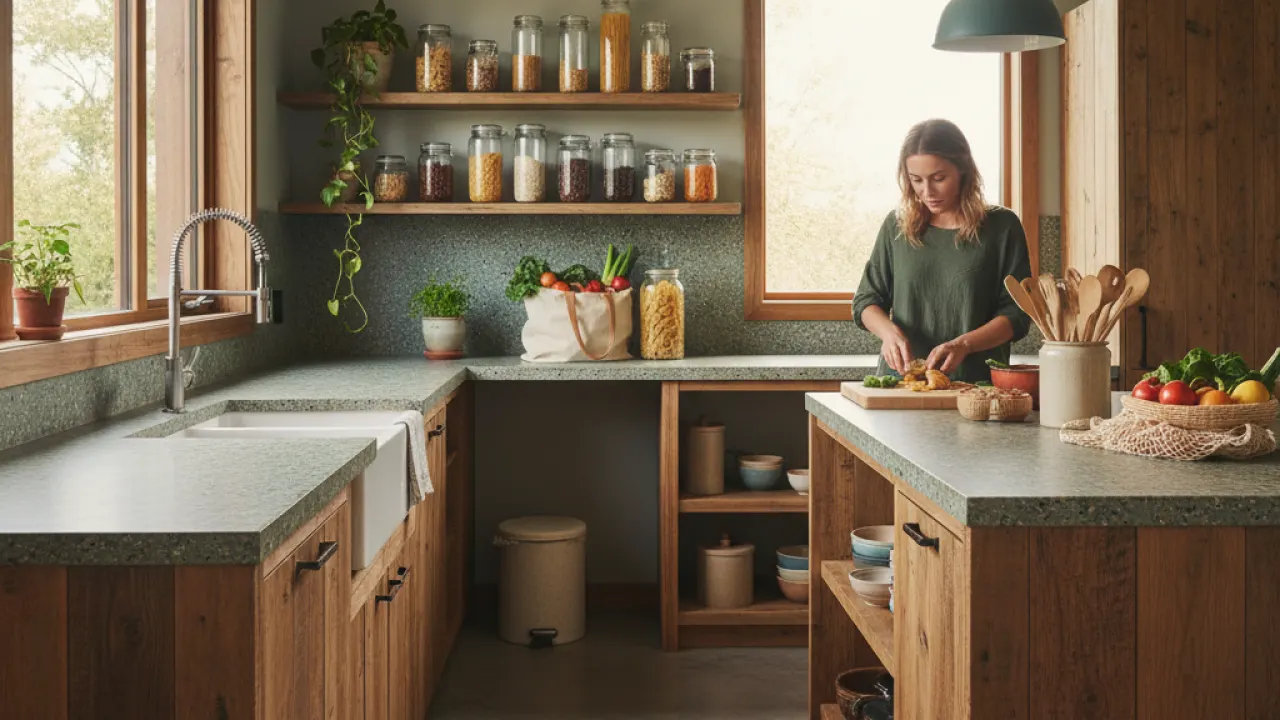
The big 4 dominate the personal footprint. Food (especially red meat and food waste). Transportation (especially flying). Home energy (heating, cooling, electricity). Stuff (clothing, electronics, household goods). 90 percent of an individual’s footprint sits in these four categories. The fancier eco products outside these areas barely move the dial. Follow the sustainable living habits 2026 to get the best results.
Replace, don’t add. The most sustainable purchase is the one you don’t make. Replacing your worn out blender with an efficient one is sustainable. Buying a new sustainable blender when your current one works is not. The sustainable living habits 2026 gives you a clear starting point.
Habit beats heroism. A small change kept for 20 years matters more than a dramatic month long sprint that collapses. The 15 habits below are all designed for permanent adoption, not 30 day challenges. Many people search for the sustainable living habits 2026 because they want a simple answer.
The 15 daily habits ranked by impact
1. Eat less red meat
The single biggest food choice for sustainability. Beef and lamb production has the highest greenhouse gas intensity of any common food. Reducing red meat from daily to once or twice a week cuts a typical diet’s food footprint roughly in half. Use the sustainable living habits 2026 as your reference point.
The practical version. Pick two or three meatless dinners per week. Use chicken or fish on most other nights. Save beef and lamb for weekends or special occasions. The diet still tastes good and the footprint drops dramatically. The sustainable living habits 2026 covers everything you need to know.
2. Reduce food waste
Roughly a third of food produced globally is wasted. The average household throws away 20 to 30 percent of what it buys. Reducing this is one of the highest impact changes possible, and saves $500 to $1,500 per year for a typical family. This guide walks through the sustainable living habits 2026 step by step.
The five techniques. Plan meals for the week before shopping. Cook in batches and freeze leftovers. Keep produce visible in the front of the fridge, not buried in drawers. Use up what you have before buying new. Eat leftovers for lunch instead of takeout. The sustainable living habits 2026 helps you avoid common mistakes.
3. Drive less, walk and bike more
Transportation is the second largest personal footprint category. Reducing solo car trips for short distances – groceries, errands, school drop off – by half cuts a typical household’s transport footprint by 15 to 25 percent. Keep the sustainable living habits 2026 in mind as you read each section.
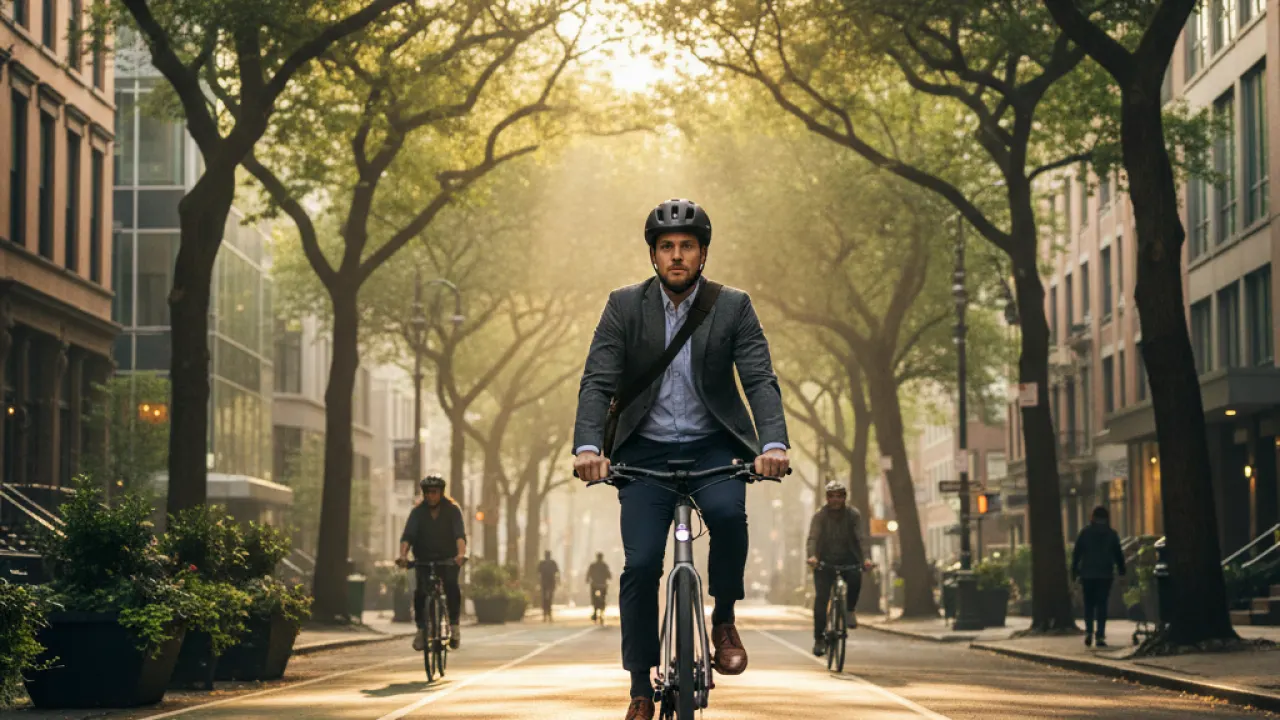
The realistic shift. Combine errands into one trip. Walk to anywhere under a mile. Bike to anywhere under 5 miles when weather permits. E bikes have made this practical for people who can’t or don’t want to pedal hard. The sustainable living habits 2026 is the main focus of this guide.
4. Fly less, and fly economy
One transatlantic round trip in business class produces roughly the same emissions as 6 months of household electricity. Flying is the single highest impact action most middle class households can change.
The realistic version. Take one major flight per year instead of three. When you do fly, fly economy (business class emissions are 3 times higher per passenger). Stack trips – if you visit family, see other friends or do the conference on the same trip rather than separate flights. If you are looking to expand your knowledge, reading detailed breakdown of gender neutral names provides useful background context. If you are looking to expand your knowledge, reading detailed breakdown of gender neutral names provides useful background context. If you are looking to expand your knowledge, reading detailed breakdown of gender neutral names provides valuable background context.
5. Switch to LED lights everywhere
One of the easiest immediate wins. LED bulbs use 75 to 90 percent less energy than incandescent. They cost 5 times as much but last 25 times as long. The math works out enormously in favour of LEDs.

The complete switch. Replace every bulb in your house at the next burnout. Don’t throw away working incandescents – that’s wasteful too. Within 2 years a typical household has fully transitioned and saves $100 to $300 annually on electricity.
6. Lower the thermostat in winter, raise it in summer
The single largest controllable energy use in most homes. Setting heating 2 degrees lower in winter and cooling 2 degrees higher in summer saves 10 to 15 percent of home energy. The sustainable living habits 2026 works when you follow it consistently.
The trick to making it work. Don’t change all at once. Drop or raise 1 degree per week until you adjust. The body adapts within 2 weeks. Combine with sweaters in wint
The 3R hierarchy – reduce, reuse, recycle – has the order right. Reuse is dramatically more impactful than recycling. Recycling is mostly the last resort. This guide shows you how the sustainable living habits 2026 fits real life.
ly more impactful than recycling. Recycling is mostly the last resort.The household applications. Reusable shopping bags (which save 100 to 300 plastic bags per household per year). Reusable water bottles. Reusable coffee cups. Cloth napkins and dish towels. Reusable food storage containers instead of single use plastic.

Food waste in landfills produces methane, a much more potent greenhouse gas than CO2. Composting at home or via municipal pickup converts that same waste into soil. Start with the basics of the sustainable living habits 2026 and build from there.
fills produces methane, a much more potent greenhouse gas than CO2. Composting at home or via municipal pickup converts that same waste into soil.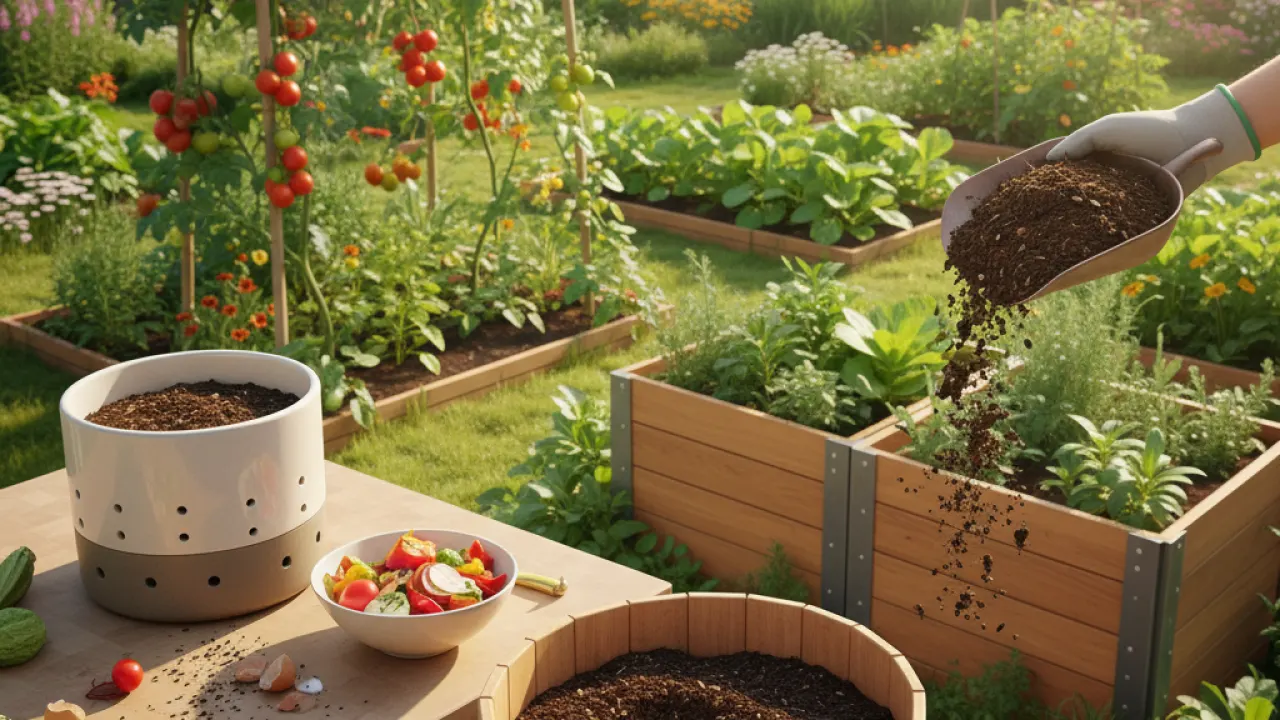
The simplest versions. A countertop compost bin that get
The average person buys 60 percent more clothing than 20 years ago, and keeps each piece half as long. The fast fashion industry is one of the largest polluters globally. The sustainable living habits 2026 removes common barriers that stop people from starting.
9. Buy fewer clothes, of higher quality
The average person buys 60 percent more clothing than 20 years ago, and keeps each piece half as long. The fast fashion industry is one of the largest polluters globally.
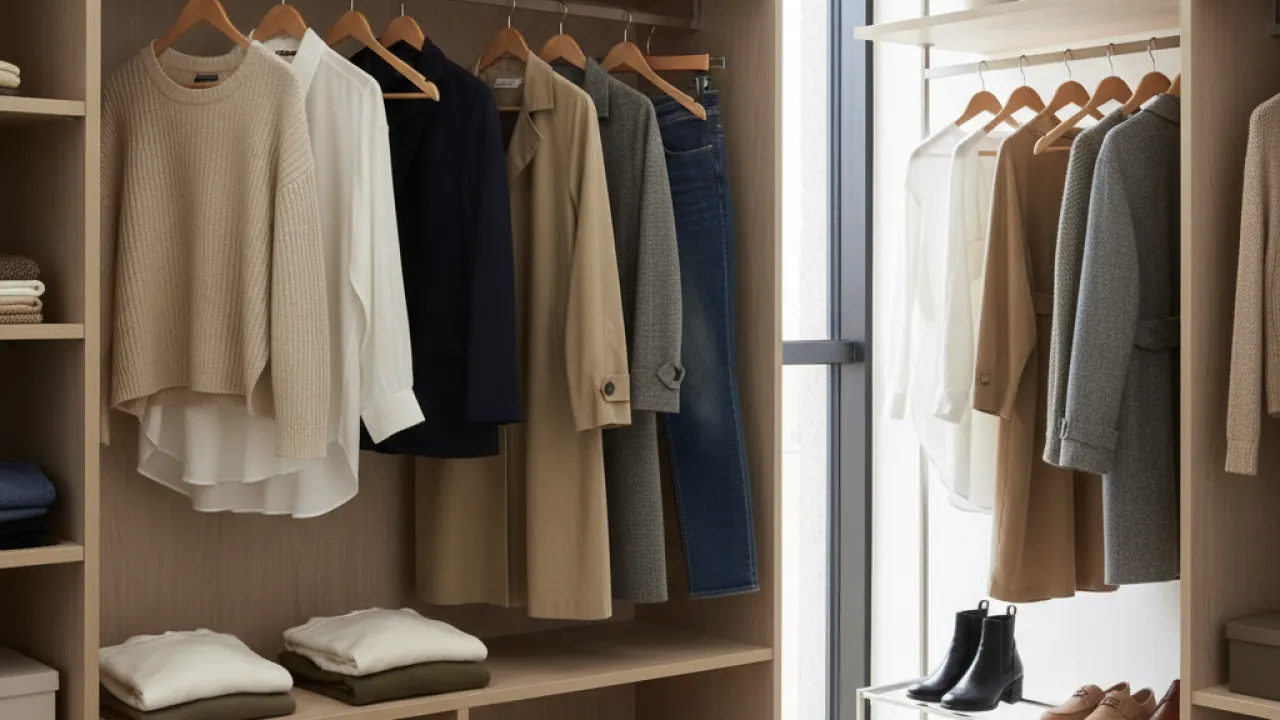
The realistic shift. Buy half as many pieces, but pay double for each. Choose timeless cuts in classic colours. Maintain clothes (shoe repair, hemming, mending) rather than replacing. Thrift and second hand for trendy pieces.
10. Repair, don’t replace
The right to repair movement gained real momentum in 2025 and 2026 in many countries. Repairing electronics, appliances, and durable goods extends their useful life and reduces the consumption rate.
The realistic practice. Phone screen cracked – replace the screen for $80 to $150 rather than upgrading to a new $1,000 phone. Coffee maker not heating – $20 part replacement instead of buying a new $200 machine. Couch sagging – reupholster for $500 instead of $1,500 new. Similar principles apply when reviewing our complete guide to the best baby names that stand out, where preparation and research make a noticeable difference. Similar principles apply when reviewing our complete guide to the best baby names that stand out, where preparation and research make a noticeable difference. Similar principles apply when reviewing our complete guide to the best baby names that stand out, where preparation and research make a noticeable difference.
11. Switch to a clean energy provider
Where the local grid allows it, switching electricity providers to a renewable energy plan reduces home electricity emissions to near zero. In many regions, the price difference is small or nonexistent.
How to do it. Check whether your state, region, or country has competitive electricity markets. Search for renewable energy providers. Switching is usually a 10 minute process online. Solar panels remain the highest impact home energy choice for homeowners, but renewable grid contracts work for renters too.
12. Reduce paper and packaging
The boring but consistent win. Unsubscribe from physical mail. Switch utility bills to digital. Buy unpackaged food where possible at bulk stores. Skip paper
Local seasonal food avoids the carbon costs of long shipping and out of season greenhouse production. It also tastes better and supports local economies. Follow the sustainable living habits 2026 for the full period to see real results.
of which most goes straight to recycling. Stopping the inflow at the source matters more than recycling the result.13. Buy local and seasonal food
Water consumption matters more in arid regions but everywhere has room to improve. The biggest household water uses are showers, toilets, laundry, and lawn watering. The sustainable living habits 2026 scales as you get more experienced.
listic version. Visit a farmers market once a month. Buy produce that’s in season. Skip strawberries in January and tomatoes in October. The change is small per meal but compounds across years.14. Use water consciously
Water consumption matters more in arid regions but everywhere has room to improve. The biggest household water uses are showers, toilets, laundry, and lawn watering.
The simple changes. Shorter showers (5 minutes saves 12 gallons compared to 10). Fix leaky toilets. Full laundry loads only. Skip lawn watering in hot months or convert to drought tolerant landscaping.
15. Vote and participate civically
The most impactful sustainability habit isn’t a personal choice. It’s voting for politicians who support climate action. Individual choices matter at the margin. Government policy moves the needle at scale.
What this looks like. Vote in local elections, not just presidential. Pay attention to climate positions of candidates. Support city council and state legislator races where climate decisions actually happen. Email or call elected officials about specific climate policies.
The sustainability traps that waste money
Five common traps that produce more guilt than impact
Going zero waste at home while flying constantly. The mason jars don’t compensate for the international trips. Apply effort proportional to actual impact. Sticking to the sustainable living habits 2026 matters more than any single step.
to replace your perfectly good ones. This is consumption dressed up as sustainability.Carbon offset purchases as a guilt buster. Most consumer carbon offset programs have weak verification and questionable impact. They become a moral licence to keep flying and driving without addressing root causes.
Going zero waste at home while flying constantly. The mason jars don’t compensate for the international trips. Apply effort proportional to actual impact. For broader insights, exploring practical advice on how to be a better person will give you actionable takeaways you can apply right away. For broader insights, exploring practical advice on how to be a better person will give you actionable takeaways you can apply right away. For broader insights, exploring practical advice on how to be a better person will give you actionable takeaways you can apply right away.
Switching to expensive electric SUVs as a sustainability win. The EV is better than gas but the most sustainable vehicle is the smaller one you’re already driving. Replace cars at end of life, not before.
The wellness industry sustainability aesthetic. Linen aprons, beeswax wraps, hand carved wooden spoons, $40 candles in glass vessels. These products have real footprints too. The aesthetic is sustainability marketing, not sustainability itself.
How to actually build the habits
Three principles that make sustainability stick.
Pick three habits at a time, not fifteen. The maximum sustainable change rate is 2 to 3 new habits per quarter. Trying all 15 at once produces a month of disruption A typical household that adopts the 15 habits sees the following over a year. The s Money. $1,500 to $4,000 savings annually across food, energy, transportation, and clothing. Higher in households with kids. Use t Carbon footprint. 25 to 50 percent reduction depending on starting point and how thoroughly the habits get adopted.
Many Time. Counterintuitively, more time. Less shopping. Less laundry. Less driving. Less time managing junk mail and packaging. Resul Stress. Lower household stress from cluttered consumption. Higher meaning from contribution to the broader effort. Keep the sustainable living habits 2026 simple and focus on showing up consistently.
ck the household within months.Make the habit the default. Reusable bag lives in the car so it’s always with you. LED bulbs replace incandescent at the next burnout, not as a special trip. Thermostat is programmed once, not adjusted daily.
What sustainable living actually saves
A typical household that adopts the 15 habits sees the following over a year.
Money. $1,500 to $4,000 savings annually across food, energy, transportation, and clothing. Higher in households with kids.
Carbon footprint. 25 to 50 percent reduction depending on starting point and how thoroughly the habits get adopted.
Time. Counterintuitively, more time. Less shopping. Less laundry. Less driving. Less time managing junk mail and packaging. Many readers who study this area also benefit from practical advice on how to read the news critically to ensure all key factors are covered. Many readers who study this area also benefit from practical advice on how to read the news critically to ensure all key factors are covered. Many readers who study this area also benefit from practical advice on how to read the news critically to ensure all key factors are covered.
Stress. Lower household stress from cluttered consumption. Higher meaning from contribution to the broader effort.
For more on the broader habit patterns that support sustainability without burning out, our piece on 15 daily habits that actually work covers the habit framework these fit into.
The bigger picture in 2026
Three contextual points worth honest acknowledgement.
Individual choices alone don’t solve climate change. The largest emitters are industrial systems, not households. Personal action is real but limited. Pair personal habits with civic engagement for maximum effect.
The richer the household, the higher the impact of habit changes. A household flying 6 times a year has dramatically more room to reduce than one already flying twice. Don’t compare your sustainable progress to someone else’s – work with your own starting point.
The technology is improving fast. EVs at price parity. Solar plus battery economics working. Heat pumps replacing furnaces. The transition will accelerate across this decade regardless of individual choices. Your habits help in the meantime but the systemic changes are larger.
Final thoughts and your turn
Sustainable living in 2026 isn’t about perfection or aesthetics. It’s about small habits, kept for years, that compound into real impact and real savings. The 15 habits above are ranked by what actually moves the needle, not what looks good in photos. Pick three for the next 90 days, lock them in, and add three more when those become automatic.
Which three habits would you start with this month? Drop a comment with your picks and the first action you’d take this week. Share the post with anyone in your life who’s been wanting to live more sustainably but doesn’t know where to start.
For related guidance, see our guides on start an online business, best businesses to start, best places in the US, AI business solutions.
Frequently Asked Questions
What should beginners know about sustainable living habits 2026?
Beginners should start with the fundamentals rather than jumping to advanced features. Most technology tools are designed to be accessible, but taking time to understand the core concepts first saves frustration later. Look for official tutorials, reputable online courses, and community forums where you can ask questions as you learn.
How do I choose the right option for sustainable living habits 2026?
Start by clearly defining what you need the technology to do. Compare options based on your specific use case rather than just brand reputation or price. Read reviews from users with similar needs, check for compatibility with your existing devices and workflow, and look for options that offer good long-term support and regular updates.
How do I protect my privacy and security with sustainable living habits 2026?
Use strong, unique passwords for each account and enable two-factor authentication wherever possible. Keep software updated since updates often include important security patches. Be cautious about what permissions you grant apps and what data you share. Use reputable security software and avoid connecting to public WiFi networks without a VPN when handling sensitive information.
What are the most common problems with sustainable living habits 2026 and how do I fix them?
Most technology problems fall into a few common categories: performance issues (usually addressed by clearing cache, updating software, or freeing up storage), connectivity problems (often fixed by resetting network settings), and software conflicts (resolved by updating or reinstalling applications). Restarting devices resolves a surprising number of issues. When problems persist, the manufacturer’s support documentation is usually the best first resource.
What are your thoughts on sustainable living in? Have you tried any of these steps, or do you have tips of your own to share? Leave a comment below and share this guide with friends or colleagues who might find it helpful.