

Top 10 tech trends to watch in 2026 isn’t another speculative list about flying cars and the metaverse. The trends below are the technologies that are actually shifting daily life this year – some quietly, some loudly. The list cuts through hype, ranks each by realistic impact, and tells you which trends matter for your work, your money, and your home, and which are still 3 to 5 years from mattering.
The framework for ranking tech trends
Before the 10 trends, the lens used to rank them. Three filters separate signal from hype. For more background, see Wikipedia reference.
Does it ship to real customers this year. Not announcement vapor, not concept videos, not closed beta programs – actual products in actual hands. The t
Does it change behaviour at scale. Some trends change a few thousand power users. Real trends change millions. The list focuses on the second category. This
Does the unit economics work. Many cool technologies stay niche because the numbers don’t add up. The trends below all have unit economics that finally favour mainstream adoption. Start with the basics of the top tech trends 2026 and build from there.
stay niche because the numbers don’t add up. The trends below all have unit economics that finally favour mainstream adoption.1. AI agents take real work off knowledge workers
The biggest trend by a wide margin. AI assistants in 2024 and 2025 were impressive demos. AI in 2026 is doing real work – drafting documents, scheduling, research, coding, customer support, and many other knowledge tasks that used to require a junior employee.

What’s different in 2026. The models have agentic capabilities that work end to end. An AI assistant can now take a vague request, plan the steps, execute against multiple systems, and return a finished output. Microsoft Copilot, Google Gemini, ChatGPT Tasks, and Claude all crossed this threshold in late 2025.
What it means for jobs. Roles that handle repetitive cognitive work – data entry, basic analysis, routine writing, scheduling – are being absorbed. Roles that involve judgment, relationships, creativity, and physical presence are growing or stable. The transition is slow but compounding.
The honest prediction for 2026. Not mass layoffs. Slower hiring of new graduates. Restructured job descriptions. A widening gap between knowledge workers who use AI well and those who don’t.
2. EVs hit price parity with gas cars
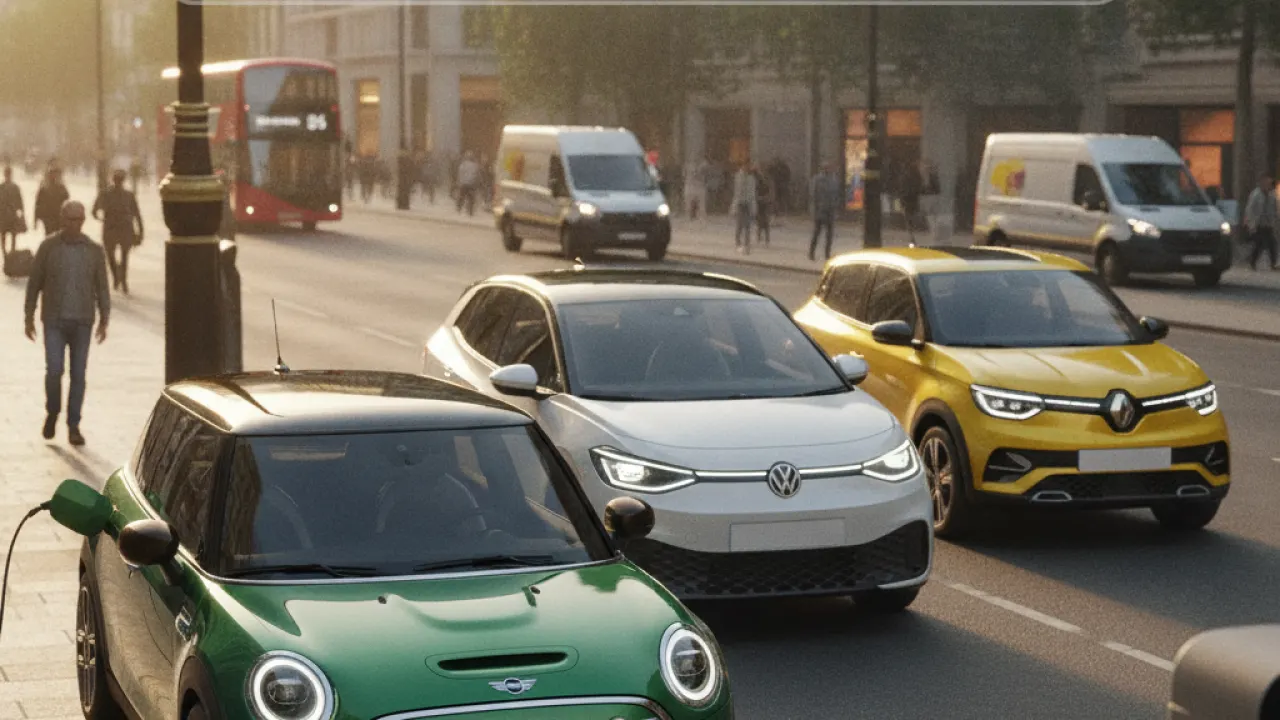
The second biggest trend, and the one with the largest dollar implications for consumers. Several mainstream electric vehicles in 2026 cost the same purchase price as comparable gas cars, before factoring in lower running costs.
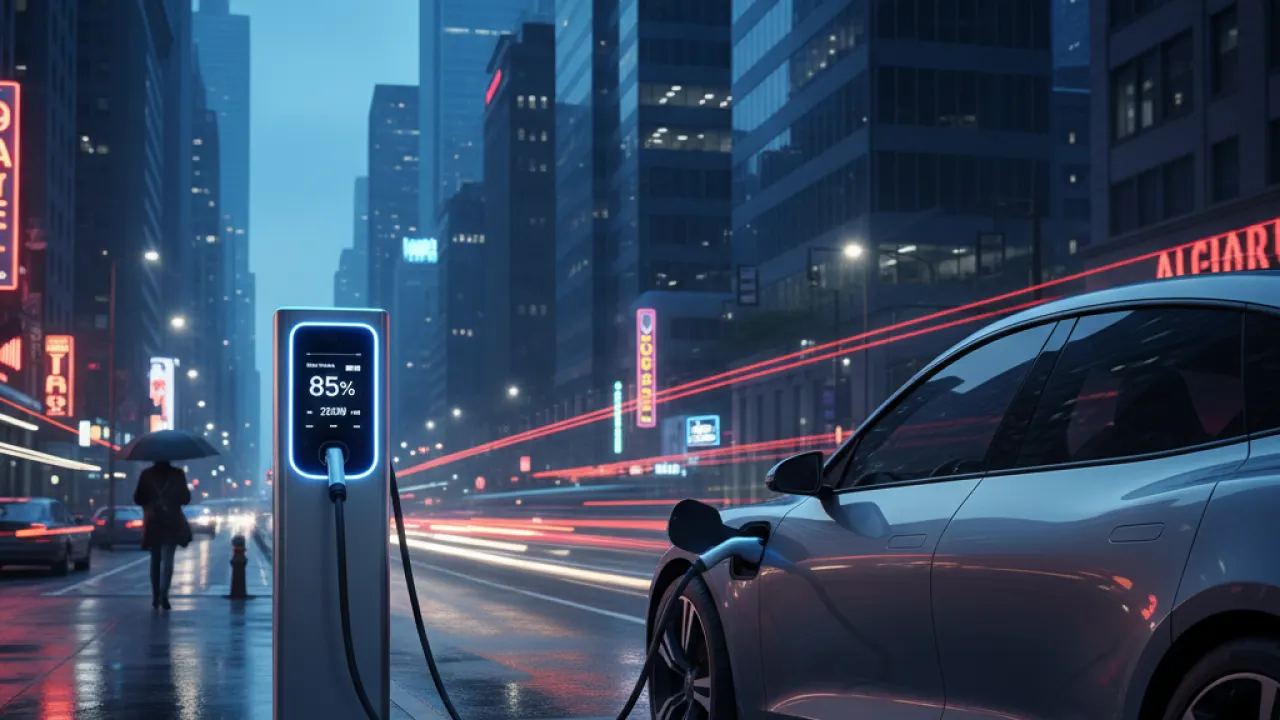
What changed. Battery costs dropped below $100 per kilowatt hour for the first time. Chinese manufacturers are exporting affordable EVs into global markets. US and European brands matched the price points to compete. The Tesla Model 2, BYD Seagull, and several others sell at $20K to $30K in major markets.
What it means for consumers. The total cost of ownership for an EV – purchase plus 5 years of fuel and maintenance – is now meaningfully lower than equivalent gas cars in most markets. The gas station habit is starting to die for new car buyers.
What’s still slowing adoption. Charging infrastructure varies. Apartment dwellers without home charging access still face friction. Range anxiety lingers despite improving range numbers. But 2026 is the inflection point where the price barrier disappears.
3. AR glasses finally ship to consumers
The trend the tech industry has been promising for a decade is shipping in 2026. Lightweight AR glasses from Apple, Meta, Samsung, and Snap all reached the consumer market this year. They look like normal glasses, weigh under 70 grams, and project basic information into the user’s view.
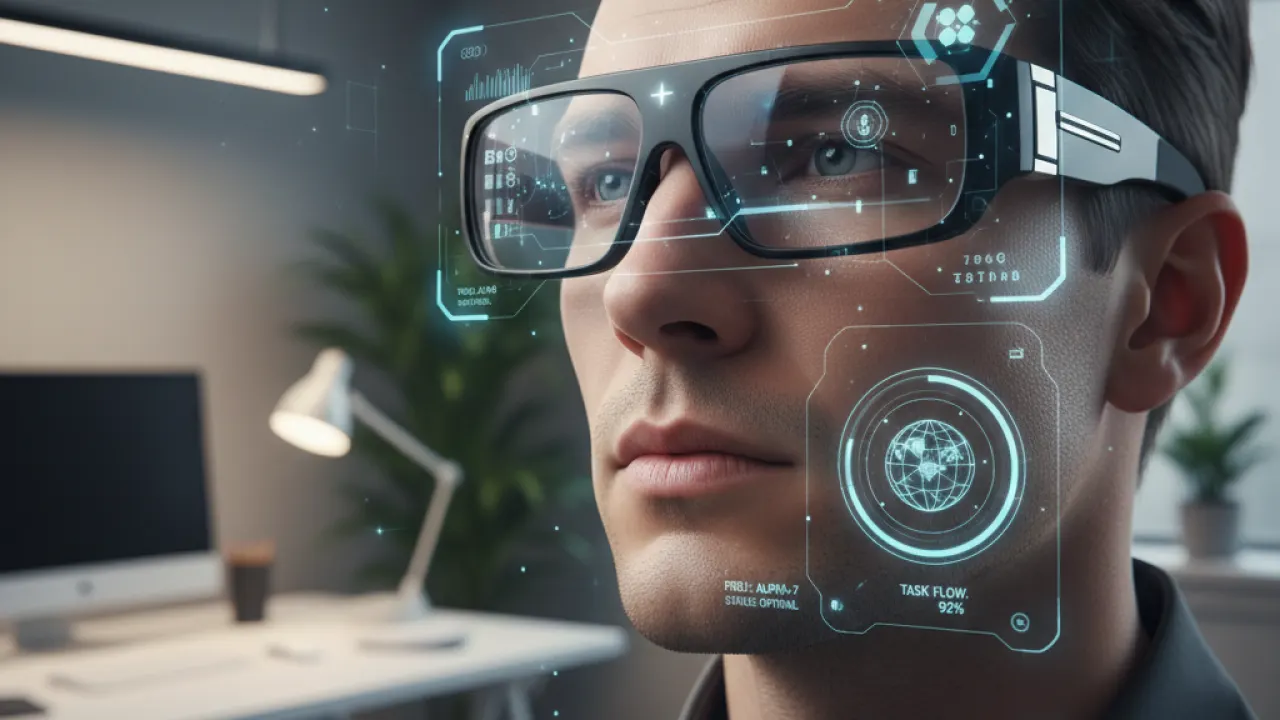
What’s different from previous attempts. Google Glass failed in 2014 because it looked terrible and creeped people out. The 2026 generation looks like regular eyewear. Battery life lasts a full day. Use cases are concrete – navigation directions, real time translation, hands free messaging, fitness data.
Realistic adoption. AR glasses won’t replace smartphones in 2026. They’ll become a complementary device for specific use cases. Sales numbers will be in the millions, not the hundreds of millions, by year end. But the category is finally real.
4. Robotics enters the home
The first practical home robots from companies like 1X, Figure, and Tesla are reaching early adopters in 2026. These are not vacuum cleaners. They’re humanoid robots that can do laundry, load dishwashers, fetch objects, and handle simple kitchen tasks.
The honest reality. The first generation is expensive ($30K to $80K), slow compared to humans, and limited to a small set of tasks. But the technology has crossed the threshold from research project to commercial product, and prices will drop fast over the next 3 to 5 years.
What it means today. Not much for most households. By 2028 to 2030, this trend transforms domestic work, eldercare, and warehouse jobs. 2026 is the year we see the first commercial products clearly.
5. Edge computing and 5G mature together
The 5G rollout that started in 2019 finally combines with edge computing in 2026 to enable real applications that low latency networks open. Real time language translation in glasses. Cloud gaming that works smoothly anywhere. Autonomous drones operating in dense urban areas.

What edge computing actually means. Processing happens close to the user rather than in distant data centres. This drops latency from 100 milliseconds to under 10 milliseconds, which unlocks real time applications that weren’t possible on older networks.
What this enables. Cloud rendered AR experiences. Better self driving handoff. Smart factory automation. Remote surgery and high precision telepresence. Most consumers won’t notice the underlying technology, but the apps built on it will be the trend’s visible side.
6. Home solar plus battery storage
The economics for residential solar with battery backup tipped in 2026. Panel costs are down 40 percent from 2022 levels. Battery costs dropped to $200 per kilowatt hour at the consumer level. Federal and state incentives in the US, plus parallel incentives in Europe, push the payback period to 6 to 9 years for most homes.
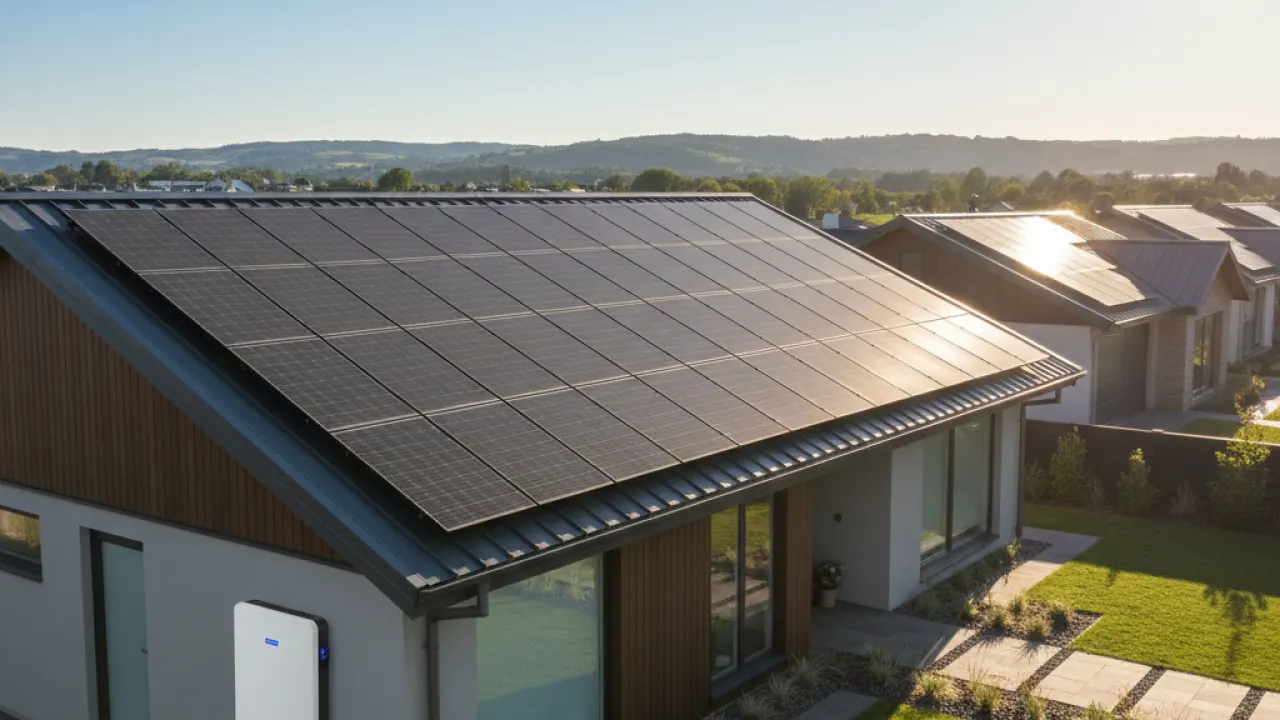
What it means for homeowners. The 25 year cost of electricity for a fully solar plus battery home is roughly half of grid electricity in most regions. Grid outages become non events because the battery covers them. Backup generators are obsolete for most use cases.
The friction. Upfront installation costs of $20K to $40K still require either savings or financing. Apartments and rentals can’t participate easily. But for homeowners, this is the year the financial case is hard to argue against.
7. Generative AI in creative industries
The fight between generative AI and human creative industries continues in 2026 but with more nuance than the 2024 panic. Major studios use AI for storyboarding, concept art, and pre visualisation. Production music libraries are largely AI generated now. Stock photography is becoming a low value commodity.
What survives. Premium human creativity. The high end of design, illustration, film, music, and writing remains human led, but with AI assistance. The Oscar winning film of 2026 will have used AI tools extensively in production but won’t have replaced the director, writer, or actors.
What’s commoditised. Stock photography, basic illustration, generic blog content, simple background music, template based design. Anyone competing in these spaces against AI loses on price. The pivot is upward into work that requires taste, judgment, and human signal.
8. Quantum computing reaches commercial threshold
Quantum computing has been a 10 years away technology for 30 years. In 2026, the first commercial applications crossed the threshold where they outperform classical computers on specific tasks – mostly in materials science, drug discovery, and certain optimisation problems.
The honest assessment. Quantum is still niche. It won’t run your laptop or affect your daily life in 2026. But the first companies using quantum to design new battery chemistries, new drug molecules, and new materials are getting commercial results in 2026.
What this means longer term. Several industries are 3 to 5 years away from quantum changing their R&D economics. Pharmaceuticals, energy materials, financial modeling, and certain encryption applications top the list.
9. The CRISPR therapy revolution
Gene editing therapies crossed from clinical trials into commercial treatment for the first major diseases in 2026. Sickle cell anaemia, beta thalassemia, and certain inherited blindness conditions now have FDA approved CRISPR therapies. Prices are still very high ($1M plus per patient) but coverage is expanding.
What’s next in the pipeline. Treatment for inherited heart disease. Some forms of cancer. Diabetes related conditions. The 2030s look very different for patients with previously untreatable genetic conditions.
The bioethics catching up. The technical capability has outpaced the regulatory and ethical frameworks in many countries. Expect more debate, more regulation, and uneven access globally as the decade progresses.
10. The slow death of the password
Passkeys, biometric authentication, and passwordless login finally hit broad adoption in 2026. Apple, Google, Microsoft, and the major banks all support passkeys natively. New account signups across most major sites default to passkeys rather than passwords.
What this means for users. Fewer security breaches caused by reused passwords. Faster login experiences. The end of password manager fatigue, eventually. The transition is messy because legacy systems still require passwords.
The cybersecurity flip side. Phishing attacks adapt. Social engineering becomes more sophisticated. AI generated voice and video impersonation creates new fraud vectors. Security teams have a different but equally challenging year.
The trends that didn’t make the list
Some popular trend topics got cut. The reasons.
Web3 and crypto. Real activity remains concentrated in stablecoins for cross border payments and a handful of finance use cases. The broader “Web3 future” pitch from 2021 to 2022 hasn’t materialised. It’s not a 2026 trend in any meaningful consumer sense.
The metaverse. Still mostly a niche gaming use case. The all encompassing virtual world vision keeps slipping further out. AR glasses are the real spatial computing trend, not VR headsets.
Self driving cars. Tesla, Waymo, and Cruise all made progress. But
3D printed everything. Still incremental progress, not transformative. Useful in specific industrial applications. Not a 2026 consumer trend. The top tech trends 2026 removes common barriers that stop people from starting.
he service, not yet a transportation revolution.3D printed everything. Still incremental progress, not transformative. Useful in specific industrial applications. Not a 2026 consumer trend.
How to actually use this list
Three practical applications.
If you’re a knowledge worker. Learn to use AI well. The gap between AI fluent and AI illiterate workers is widening fast. Spend 1 to 2 hours a week experimenting with the tools, not just using one when forced.
If you’re a homeowner or about to buy a car. The EV and solar economics changed enough in 2026 to merit a fresh look even if you ran the numbers two years ago. The math is different now.
If you’re a creative professional. Move up the value chain. Generic execution work in design, writing, illustration, and music is now done by AI for free. The premium tier where taste, judgement, and original thinking matter is where the income is.
For more on how to think about which technology investments actually pay off versus which are just hype, our piece on best personal finance tips for beginners covers the framework that helps separate productive spending from chasing trends.
The pace of change
Three closing observations about the 2026 tech scene.
The pace is faster than feels comfortable. Every major trend on this list compounds across multiple years. Falling 6 months behind in AI fluency, EV pricing knowledge, or home automation creates surprisingly large gaps later.
The hype cycle still rules announcements. Every new product announcement should be discounted by 50 to 70 percent until shipped products with real users prove the claims. The trends above passed that bar.
Local impact varies dramatically. Trends arrive in different markets at different speeds. The EV trend is far ahead in China and Norway, lagging in the US Midwest and most of Africa. The AI trend is most advanced in large companies and dense urban knowledge work. Adoption is uneven by design.
Final thoughts and your turn
Top 10 tech trends to watch in 2026 share one common thread. They’ve all crossed the threshold from “coming soon” to “actually shipping.” The pace of change isn’t slowing, but the noise around tech is starting to separate from the real shifts. The trends above are the real shifts.
Which of these 10 trends will have the biggest impact on your work or home this year? Drop a comment with your pick and why. Share the post with anyone in your circle who keeps asking “but is AI actually that big a deal?”.
For related guidance, see our guides on start an online business, best businesses to start, how to be a better person, best places in the US.
Frequently Asked Questions
What should beginners know about top tech trends 2026?
Beginners should start with the fundamentals rather than jumping to advanced features. Most technology tools are designed to be accessible, but taking time to understand the core concepts first saves frustration later. Look for official tutorials, reputable online courses, and community forums where you can ask questions as you learn.
How do I choose the right option for top tech trends 2026?
Start by clearly defining what you need the technology to do. Compare options based on your specific use case rather than just brand reputation or price. Read reviews from users with similar needs, check for compatibility with your existing devices and workflow, and look for options that offer good long-term support and regular updates.
How do I protect my privacy and security with top tech trends 2026?
Use strong, unique passwords for each account and enable two-factor authentication wherever possible. Keep software updated since updates often include important security patches. Be cautious about what permissions you grant apps and what data you share. Use reputable security software and avoid connecting to public WiFi networks without a VPN when handling sensitive information.
What are the most common problems with top tech trends 2026 and how do I fix them?
Most technology problems fall into a few common categories: performance issues (usually addressed by clearing cache, updating software, or freeing up storage), connectivity problems (often fixed by resetting network settings), and software conflicts (resolved by updating or reinstalling applications). Restarting devices resolves a surprising number of issues. When problems persist, the manufacturer’s support documentation is usually the best first resource.
Frequently Asked Questions
What should beginners know about top tech trends 2026?
Beginners should start with the fundamentals rather than jumping to advanced features. Most technology tools are designed to be accessible, but taking time to understand the core concepts first saves frustration later. Look for official tutorials, reputable online courses, and community forums where you can ask questions as you learn.
How do I choose the right option for top tech trends 2026?
Start by clearly defining what you need the technology to do. Compare options based on your specific use case rather than just brand reputation or price. Read reviews from users with similar needs, check for compatibility with your existing devices and workflow, and look for options that offer good long-term support and regular updates.
How do I protect my privacy and security with top tech trends 2026?
Use strong, unique passwords for each account and enable two-factor authentication wherever possible. Keep software updated since updates often include important security patches. Be cautious about what permissions you grant apps and what data you share. Use reputable security software and avoid connecting to public WiFi networks without a VPN when handling sensitive information.
What are the most common problems with top tech trends 2026 and how do I fix them?
Most technology problems fall into a few common categories: performance issues (usually addressed by clearing cache, updating software, or freeing up storage), connectivity problems (often fixed by resetting network settings), and software conflicts (resolved by updating or reinstalling applications). Restarting devices resolves a surprising number of issues. When problems persist, the manufacturer’s support documentation is usually the best first resource.
Follow the top tech trends 2026 for the full period to see real results.
The top tech trends 2026 scales as you get more experienced.
Sticking to the top tech trends 2026 matters more than any single step.
The top tech trends 2026 gives you a clear structure every week.
Use the top tech trends 2026 as your base and adjust it to your level.
Many people find the top tech trends 2026 easier to follow than complex alternatives.
Results from the top tech trends 2026 come from repetition, not perfection.
Keep the top tech trends 2026 simple and focus on showing up consistently.
The top tech trends 2026 works when you follow it consistently.
This guide shows you how the top tech trends 2026 fits real life.
Start with the basics of the top tech trends 2026 and build from there.
The top tech trends 2026 removes common barriers that stop people from starting.
Follow the top tech trends 2026 for the full period to see real results.
The top tech trends 2026 scales as you get more experienced.
Sticking to the top tech trends 2026 matters more than any single step.
The top tech trends 2026 gives you a clear structure every week.
Use the top tech trends 2026 as your base and adjust it to your level.
Many people find the top tech trends 2026 easier to follow than complex alternatives.
Results from the top tech trends 2026 come from repetition, not perfection.
Keep the top tech trends 2026 simple and focus on showing up consistently.
The top tech trends 2026 works when you follow it consistently.
This guide shows you how the top tech trends 2026 fits real life.
Start with the basics of the top tech trends 2026 and build from there.
The top tech trends 2026 removes common barriers that stop people from starting.
Follow the top tech trends 2026 for the full period to see real results.
The top tech trends 2026 scales as you get more experienced.
Sticking to the top tech trends 2026 matters more than any single step.
The top tech trends 2026 gives you a clear structure every week.
Use the top tech trends 2026 as your base and adjust it to your level.
Many people find the top tech trends 2026 easier to follow than complex alternatives.