


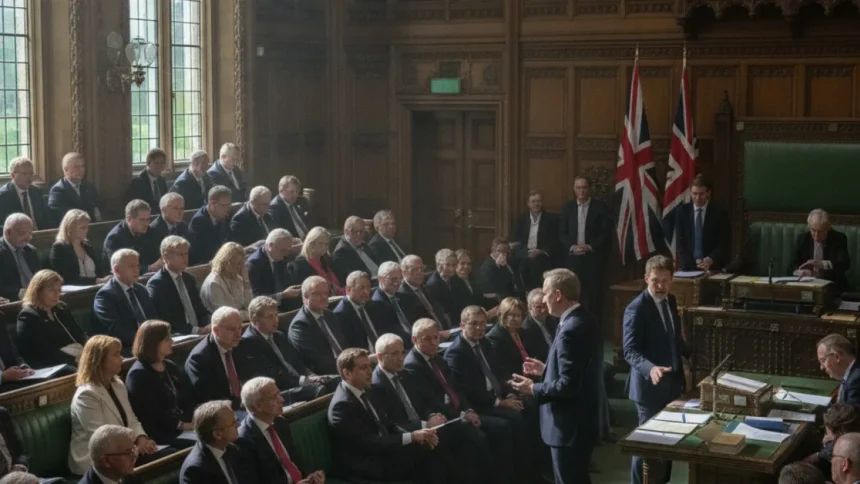
UK Labour Party policies in 2026 are reshaping daily life for millions of people across England, Wales, and Scotland. Since winning the 2024 general election with the biggest parliamentary majority in decades, Labour has moved quickly on housing, health, energy, and workers rights. This guide breaks down exactly what they are doing and what it means for you.
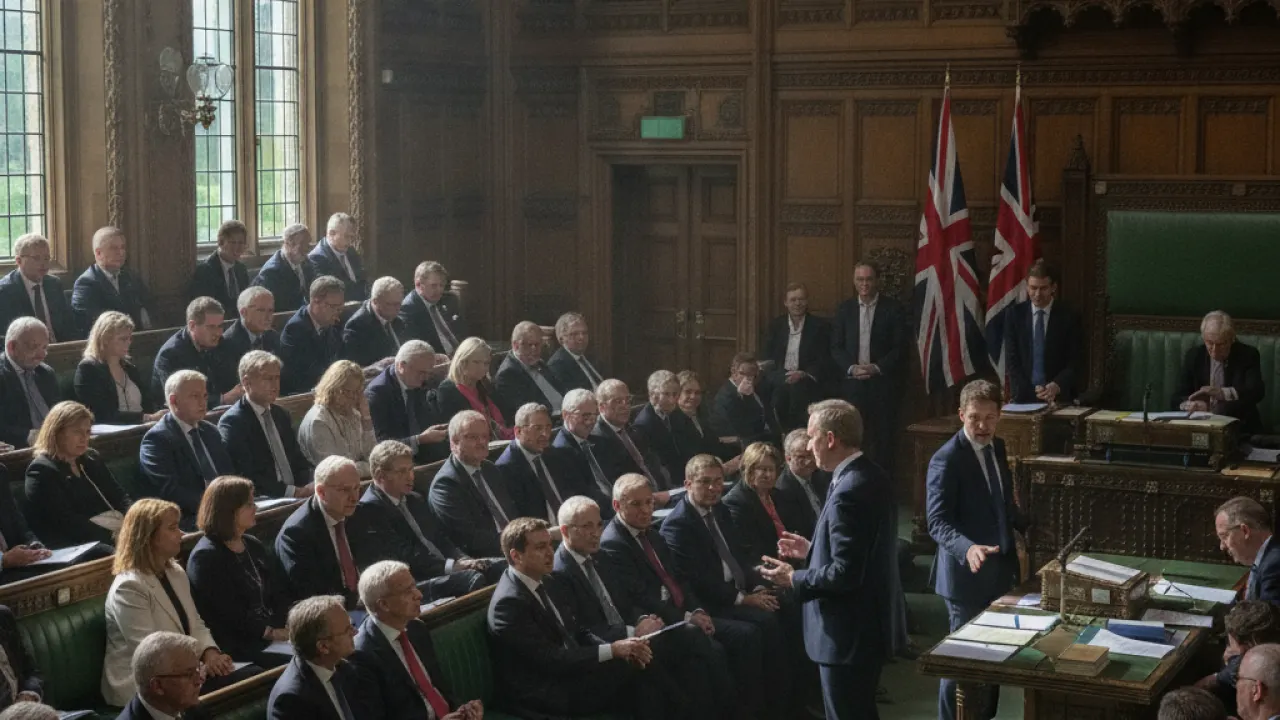
What Are the Main UK Labour Party Policies in 2026?
Labour came to power promising change after 14 years of Conservative government. The question for most people is whether that change has actually arrived. The honest answer is: some of it has. Some policies are fully in motion. Others are still promises on paper. And a few have been quietly scaled back since the election.
The six areas where UK Labour Party policies are most visible right now are:
- NHS reform and health investment
- Housing and planning
- Workers rights and employment law
- Clean energy and the environment
- Education and schools funding
- Benefits and welfare reform
Each of these areas is examined in detail below. The goal is to give you a clear picture of what Labour has actually done, what is in progress, and what remains uncertain. For more background, see Wikipedia reference.
Labour NHS Policy: Funding, Waiting Times, and Reform
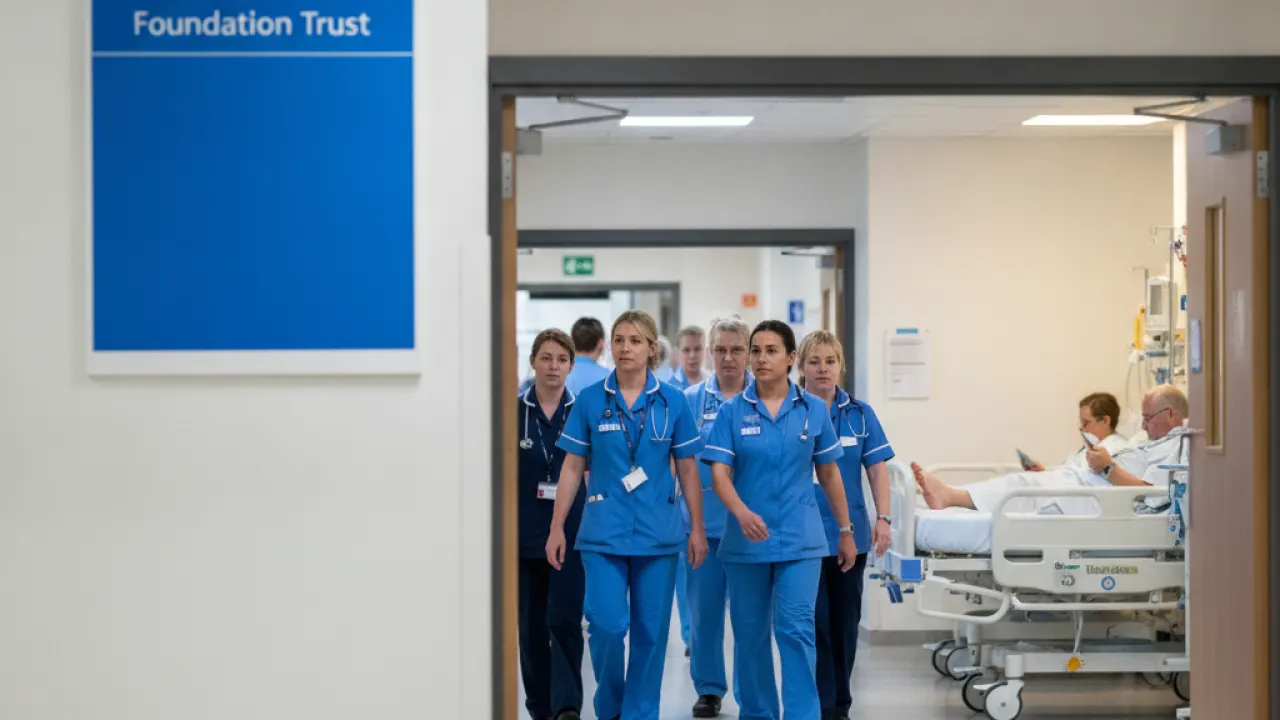
The NHS is the centrepiece of UK Labour Party policies in 2026. The government has committed to the biggest investment in NHS staffing and infrastructure in a generation. The headline figure is 40,000 extra NHS appointments per week, delivered through a combination of new staff, longer opening hours, and increased use of community health settings.
In practice, this means GP surgeries in England are being pushed to offer more evening and weekend slots. NHS waiting lists, which hit record highs under the previous government, have been a major focus. Labour has set a legal target of reducing the maximum wait for elective treatment to 18 weeks by the end of this parliament.
The NHS workforce plan, inherited from the Conservatives but extended under Labour, commits to training 60,000 more nurses and 28,000 more doctors over the next decade. Labour has added a new NHS Neighbourhood Health Service, which moves some services out of hospitals and into community centres and GP hubs.
Mental Health and Dental Care
Mental health has received separate attention under Labour health policies. The plan includes 8,500 more mental health workers and a new Young Futures programme targeting teenagers with mental health support in schools and communities. If you or someone you know has been on a waiting list for CAMHS, this is the policy area to watch.
Dental care is also included. Labour has introduced new dental contract reforms designed to increase NHS dentist availability. Many areas of England have had no NHS dentist places for years. The reforms aim to change the payment structure to make NHS work more financially worthwhile for dentists.
Labour Housing Policy: Building More Homes

UK Labour Party policies on housing are some of the most ambitious in decades. The government has set a target of 1.5 million new homes over this parliament. To achieve that, they have made big changes to the planning system, which many in the sector say was a key barrier under previous governments.
The National Planning Policy Framework (NPPF) was updated in early 2025 to restore mandatory housing targets for councils. Local authorities who fail to build enough homes can now face intervention. Green belt land has been reclassified in some areas, with a new grey belt category that allows development on lower-quality green belt sites near transport links.
Councils are also being given more power to build social housing directly. Labour has expanded the Affordable Homes Programme and changed rules around Right to Buy to stop social housing stock being depleted faster than it is replaced. If you are on a council housing waiting list or considering Right to Buy in the UK, these changes directly affect your options.
Renters Rights Act
For the 11 million people renting privately in the UK, the Renters Rights Act is the biggest change Labour has made to housing law. The Act abolishes Section 21 no-fault evictions, meaning landlords can no longer evict tenants without a legal reason. This is something successive governments promised but never delivered.
The Act also introduces a new private rented sector database, tougher standards for property condition, and stronger rules around rent increases. Landlords must now give proper notice before raising rent, and tenants can challenge increases they believe are unreasonable through a new tribunal process.
If you are currently renting or thinking about renting, the practical effect is more security of tenure. You cannot be evicted just because your landlord wants the property back. For more detail, the guide to renting in the UK covers the full process.
Workers Rights: The Employment Rights Bill

The Employment Rights Bill is the most important piece of UK Labour Party policy on work since the 1990s. It covers a wide range of areas and most of it directly affects employees and employers across all sectors.
The key changes are:
- Day-one unfair dismissal rights – previously workers had to wait two years before they could claim unfair dismissal. Under Labour, this protection applies from the first day of employment.
- Statutory sick pay reform – SSP will be payable from day one of illness rather than day four, and the lower earnings limit will be removed so more low-paid workers qualify.
- Zero-hours contract reform – workers on zero-hours contracts will have the right to request a guaranteed-hours contract based on their regular hours over a 12-week reference period.
- Flexible working as default – all jobs must now be advertised as flexible where possible, and employers must have a legitimate reason to refuse a flexible working request.
- Trade union access – new rights for unions to organise in workplaces, with simpler rules around industrial action ballots.
- Fire and rehire ban – Labour has banned the practice of firing workers and rehiring them on worse terms, something that became notorious during the pandemic.
- Equal pay audits – larger employers must publish more data on ethnicity and disability pay gaps alongside gender pay gap reporting.
The National Living Wage has also risen under Labour. The April 2025 increase took the minimum wage for workers aged 21 and over to 12.21 pounds per hour. Further increases are planned in line with the Low Pay Commission recommendations.
Impact on Small Business Owners
The Employment Rights Bill has been controversial with small business groups. The Federation of Small Businesses argued that day-one unfair dismissal rights will make employers more cautious about hiring. Labour argues that a stable, secure workforce is more productive in the long run. Businesses with under 250 employees have been given longer to comply with some provisions, and there is a new Small Business Commissioner with more powers to help resolve disputes quickly.
Labour Energy Policy: Great British Energy and Clean Power

UK Labour Party policies on energy centre on one big idea: decarbonise the electricity grid by 2030. That is an ambitious target given that the UK still generates a portion of its electricity from gas. But the structural pieces are being put in place.
Great British Energy (GBE) is a new publicly owned energy company set up by Labour to co-invest in clean energy projects alongside the private sector. It has been given an 8.3 billion pound capitalisation. GBE will take equity stakes in offshore wind, solar, tidal, and nuclear projects to accelerate development.
The ban on new North Sea oil and gas exploration licences is another flagship policy. This is controversial in Scotland where the offshore energy industry is a major employer. Labour argues the existing fields will continue operating for decades and that the transition to clean energy will create more jobs than are lost.
The impact of this Labour agenda on climate also connects to the broader environmental goals. Labour has reversed the previous government position on several key environmental protections. The UK has set legally binding carbon budgets that require emissions reductions across transport, heating, and industry.
Energy Costs for Households
The energy bill most people care about is their own. The Warm Homes Plan allocates 13.2 billion pounds over this parliament for home insulation upgrades, heat pumps, and solar panels. If your home is poorly insulated (EPC rating D or below), you may be able to get free or subsidised upgrades through your local council.
The Energy Price Cap remains in place and is reviewed quarterly by Ofgem. Labour has not abolished the cap but has made changes to how it operates to give consumers more predictability. Smart meter rollout has been accelerated, with a new requirement for energy suppliers to offer smart tariffs that allow cheaper overnight charging for electric vehicles.
Labour Education Policy: Schools, Teachers, and Skills

Education is a core part of UK Labour Party policies, with a focus on narrowing the gap between state and private schools. The most debated policy in this area has been the removal of the VAT exemption from private school fees, which added 20% VAT to independent school fees from January 2025.
The money raised, estimated at 1.5 to 1.8 billion pounds per year, is being directed into state schools, primarily to fund 6,500 new teachers. Labour has set a target of recruiting and retaining this number by the end of parliament, with improved starting salaries and a new teacher training bursary program.
Free school meals have been expanded. All primary school children in England now receive a free school meal, extending the previous policy that only covered reception to Year 2. This was one of the first policies enacted after the election and has been broadly welcomed across the political spectrum.
Skills England and Further Education
Beyond schools, Labour has launched Skills England, a new national body that works with employers and colleges to align training with labour market needs. The old apprenticeship levy has been replaced with a Growth and Skills Levy that allows employers more flexibility in how they use the funding, including for shorter courses and modular qualifications.
T-Levels, the technical qualifications introduced by the previous government, have been kept and expanded. Labour is also investing in further education colleges, which were cut heavily during the austerity years. The GCSE and A-Level system remains unchanged, though a review of assessment methods is underway.
Benefits and Welfare: What Labour Has Changed
Labour welfare policies have been more contentious than many expected. The party came to power with a commitment to make the benefits system more humane, but has also faced pressure to reduce the welfare bill, which has grown since the pandemic.
The main changes made so far include:
- Two-child benefit limit – Labour initially kept the Conservative two-child limit on Child Tax Credit and Universal Credit, then faced a rebellion from its own MPs. A review is now underway, but as of mid-2026, the limit has not been abolished.
- PIP assessment reform – the Personal Independence Payment assessment process is being overhauled. The government has committed to making assessments less adversarial and more focused on long-term conditions.
- Universal Credit adequacy – Labour has not increased the basic rate of Universal Credit above inflation, which has disappointed many anti-poverty campaigners. The five-week wait for first payment remains in place.
- Disability employment support – new work-coach support and an expanded Access to Work fund are helping disabled people into employment.
If you are navigating the benefits system, the complete guide to claiming UK benefits in 2026 walks through the current rules for each payment type.
Labour Tax Policy: Who Pays More?
Labour tax policy has stayed broadly within the parameters set during the election campaign. The key commitments were no increases to income tax rates, National Insurance for employees, or VAT. Those commitments have been kept.
What has changed is employer National Insurance, which rose from 13.8% to 15% from April 2025. The threshold at which employers start paying fell from 9,100 pounds to 5,000 pounds. This has been the most commercially important tax change for businesses and has contributed to higher costs for part-time workers.
Capital gains tax rates were increased in the October 2024 Budget, with the basic rate rising from 10% to 18% and the higher rate from 20% to 24%. If you are thinking about how taxes affect your savings and investments, it helps to understand income tax rates in the UK alongside these capital gains changes.
Inheritance tax rules have also changed for pension pots. From April 2027, unused pension funds will count as part of your estate for inheritance tax purposes, closing a loophole that allowed wealthy people to pass on pension savings tax-free. This matters a lot for long-term financial planning, and it interacts with the rules around saving for retirement in the UK.
What Has Labour Not Delivered Yet?
It is worth being honest about the areas where progress has been slower or promises have been watered down.
The government growth agenda has not yet produced the headline growth numbers it hoped for. Economic growth in 2025 was lower than forecast, and some of the early business investment that Labour expected to generate has not materialised at the expected scale.
The reform of the House of Lords, while begun with the removal of hereditary peers, has not produced a fully elected second chamber as some in the party wanted. Social care reform, one of the most urgent domestic problems, has seen initial steps but no wide settlement yet.
Immigration numbers remain a political pressure point. Labour committed to reducing net migration, and while student visa rules and international care worker recruitment have been tightened, overall net migration figures remain high.
The two-child benefit cap remains in place despite loud internal opposition. The welfare cuts announced in the Spring 2025 Statement, particularly the tightening of PIP eligibility, caused one of the biggest backbench rebellions of Labour first year in government.
Frequently Asked Questions
What is the
The UK Labour Party policies is a structured approach designed to give clear, actionable steps that produce reliable results over time.
How do I start with the
Begin with the foundation steps, focus on consistency, and build intensity gradually as the plan progresses.
How long does the UK Labour Party policies take to work?
Most people notice initial improvements within a few weeks, with more meaningful results appearing after 8 to 12 weeks of consistent effort.
Is the UK Labour Party policies suitable for beginners?
Yes. The UK Labour Party policies is designed to be accessible, with progressions and modifications that let anyone start at their current level.
What are the main mistakes to avoid with the
Common mistakes include skipping the foundation phase, expecting overnight results, and not tracking progress consistently.
Key UK Labour Party Policies: Numbers at a Glance
- 1.5 million – new homes targeted by end of parliament
- 40,000 – extra NHS appointments per week
- 6,500 – new teachers to be recruited
- 8.3 billion pounds – Great British Energy capitalisation
- 13.2 billion pounds – Warm Homes Plan total funding
- 8,500 – new mental health workers planned
- 12.21 pounds – National Living Wage per hour from April 2025
- 15% – employer National Insurance rate from April 2025
- 2030 – target year for clean electricity grid
- 11 million – private renters now protected by the Renters Rights Act
Which UK Labour Party policy matters most to your household right now? Is it the NHS waiting times, housing costs, energy bills, or the new workers rights protections? Let us know in the comments below.
The UK Labour Party policies works when you follow it consistently.
This guide shows you how the UK Labour Party policies fits real life.
Start with the basics of the UK Labour Party policies and build from there.
The UK Labour Party policies removes common barriers that stop people from starting.
Follow the UK Labour Party policies for the full period to see real results.
The UK Labour Party policies scales as you get more experienced.
Sticking to the UK Labour Party policies matters more than any single step.
The UK Labour Party policies gives you a clear structure every week.
Use the UK Labour Party policies as your base and adjust it to your level.
Many people find the UK Labour Party policies easier to follow than complex alternatives.
Results from the UK Labour Party policies come from repetition, not perfection.
Keep the UK Labour Party policies simple and focus on showing up consistently.
The UK Labour Party policies works when you follow it consistently.
This guide shows you how the UK Labour Party policies fits real life.
Start with the basics of the UK Labour Party policies and build from there.
The UK Labour Party policies removes common barriers that stop people from starting.
Follow the UK Labour Party policies for the full period to see real results.
The UK Labour Party policies scales as you get more experienced.
Sticking to the UK Labour Party policies matters more than any single step.
The UK Labour Party policies gives you a clear structure every week.
Use the UK Labour Party policies as your base and adjust it to your level.
Many people find the UK Labour Party policies easier to follow than complex alternatives.