

Now Reading: How to Stay Productive When You Have No Motivation
-
01
How to Stay Productive When You Have No Motivation

Motivation comes and goes. Learn how to stay productive even on the days when you do not feel like doing anything. These methods work without willpower.
Some days, you just do not feel like doing anything. You stare at your to-do list. You open a tab and close it. You check your phone for the third time in five minutes. Sound familiar?
The truth is, motivation is not reliable. It comes and goes. Waiting for it to show up is one of the biggest reasons people fall behind on their goals. If you want to know how to be productive, you have to stop depending on motivation and start building systems instead.
This guide gives you real, practical strategies that work even on your worst days. No hype. No vague advice. Just things you can actually do.

Why Motivation Fails You
Motivation feels great when you have it. But it is driven by emotion, and emotions change. You might feel pumped on Monday and completely drained by Wednesday. That is normal. The problem is that most people build their productivity around how they feel, not around what they have decided to do.
Research published in the British Journal of General Practice found that action often comes before motivation, not after. You do not need to feel like doing something to start doing it. Starting creates the feeling, not the other way around.
This is where behavioral momentum comes in. Once you take one small action, your brain gets a signal that something is happening. It is easier to keep going than it was to start. This is why your first task of the day matters so much.
The Problem with Willpower
Most productivity advice tells you to push harder, want it more, or just get it done. But willpower is a limited resource. Studies from Stanford University show that decision fatigue is real. The more choices you make in a day, the worse your later decisions get.
Relying on willpower to get things done is like relying on a phone battery that runs out by noon. You need a system that works even when the battery is low.
Start Smaller Than You Think You Should
This is the single most important shift you can make. When motivation is low, the size of the task feels huge. Even a simple email can feel overwhelming. The fix is not to try harder. It is to make the task smaller.
This is the concept of minimum viable effort. Instead of trying to write a full report, you just open the document. Instead of going for a 30-minute run, you just put on your shoes. The goal is to remove the barrier to starting.
Once you have started, you will often keep going. But even if you do not, you still did something. And something beats nothing every time.
The Two-Minute Rule
If a task takes less than two minutes, do it right now. Do not add it to a list. Do not think about it. Just do it. This clears mental clutter and builds the habit of taking action without overthinking.
For bigger tasks, set a timer for just two minutes and commit to working on them for that time only. Most people end up working well past the two minutes because starting was the hardest part.
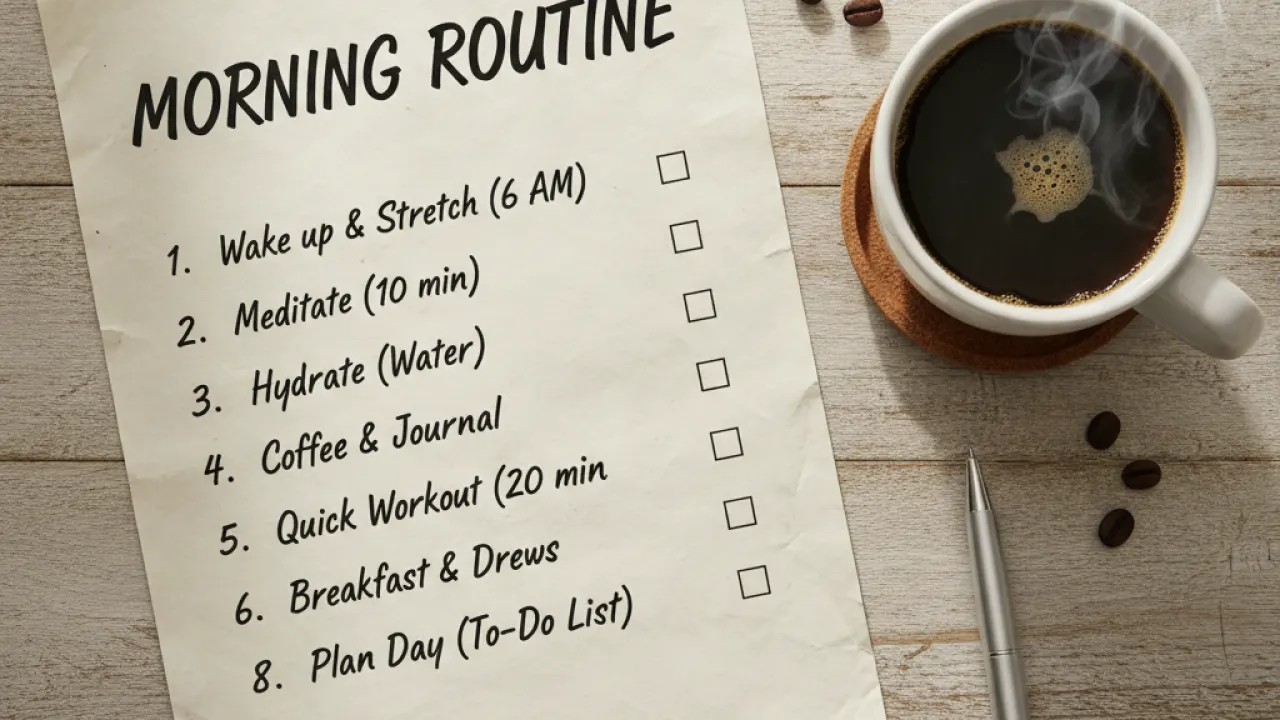
Build a Morning Routine That Does Not Rely on Feeling Good
Your morning routine should work on your worst days, not just your best ones. If your routine requires you to feel energized or motivated, it will fall apart exactly when you need it most.
Keep it simple. Here is what a low-motivation morning routine might look like:
- Wake up at the same time every day
- Drink a glass of water
- Do five minutes of light movement
- Write down three things you need to get done today
- Start the first task before checking your phone
That is it. No 90-minute routine. No journaling, meditation, cold shower, and podcast combo. Just a handful of actions that are easy to follow through on even when you are tired or in a bad mood.
The key is that this routine uses habit stacking, which means linking each action to the one before it. Water after waking. Movement after water. Writing after movement. Each habit triggers the next, so you do not have to decide what to do at each step. You just follow the chain.
If you want more structure on how to kick off your day right, our guide on productivity hacks to get more done covers morning tactics in more depth.
Design Your Environment for Low-Motivation Days
Your environment shapes your behavior more than you think. If your desk is covered in clutter, your brain sees chaos. If your phone is within reach, you will check it. If your snacks are visible, you will eat them. This is not a willpower problem. It is an environment problem.
Environment design means arranging your physical and digital space so that doing the right thing is the easiest option.
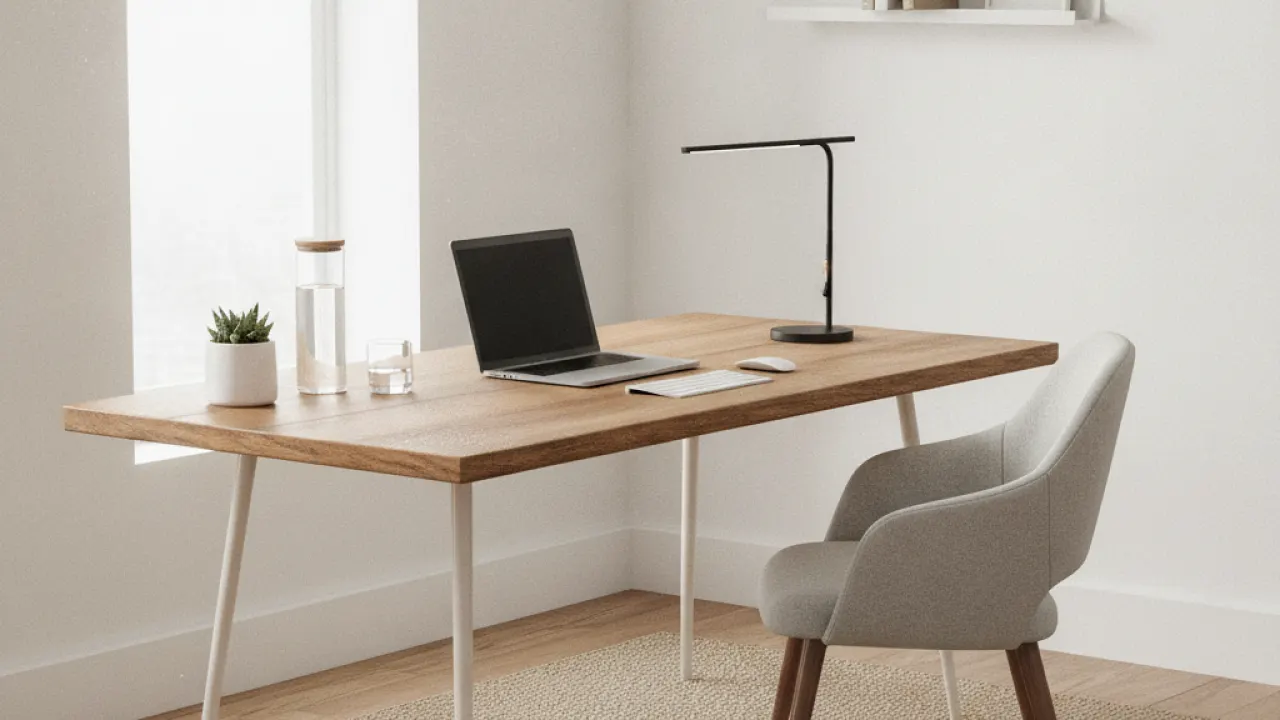
Simple Environment Changes That Help
- Put your phone in another room or use app blockers during work sessions
- Clear your desk of everything except what you need for the current task
- Keep your to-do list visible, not buried in an app
- Set up your laptop the night before so you can start without setup friction
- Use a dedicated workspace, even if it is just one corner of a room
These small changes reduce the number of decisions you have to make. Fewer decisions means less drain on your mental energy. And on low-motivation days, mental energy is exactly what you are trying to protect.
If you work from home, you might face extra challenges with focus. Check out our tips on remote work and how to improve focus for environment-specific advice.
Use Time Blocking to Remove Decision Fatigue
One of the biggest drains on your energy is deciding what to work on. When you sit down with no plan, you waste time figuring out what to do next. That wastes energy and invites procrastination.
Time blocking solves this. You assign specific tasks to specific time slots in advance. When 10am arrives, you do not wonder what to do. You already know. You just start.
Here is how to set it up:
- At the end of each day, write down your three most important tasks for tomorrow
- Assign each task to a time block in your calendar
- Add buffer time between blocks for breaks and overflow
- Treat time blocks like meetings you cannot skip
This system also helps you be realistic about what you can actually get done in a day. Most people overestimate their daily capacity and then feel bad when they do not finish their list. Time blocking forces you to choose.
Try the Pomodoro Technique on Hard Days
When focus feels impossible, working in short bursts helps. The Pomodoro Technique breaks work into 25-minute sessions followed by a 5-minute break. After four sessions, you take a longer break of 15 to 30 minutes.
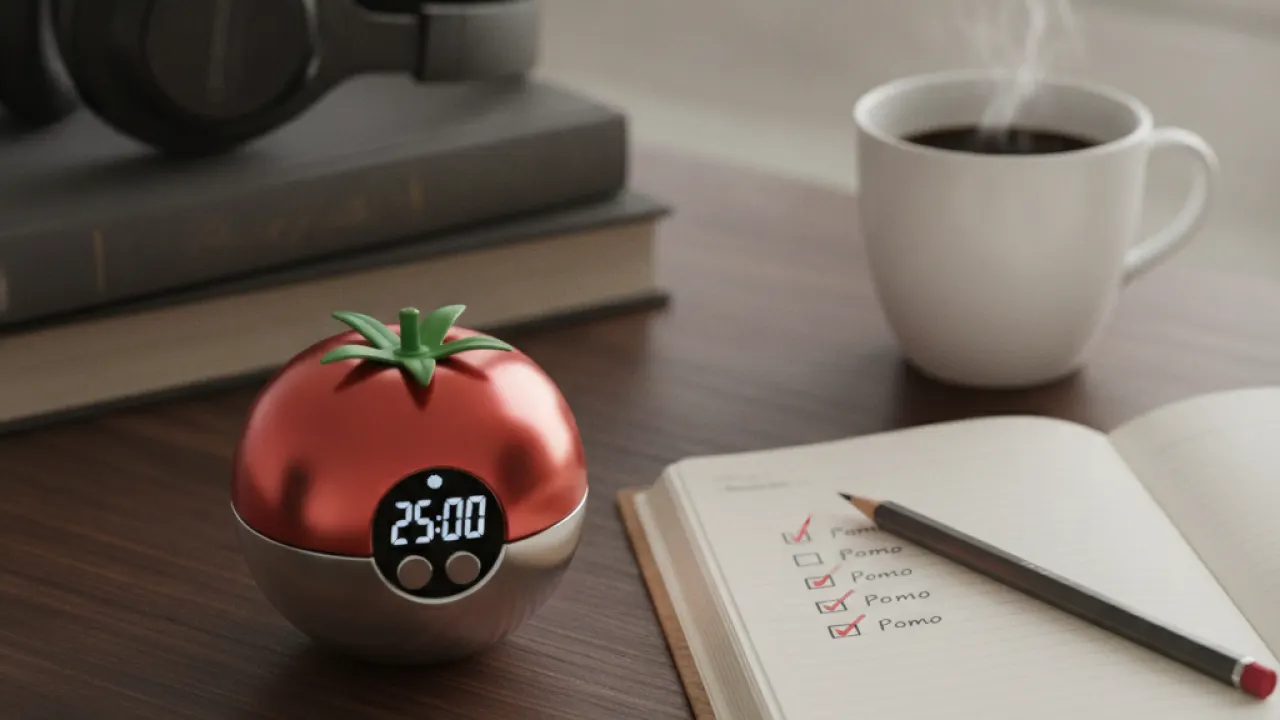
Why does this work? Because 25 minutes feels manageable. You are not committing to hours of focused work. You are just committing to 25 minutes. That is something your low-motivation brain can agree to.
The timer also creates a sense of urgency. When you know you only have 25 minutes, you are less likely to drift into checking email or scrolling social media. The deadline, even a self-imposed one, sharpens your attention.
How to Use Pomodoro When You Are Really Struggling
If even 25 minutes sounds like too much, scale it down. Start with 10 minutes. Or 5. The number does not matter as much as the habit of starting. Once you have done a few short sessions, your brain often shifts into a more focused state and you can extend the time.
The point is to get moving. Behavioral momentum does the rest.
Identify Your High-Energy Hours
Not all hours are equal. Most people have a peak window when their mind is sharpest. For many, it is the first two to three hours after waking. For others, it is mid-morning or even late afternoon.
Figure out when your energy is naturally highest and protect that time for your most important work. Do not schedule meetings, check emails, or do admin during that window. Save those for your lower-energy hours.
This is not about working more. It is about working smarter by matching the task difficulty to your mental state. A cognitively demanding task done in your peak hours takes far less effort than the same task done when you are tired.
Use Reward Systems to Reinforce Action
Your brain responds to rewards. When you finish a task and get something good, even something small, you are more likely to repeat that behavior. This is the basis of reward systems in habit formation.

Simple Reward Ideas That Work
- A cup of your favorite coffee after completing a hard task
- A 10-minute walk after finishing a work session
- An episode of a show after hitting your daily word count
- Checking off a task on your list (the satisfaction is real)
The key is to keep the reward proportional and immediate. Your brain needs to connect the action to the reward quickly for it to work. Saving a big reward for the end of the week is too far away to influence behavior today.
You can also use visual cues. A simple paper checklist where you physically cross things off activates the reward center of your brain. It is a small thing, but it works. Many people find that the act of crossing something off their list gives them enough of a boost to move on to the next item.
If you struggle with procrastination on specific tasks, our article on how to stop procrastinating goes deeper into the psychology behind avoidance and how to break through it.
Build Identity-Based Habits
Most people set goals based on outcomes. They want to lose weight, write a book, or earn more money. But outcome-based goals are fragile. When you do not feel motivated, there is no internal pull toward the goal.
Identity-based habits work differently. Instead of saying I want to finish this project, you say I am the kind of person who gets things done. Instead of I need to exercise, you say I am a person who moves their body every day.
This shift matters because your actions follow your identity. When you see yourself as a productive person, taking productive action feels consistent with who you are. When motivation drops, your identity keeps you going.
How to Build Your Productive Identity in 2026
- Write down the type of person you want to be, not the outcomes you want
- Take one small action each day that matches that identity
- Track those actions so you can see the evidence building up
- Acknowledge your wins, even the small ones
Every time you sit down and do the work, even for 10 minutes, you are casting a vote for that identity. Over time, those votes add up. You do not become productive by having a big day once in a while. You become productive by showing up in small ways, consistently.
Track Your Habits to Stay on Course
What gets measured gets managed. Habit tracking is one of the most reliable ways to stay consistent because it creates a visual record of your progress. Seeing a streak builds the drive to keep it going.
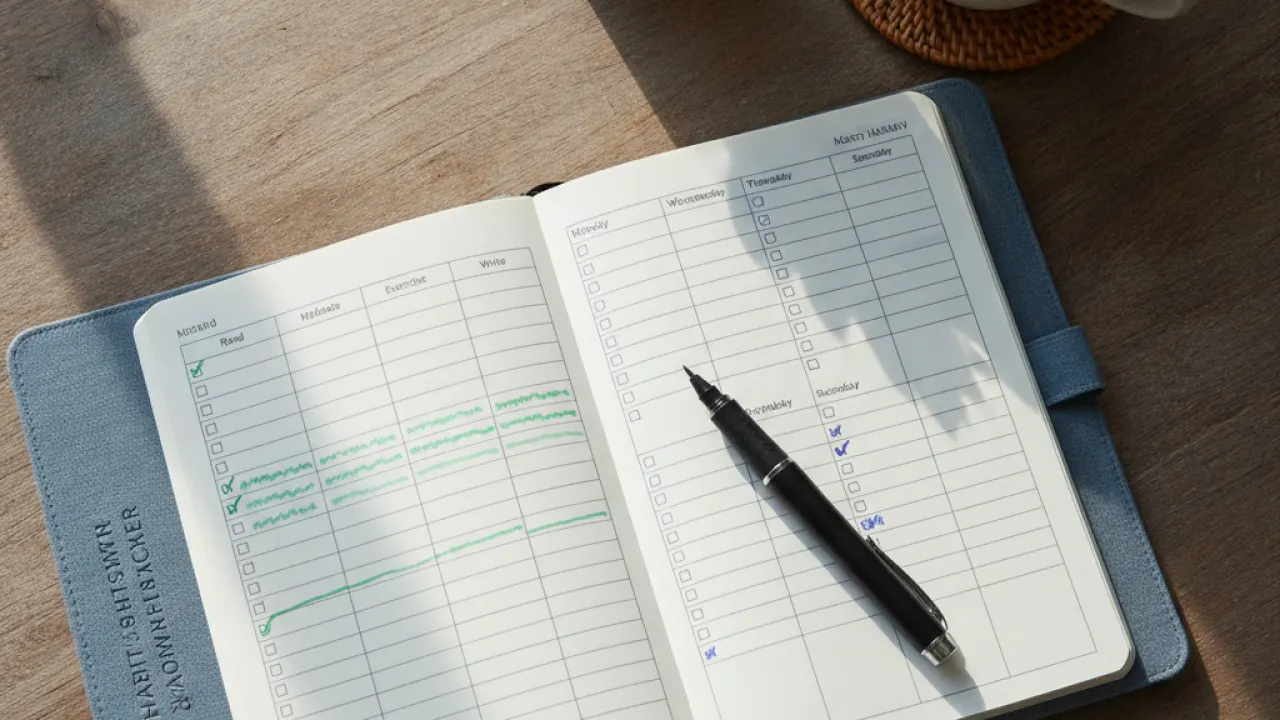
You do not need a fancy app. A paper journal with a monthly grid works just as well. Mark each day you complete your habit. Try not to break the chain.
What to Track
- Daily deep work sessions completed
- Most important task finished
- Sleep and wake time
- Exercise or movement
- Time spent on distracting apps
You do not need to track everything. Pick two or three habits that matter most to your productivity. More than five becomes overwhelming and defeats the purpose.
Tracking also helps you spot patterns. You might notice that you are least productive on days after poor sleep. Or that your focus drops sharply after lunch. This data helps you plan your schedule around your actual patterns, not an idealized version of yourself.
Stop Aiming for Perfect Days
Perfectionism kills productivity. When you believe that the only acceptable outcome is a perfect, fully productive day, you set yourself up to give up every time things go slightly wrong.
Real productivity is not about perfect days. It is about enough days. A day where you did two out of five tasks is still a productive day. A morning where you worked for 30 minutes instead of three hours still counts.
The goal is to not let a slow start become a full stop. If you miss the morning, you can still do something in the afternoon. If you did not finish the report, you can finish it tomorrow. Progress is not linear, and that is okay.
This mindset is especially important when you are learning how to be productive at work, where interruptions and unexpected tasks are part of the deal. Our guide on how to be productive at work covers how to adapt your system to real office and hybrid environments.
Tackle Your Most Dreaded Task First
Brian Tracy coined the phrase eat the frog, which means tackling your most dreaded task at the start of your day. If you can do the thing you least want to do when your energy is freshest, everything else feels easy by comparison.
This approach reduces the mental weight you carry throughout the day. When a hard task sits on your list undone, it takes up mental space. You think about it. You dread it. It drains you even when you are not working on it. Getting it done early frees your mind for everything else.
To make this work, identify your frog the night before. Write it down as the first item on the next day list. When you start your day, go straight to it before checking email or anything else.
When You Really Cannot Get Started
Some days, even the smallest task feels impossible. That is not a character flaw. It is a sign that something else is going on, whether it is burnout, poor sleep, stress, or a mental health dip.
On those days, give yourself a floor, not a ceiling. Your floor is the absolute minimum you will do no matter what. Maybe it is just opening your email. Maybe it is writing one sentence. Maybe it is making one phone call.
Having a floor keeps the streak alive. It tells your brain that you are still in the game, even on the hard days. And often, once you hit the floor, you go a little higher without even meaning to.
Here are a few quick tricks that can shift your state when you are stuck:
- Change your location. Move to a different room, a coffee shop, or a library.
- Put on background music or white noise.
- Tell someone what you plan to do in the next hour. Accountability works.
- Stand up and move for two minutes. Physical movement shifts mental state.
- Read one paragraph of a book you enjoy. It primes your brain for focus.
Build Sustainable Productivity, Not Bursts
The most productive people in 2026 are not those who work the longest hours. They are the ones who have built systems that keep them moving forward no matter how they feel. They have routines that run on autopilot. They have environments that reduce friction. They have habits that do not depend on inspiration.
Sustainable productivity is built through habit stacking, minimum viable effort, environment design, identity-based habits, and honest tracking. None of these require you to feel motivated. They just require you to keep the system running.
The days you show up when you do not feel like it are the days that build real discipline. Not the days when you were energized and everything flowed. Those days are easy. The hard days are where the work happens.
Final Thoughts
Motivation is not something you find. It is something that sometimes shows up after you start. The strategies in this guide help you get started even when motivation is absent.
Pick one or two of these ideas and try them this week. Do not try to overhaul everything at once. Start small. Build behavioral momentum. Let the system do the heavy lifting.
You do not have to feel like doing the work. You just have to do it. The feeling often comes later.
Ready to build better habits and get more done? Start with our full breakdown of productivity hacks that actually work and put them into practice today.