

You do not need a big yard to grow your own food or flowers. A balcony, a patio, a windowsill, or a small outdoor space is enough. Container gardening works anywhere you have some sunlight and the right pots. This guide gives you everything you need to start.
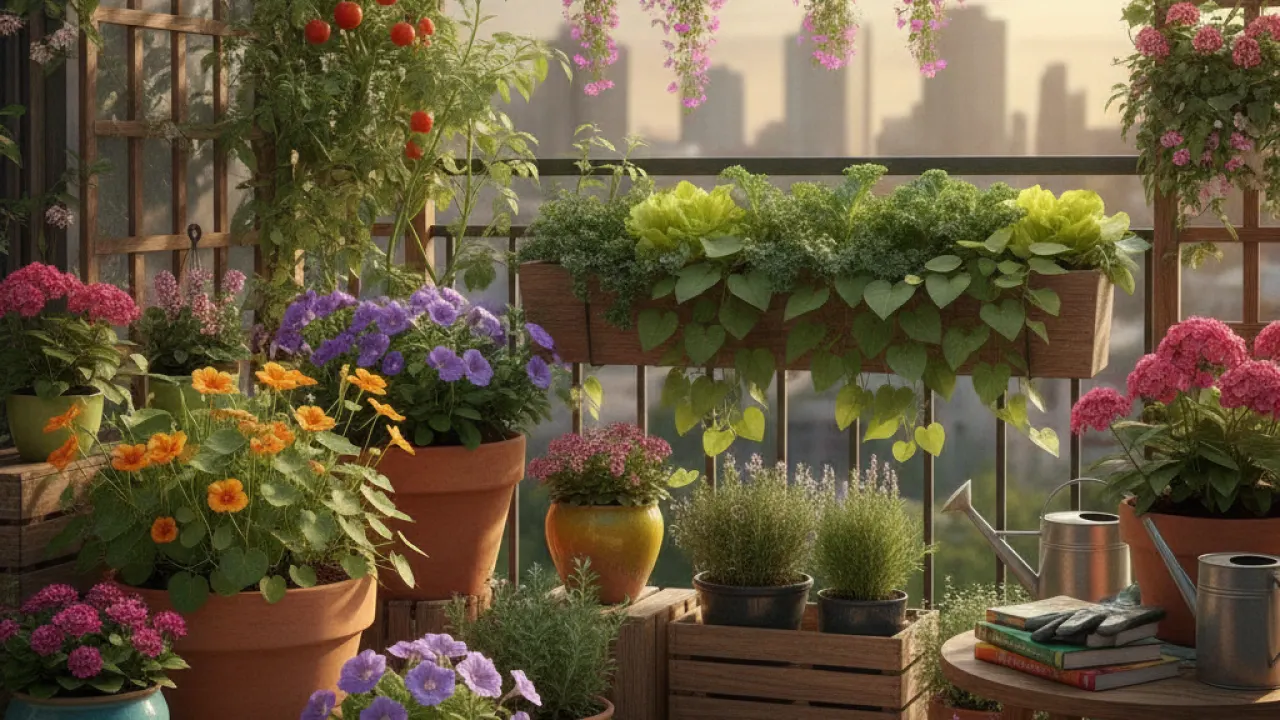
Why Container Gardening Works for Small Spaces
Container gardening puts you in control. You pick the soil, the location, and the water. You can move pots around to follow the sun or protect plants from bad weather. This flexibility is something a traditional garden in the ground cannot offer.
It is also lower maintenance. You have fewer weeds, and pests are easier to spot and deal with early. For beginners, containers offer a forgiving way to learn without the stress of managing a large plot. For more background, see Wikipedia reference.
The only real limit is space and sunlight. Most edible plants need at least six hours of direct sun per day. If your space gets less than that, stick to shade-tolerant plants like lettuce, spinach, and herbs like mint and parsley.
What You Can Grow in Containers
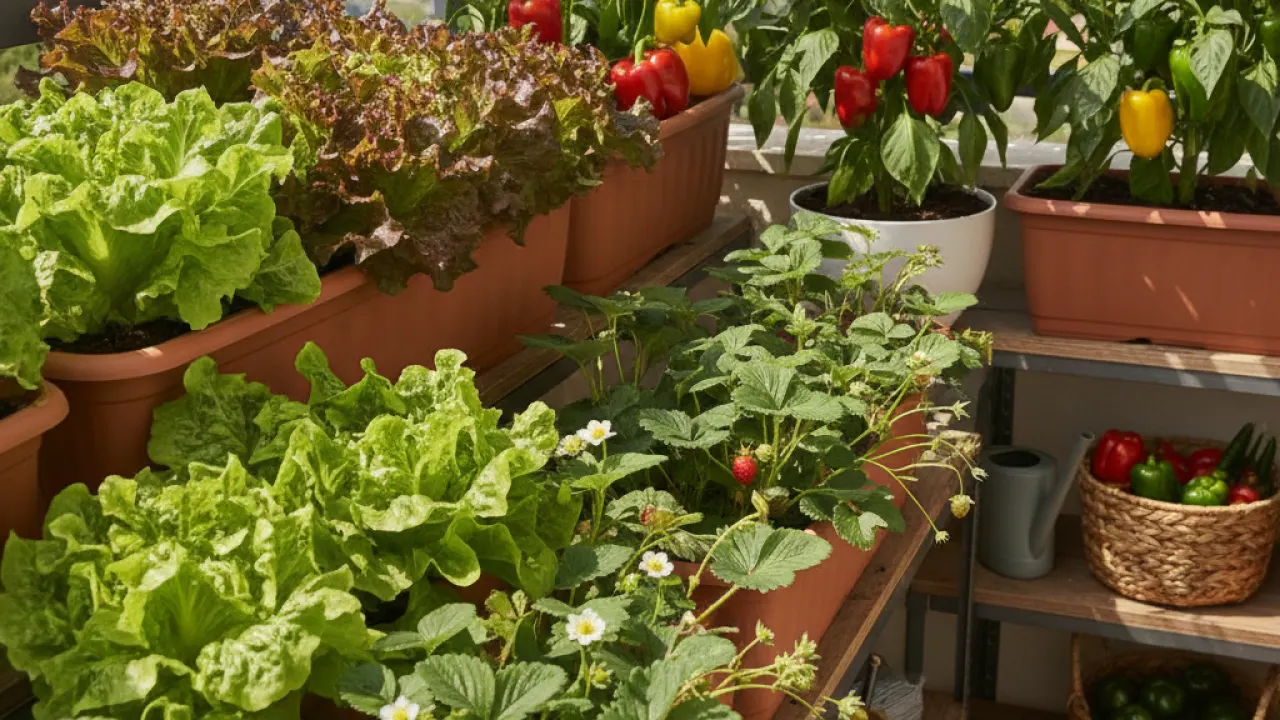
The list is longer than most people expect. Herbs, salad greens, cherry tomatoes, peppers, cucumbers, beans, strawberries, and many flowers all grow well in pots. Even compact fruit trees like dwarf lemon or fig can be grown in large containers.
What Does Not Work Well
Plants that spread a lot or have deep root systems are harder in containers. Pumpkins, large squash, and corn need more space than most containers can provide. Root vegetables like carrots and parsnips need deep pots. Stick to compact or dwarf varieties when in doubt.
Choosing the Right Containers
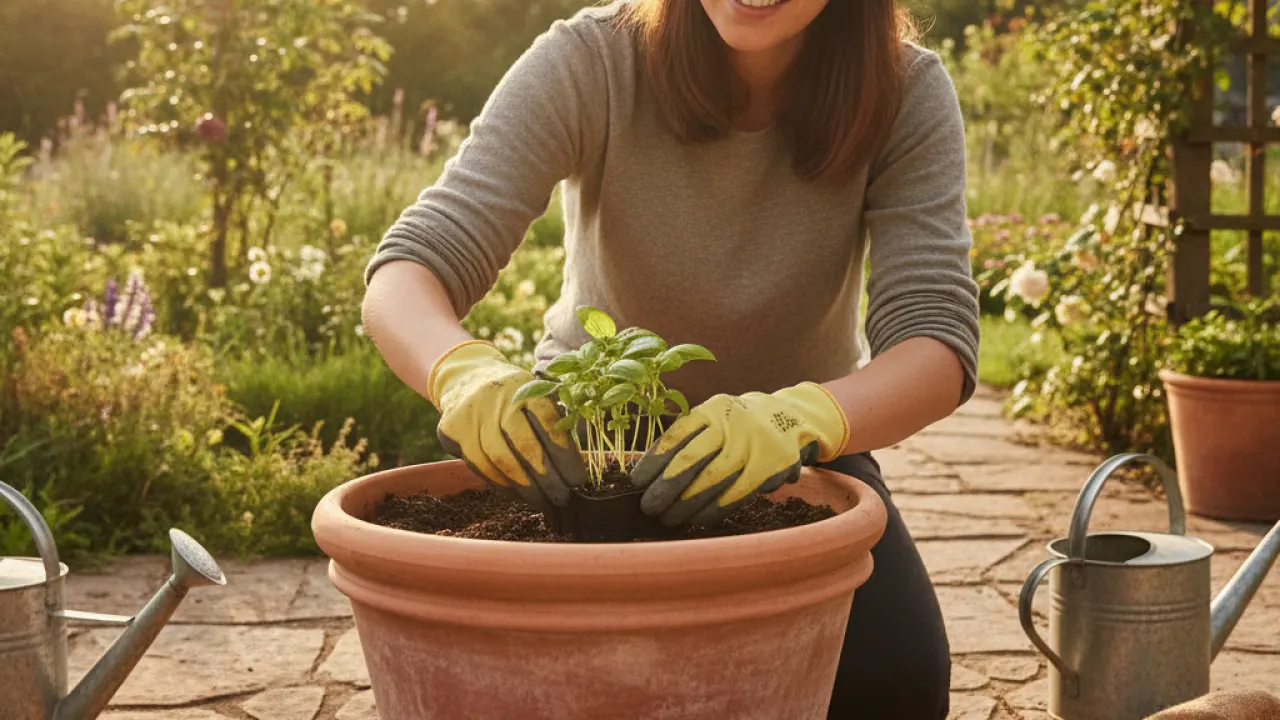
The container you choose matters more than most beginners realize. Too small and the plant runs out of root space and dries out fast. Too big and you waste soil and lug heavy pots around unnecessarily.
Here is a basic guide to container sizes by plant type:
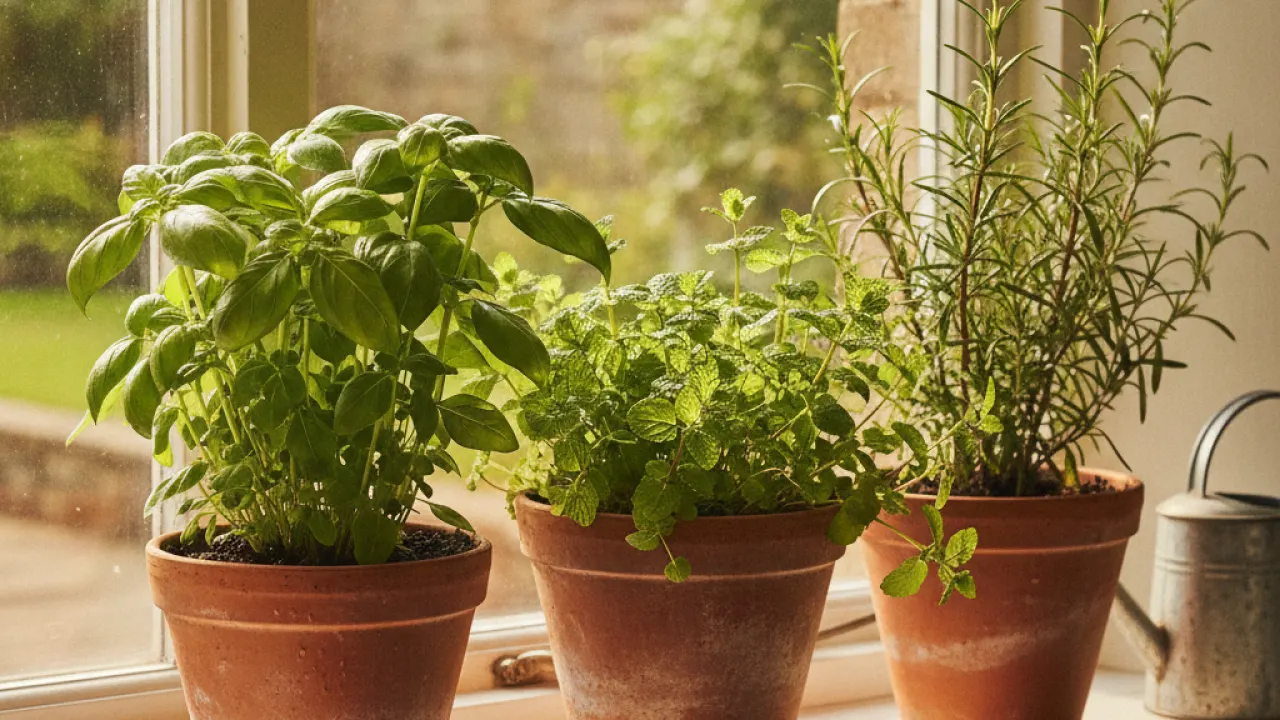
- Herbs – A 6 to 8 inch pot per plant works fine. You can group multiple herbs in a larger planter.
- Lettuce and salad greens – A wide, shallow pot around 8 to 12 inches deep. Width matters more than depth for these plants.
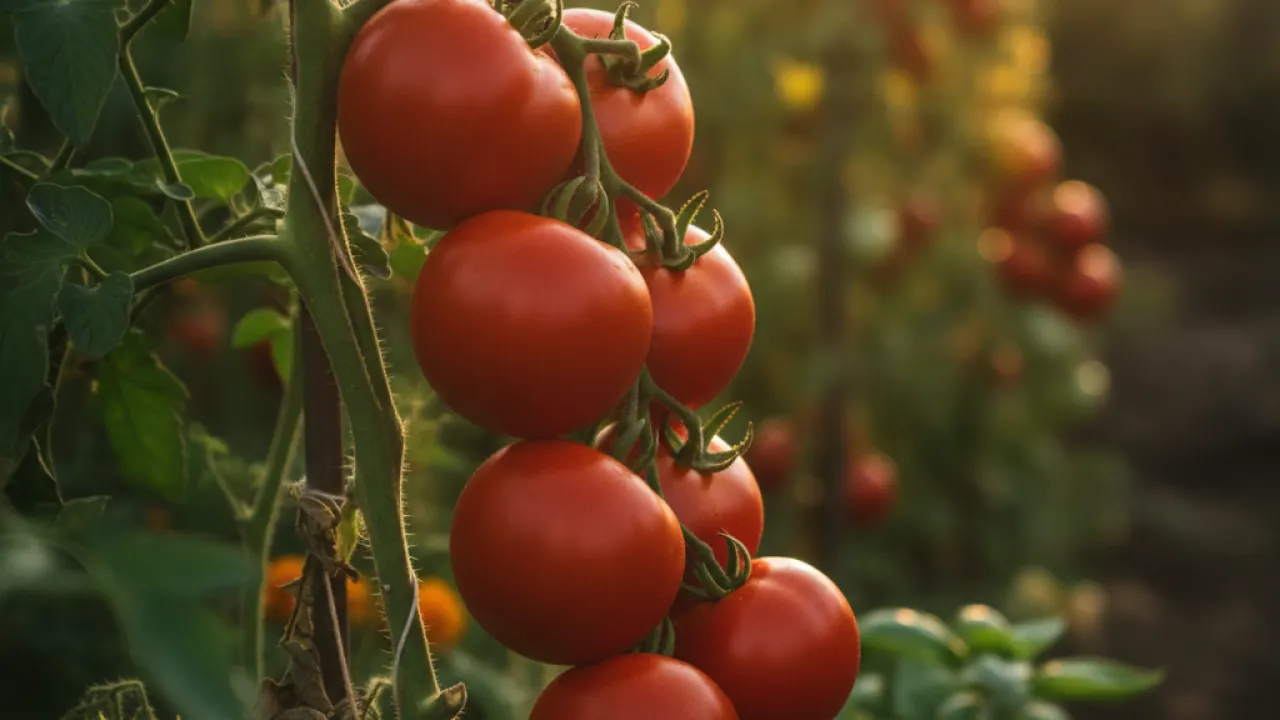
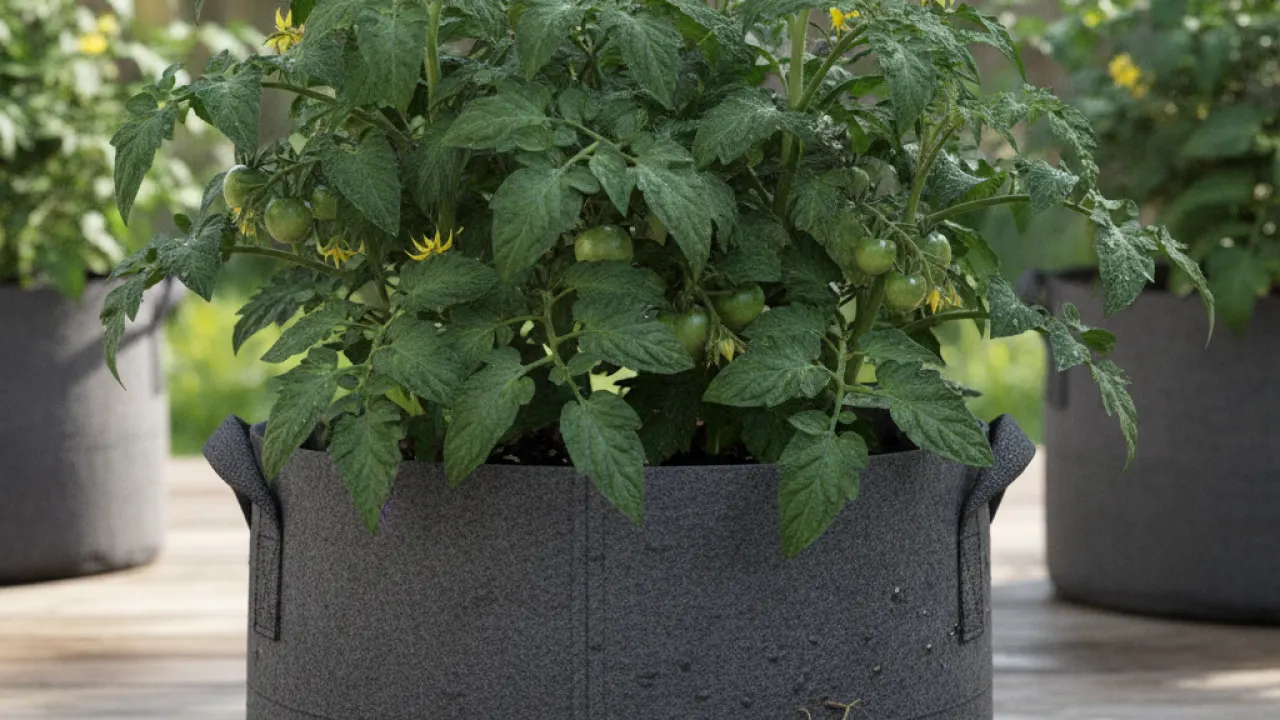
- Cherry tomatoes – At least a 12-inch pot, but a 5-gallon container or larger is better. They need room to grow strong roots.
- Peppers – A 3 to 5 gallon container per plant. Peppers do well in slightly cramped conditions.
- Cucumbers – A 5-gallon pot minimum, with a stake or trellis for the vine to climb.
- Strawberries – Individual 6-inch pots or a hanging basket works well. They are perfect for small spaces.
- Dwarf fruit trees – A 15 to 25 gallon container. Heavy and permanent, so plan where you put it.
- Flowers – Most annual flowers do fine in 6 to 10 inch pots depending on the variety.
Best Container Materials
Terracotta pots look great and breathe well, but they dry out fast and crack in freezing temperatures. Plastic pots hold moisture longer and weigh less. Fabric grow bags are excellent for vegetables because they air-prune the roots and prevent overwatering. Wood planters are attractive but heavy and rot over time. Choose what fits your needs and budget.
Drainage Is Not Optional
Every container must have drainage holes. Without them, water sits at the bottom, roots rot, and the plant dies. If you fall in love with a decorative pot that has no holes, drill some yourself or use it as a cover pot with a plain plastic pot inside.
The Best Soil for Container Gardening
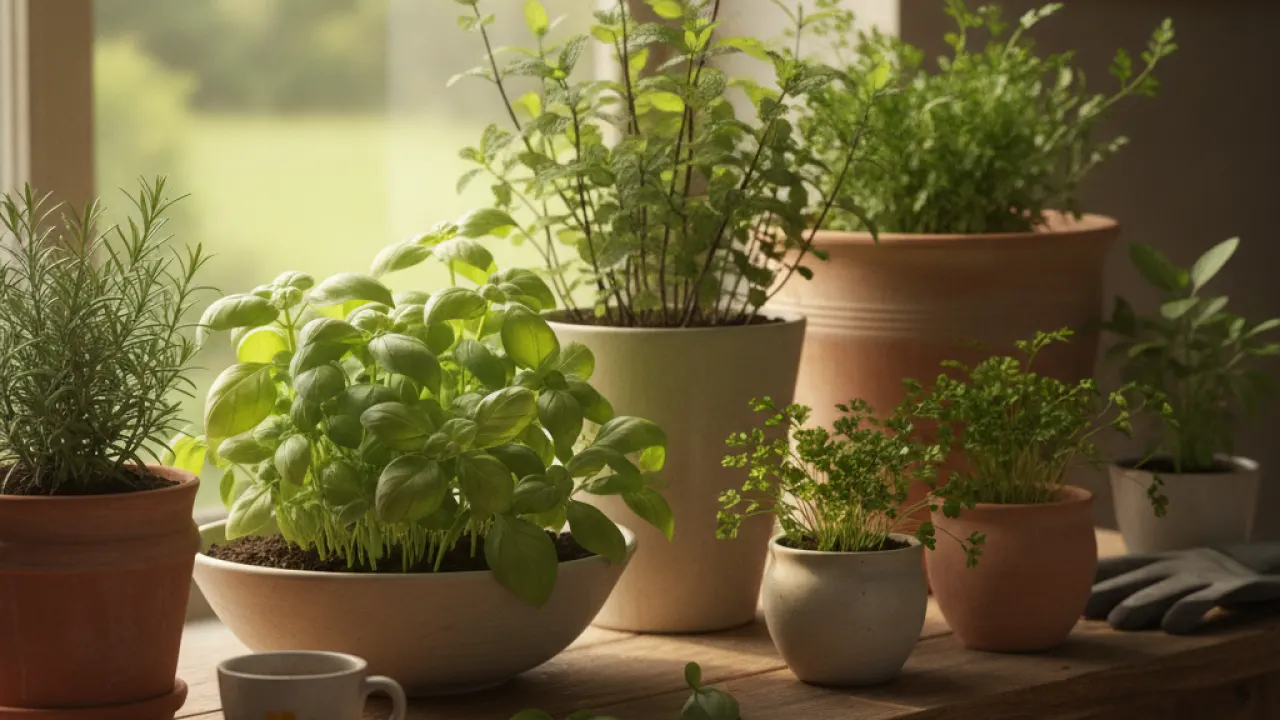
Never use garden soil in containers. It gets compacted, drains poorly, and usually carries weed seeds and pests. You need potting mix, which is made specifically for containers. It is lighter, drains better, and holds moisture without becoming waterlogged.
For most vegetables and herbs, a standard all-purpose potting mix works well. Look for one that includes perlite or vermiculite, which improves drainage and aeration.
Add Fertilizer from the Start
Potting mix does not contain much nutrition on its own. Many gardeners mix a slow-release granular fertilizer into the soil before planting. This feeds your plants for two to three months without you doing anything extra. After that, switch to a liquid fertilizer every two weeks during the growing season.
Refresh Soil Each Season
Container soil gets depleted and compacted over time. At the start of each growing season, replace at least half the old soil with fresh potting mix. For small pots, replace all of it. This keeps your plants healthy and avoids a buildup of disease or pests in old soil.
Watering Container Plants the Right Way
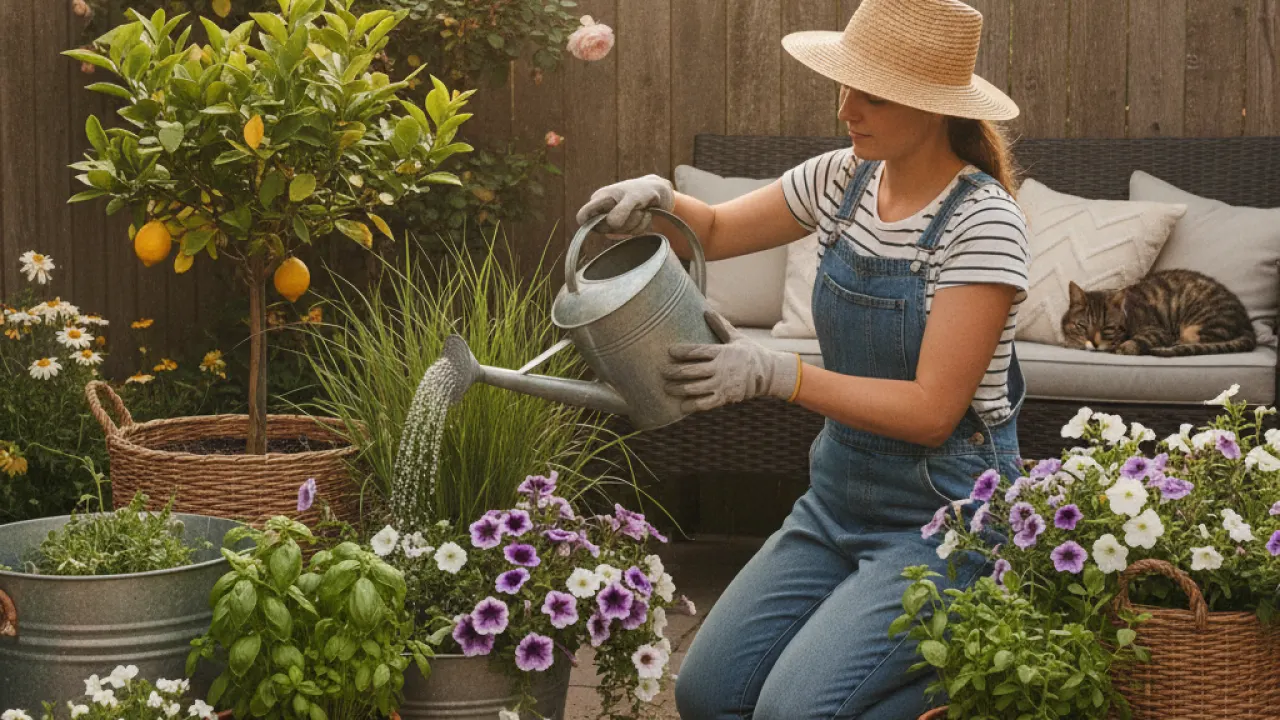
Watering is where most beginners make mistakes. Container plants dry out much faster than plants in the ground, especially in hot weather or on sunny balconies. Small pots may need water every day in summer. Large pots may be fine every two or three days.
The best way to check is simple. Stick your finger about an inch into the soil. If it feels dry, water it. If it feels moist, wait. This check takes five seconds and stops you from both overwatering and underwatering.
How to Water Properly
Water slowly and deeply until water runs out of the drainage holes. This makes sure the whole root zone gets wet, not just the top inch. Shallow watering encourages roots to stay near the surface, which makes plants weaker and more vulnerable to drying out.
Self-Watering Containers Save Time
Self-watering pots have a reservoir at the bottom. Plants draw water up as they need it. This is perfect for herbs, vegetables, and anyone who travels or forgets to water. They cost a bit more upfront but save plants from drying out and reduce how often you need to check on them.
Sunlight, Placement, and Seasonal Timing
Most vegetables and fruiting plants need six to eight hours of direct sun per day. Before you plan what to grow, spend a day watching how much sun your space actually gets. It is easy to overestimate this. A balcony that feels sunny might only get three or four hours of direct light once nearby buildings shade it in the afternoon.
If you have limited sun, focus on leafy greens, herbs, and some flowers. Lettuce, spinach, kale, mint, parsley, and chives all manage with three to four hours of sun. Tomatoes, peppers, and cucumbers will struggle without at least six.
Container Placement Tips
Put tall plants where they will not block shorter ones from the sun. Place pots close to a water source so watering does not become a chore. On windy balconies, group pots together and use heavier containers to prevent tipping. Move tender plants indoors if frost threatens.
When to Plant
Most vegetables go in after the last frost date in your area. In the UK, that is usually mid-April. In northern Europe or higher elevations, it can be May or later. Herbs like basil are especially cold-sensitive and should not go out until nights are reliably above 10C. Hardy plants like parsley, kale, and pansies can go out much earlier.
Pest and Disease Control in Containers
Container gardens have fewer pest problems than ground gardens, but they are not immune. Common pests include aphids, spider mites, fungus gnats, and slugs. Diseases like powdery mildew and root rot can also affect container plants.
Check your plants every few days. Catch problems early and they are easy to fix. Ignore them and they spread fast in the confined soil of a pot.
Simple Fixes That Work
- Aphids – Spray with a strong jet of water to knock them off, or use insecticidal soap spray.
- Fungus gnats – Let the soil dry out more between waterings. The larvae live in wet soil and die when it dries.
- Powdery mildew – Improve air circulation by spacing plants further apart. Remove badly affected leaves.
- Root rot – Always caused by overwatering or poor drainage. Repot into fresh dry soil and trim rotted roots.
- Slugs – Put copper tape around the rim of the pot. Slugs dislike the sensation it gives them.
- Spider mites – Keep humidity up by misting plants or grouping pots together. Spider mites prefer dry conditions.
Best Plants for Beginners to Start With
If you are new to container gardening, start with plants that are forgiving and rewarding. Here are good first choices:
- Cherry tomatoes – Fast growing, heavy producers, and very satisfying to harvest. Choose patio or tumbler varieties for containers.
- Basil – Easy to grow, smells amazing, and pairs with the tomatoes you are growing next to it.
- Lettuce – Ready to harvest in four to six weeks. Cut outer leaves and it keeps growing all season.
- Strawberries – Perfect for pots and hanging baskets. Very little maintenance once established.
- Mint – Grows aggressively, so keep it in its own pot. Harvest fresh leaves all summer.
- Marigolds – Easy flowers that repel some pests. Good companion plants for vegetables in nearby pots.
- Chillies – Compact plants that love heat and do very well in pots on sunny balconies.
Common Beginner Mistakes and How to Avoid Them
Most container gardening problems come down to a few repeating mistakes. Knowing them in advance saves you a lot of frustration.
- Pots that are too small – Plants run out of room quickly. When in doubt, go bigger.
- No drainage holes – Always check before buying. Drill holes if needed.
- Using garden soil – It compacts and drains badly in containers. Always use potting mix.
- Watering on a schedule instead of by feel – Check the soil, not the calendar.
- Forgetting to fertilize – Container soil runs out of nutrients fast. Feed every two weeks in growing season.
- Overcrowding – Give plants space to breathe. One pepper per pot, not three.
- Giving up after one failure – Every gardener kills plants. It is part of learning. Try again with what you learned.
Frequently Asked Questions
What is the
The container gardening beginners is a structured approach designed to give clear, actionable steps that produce reliable results over time.
How do I start with the
Begin with the foundation steps, focus on consistency, and build intensity gradually as the plan progresses.
How long does the container gardening beginners take to work?
Most people notice initial improvements within a few weeks, with more meaningful results appearing after 8 to 12 weeks of consistent effort.
Is the container gardening beginners suitable for beginners?
Yes. The container gardening beginners is designed to be accessible, with progressions and modifications that let anyone start at their current level.
What are the main mistakes to avoid with the
Common mistakes include skipping the foundation phase, expecting overnight results, and not tracking progress consistently.
Getting Started This Season
You do not need to buy everything at once. Start with two or three containers, a bag of potting mix, and a few plant varieties you actually want to eat or enjoy. Grow from seedlings if you can find them at a garden center. They are easier for beginners than starting from seed.
Water consistently, check for pests, feed every two weeks, and watch what happens. Container gardening is one of those hobbies where small efforts add up to visible results fast. Most beginners are surprised by how much they can grow in a small space.
What would you most like to grow in containers this season, and what is the biggest challenge your space presents? The container gardening beginners works when you follow it consistently.
For related reading, see our guides on Gardening for Beginners, Invest in Property UK 2026, Mediterranean Recipes for Beginners in 2026, File a Tax Return UK, Vegetable Garden Layout for Small Spaces and Beginners.
Common questions about the container gardening beginners
People often ask whether the container gardening beginners works for complete beginners. It does, because every step can be adjusted to match your current level. Start where you are, not where you think you should be.
Another common question is how much time the container gardening beginners takes each day. Most people spend between twenty and forty minutes on the core steps. That is enough to make progress without taking over your schedule.
Some readers wonder if they need expensive tools or subscriptions. In most cases, the container gardening beginners works with
Consistency is the factor that separates people who get results from people who stay stuck. Missing one day is fine. Missing three days in a row is where momentum breaks. This guide shows you how the container gardening beginners fits real life.
ne day is fine. Missing three days in a row is where momentum breaks.Tracking progress is another habit that helps. Write down what you did, how it felt, and any small wins. Those notes become proof that the container gardening beginners is working, especially on days when motivation is low.
Finally, remember that the container gardening beginners is a framework, not a prison. Adjust the timing, order, or intensity to fit your life. The goal is steady progress, not perfect execution.
Who the container gardening beginners suits best
The container gardening beginners suits anyone who wants a clear plan without unnecessary complexity. It works for beginners because the steps are simple. It works for experienced people because the principles stay the same even as the difficulty increases.
Busy schedules are not a problem. The container gardening beginners fits around work, study, and family. Most sessions take less than an hour. That makes it easier to stay consistent over weeks and months.
What to track while using the container gardening beginners
Tracking keeps the container gardening beginners honest. Write down what you do
Review your notes once a week. Look for patterns. If something stops working, change one variable at a time. Small adjustments beat complete overhauls. Start with the basics of the container gardening beginners and build from there.
your notes once a week. Look for patterns. If something stops working, change one variable at a time. Small adjustments beat complete overhauls.Common myths about the container gardening beginners
One myth is that you need to be perfect from day one. That is not true. Progress comes from showing up regularly, not from one flawless attempt.
Another myth is that shortcuts work. They rarely do. The container gardening beginners succeeds because it is built on simple, repeated actions. Skip the foundation and you will have to go back later.
Who benefits most from the container gardening beginners
The container gardening beginners helps people who want structure without complexity. Beginners benefit because the steps are simple. Experienced people benefit because they can adjust the intensity while keeping the same framework.
Busy people also benefit. The container gardening beginners fits around work, study, and family commitments. Most sessions take less than an hour. That makes consistency realistic over months.
How to measure progress with the container gardening beginners
Progress is not always obvious day to day. Keep a simple log of what you do and how you feel. Over time, patterns appear. Those patterns show whether the container gardening beginners is working.
Review your log weekly. Look for small improvements rather than dramatic changes. Small improvements add up to real results when they are repeated over time.
Common questions about the container gardening beginners
People often ask whether the container gardening beginners works for complete beginners. It does, because every step can be adjusted to match your current level. Start where you are, not where you think you should be.
Another common question is how much time the container gardening beginners takes each day. Most people spend between twenty and forty minutes on the core steps. That is enough to make progress without taking over your schedule.