

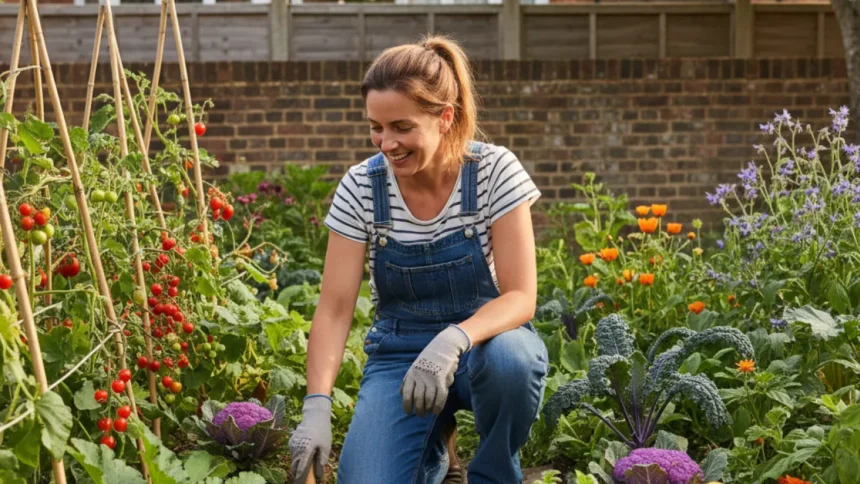
Gardening for beginners works best when you plant easy crops first and follow the season. Start with radishes, salad leaves, spring onions, peas, beans, beetroot, courgettes and cherry tomatoes. For more background, see Wikipedia reference.
This gardening for beginners guide shows what to plant first, when to plant it in the UK, and how to avoid the mistakes that make new gardeners give up too soon.
Why Gardening for Beginners Starts With Easy Plants
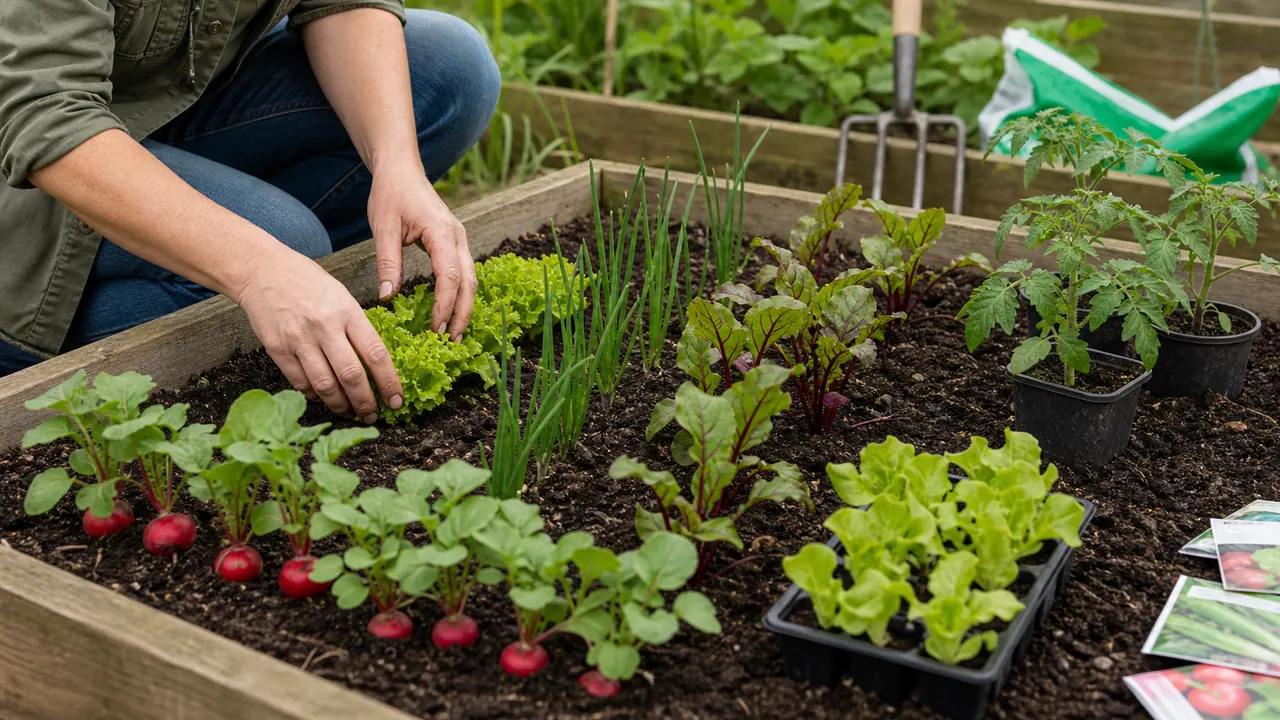
For gardening for beginners, early wins matter because they build confidence before harder crops go in.
In gardening for beginners, if your first plants fail, you probably won’t try again. That’s the reality. Starting with the wrong crops at the wrong time leads to disappointment and wasted effort.
But starting with the right crops at the right time is almost guaranteed to give you something to harvest. Success in year one makes you want to try more in year two.
The right first plants share a few things in common:
- They grow quickly so you see results before you lose interest
- They’re forgiving of beginner mistakes like inconsistent watering
- They don’t need special equipment like a greenhouse or heat mat
- They produce enough to feel like the effort was worthwhile
- They taste noticeably better home-grown than from a shop
- They’re widely available as seeds or young plants
Best Plants for Gardening for Beginners
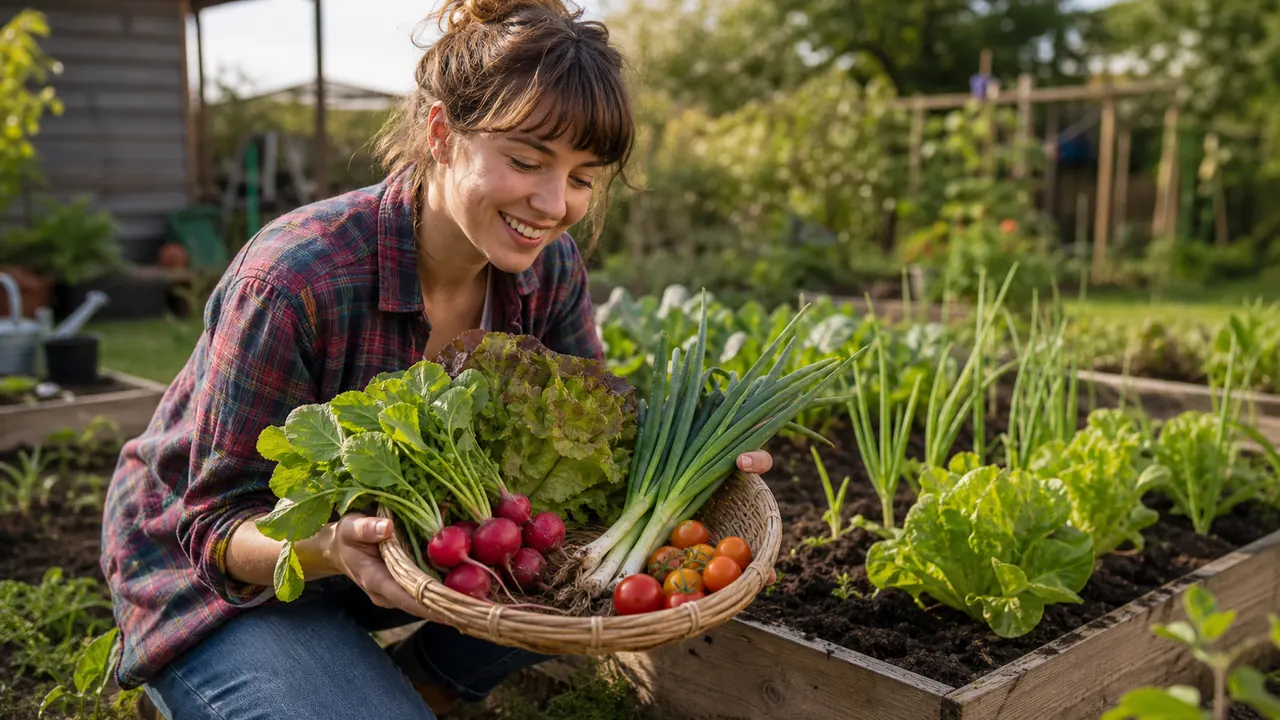
The best plants for gardening for beginners are quick, forgiving and useful in everyday meals.
These are the vegetables most people learning gardening for beginners succeed with. They’re not just easy. They’re productive and satisfying to grow.
Radishes
Radishes are the fastest vegetable you can grow, which makes them perfect for gardening for beginners. Some varieties are ready to pull in 3 to 4 weeks. They’re sown directly in the ground, need almost no maintenance, and are a great way to see quick results while you wait for slower crops to mature.
Sow a short row every 2 to 3 weeks from March to September for a continuous supply. Thin seedlings to 3cm apart. Water during dry spells and that’s about all they need.
Lettuce and Salad Leaves
A cut-and-come-again salad mix is one of the best choices a beginner gardener can make. Sow a short row, wait 3 to 4 weeks, then harvest the outer leaves. The plant keeps growing and gives you more. One sowing can last for 6 to 8 weeks of regular picking.
Lettuce prefers cooler conditions, so gardening for beginners is easier when salad leaves go in during spring or autumn. It does best in spring and autumn. In the hottest part of summer it tends to bolt (run to seed) and go bitter. Sow in March, April, August, and September for the best results.
Courgettes
Courgettes are probably the most productive crop in gardening for beginners. One plant will give you more courgettes than you can eat through summer. They’re fast-growing, low-maintenance, and respond very well to regular picking.
Start seeds indoors in April or buy young plants in May. Plant out after the last frost with plenty of space, around 90cm per plant. They get very large. Water at the base and feed with liquid fertiliser every 2 weeks once flowering starts.
Cherry Tomatoes
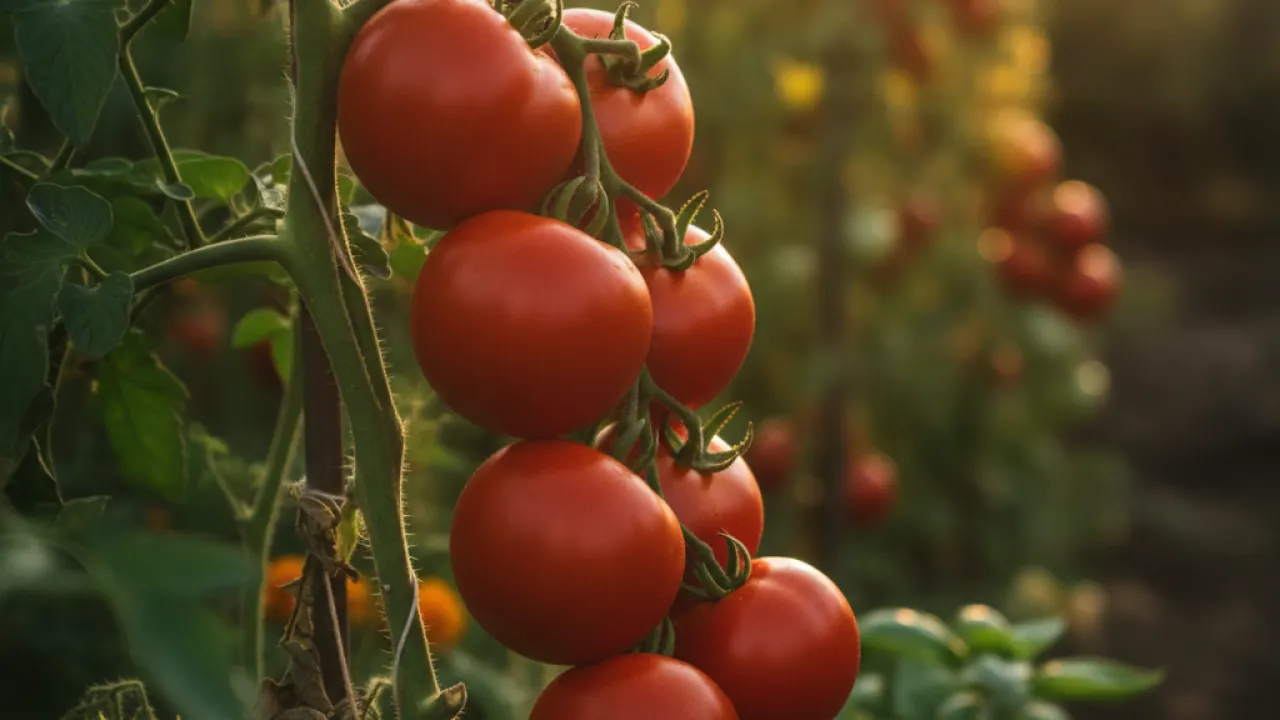
Cherry tomatoes are easier to grow outdoors than large varieties, which is why gardening for beginners often includes them. They’re less demanding about heat and still produce well in a decent UK summer. Varieties like Gardener’s Delight, Sungold, and Tumbling Tom are all good for beginners.
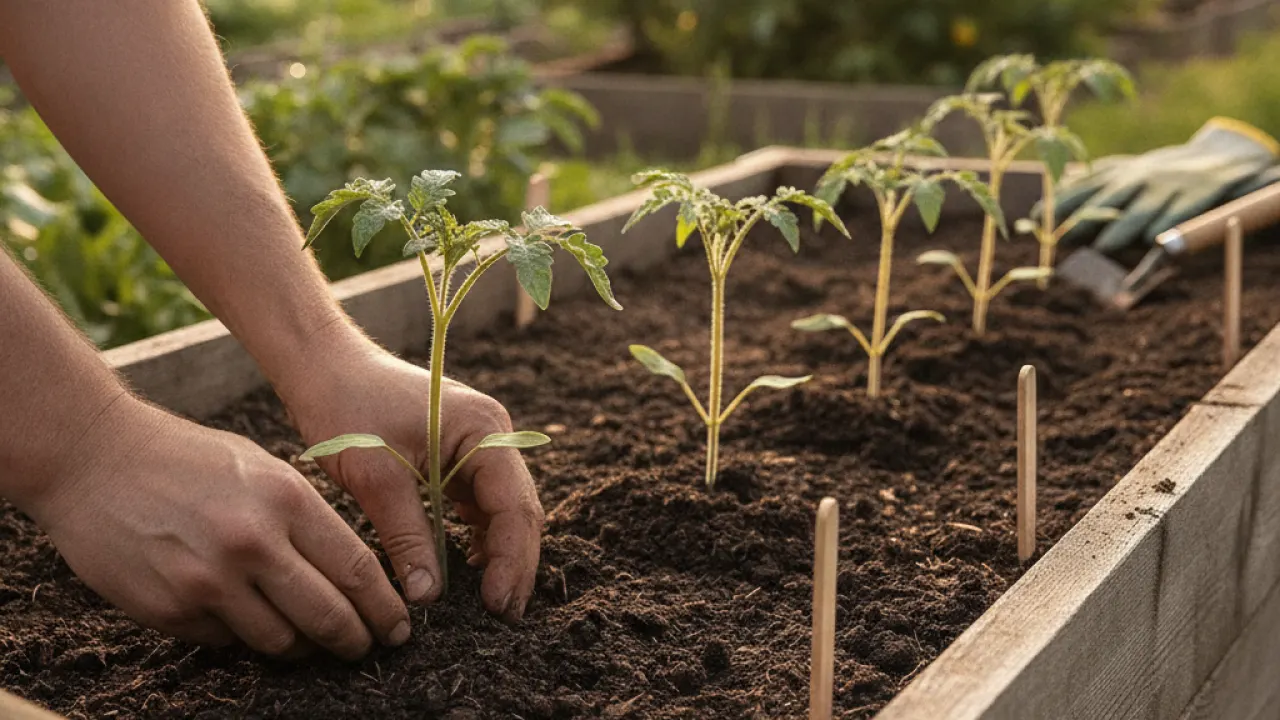
Start from seed in March on a sunny windowsill. Plant out in May or June after hardening off. Tie plants to canes as they grow. Pinch out sideshoots on cordon varieties to keep them tidy and productive.
French Beans
French beans are quick, easy, and very productive for gardening for beginners. You can sow them directly in the ground from late May once the risk of frost has passed. They germinate fast and produce pods within 8 to 10 weeks. Pick pods regularly to keep the plants producing.
Both dwarf and climbing varieties work well for beginners. Dwarf varieties don’t need support. Climbing varieties need canes or a frame but produce more over a longer period.
Peas
Peas are very satisfying to grow, especially in gardening for beginners. Sow directly in the ground from March or April and they’ll be producing by June or July. They grow quickly, tolerate light frost, and kids love eating them straight from the pod.
Peas need support. A few twiggy sticks pushed into the soil beside the row is enough for most varieties. Water well in dry weather, especially when pods are forming.
Spring Onions
Spring onions need very little space, which helps gardening for beginners and are ready to pull in about 8 weeks from sowing. Sow directly in short rows from March to July. You can sow a new short row every 3 weeks for a steady supply through the season.
Beetroot
Beetroot is reliable, easy to grow, useful in the kitchen, and a strong choice for gardening for beginners. Sow directly from April to July. Thin seedlings to 10cm apart once they’re a few centimetres tall. Harvest when roots are roughly the size of a golf ball. They can be left in the ground for a few weeks once they reach size without going woody.
When to Plant in Gardening for Beginners
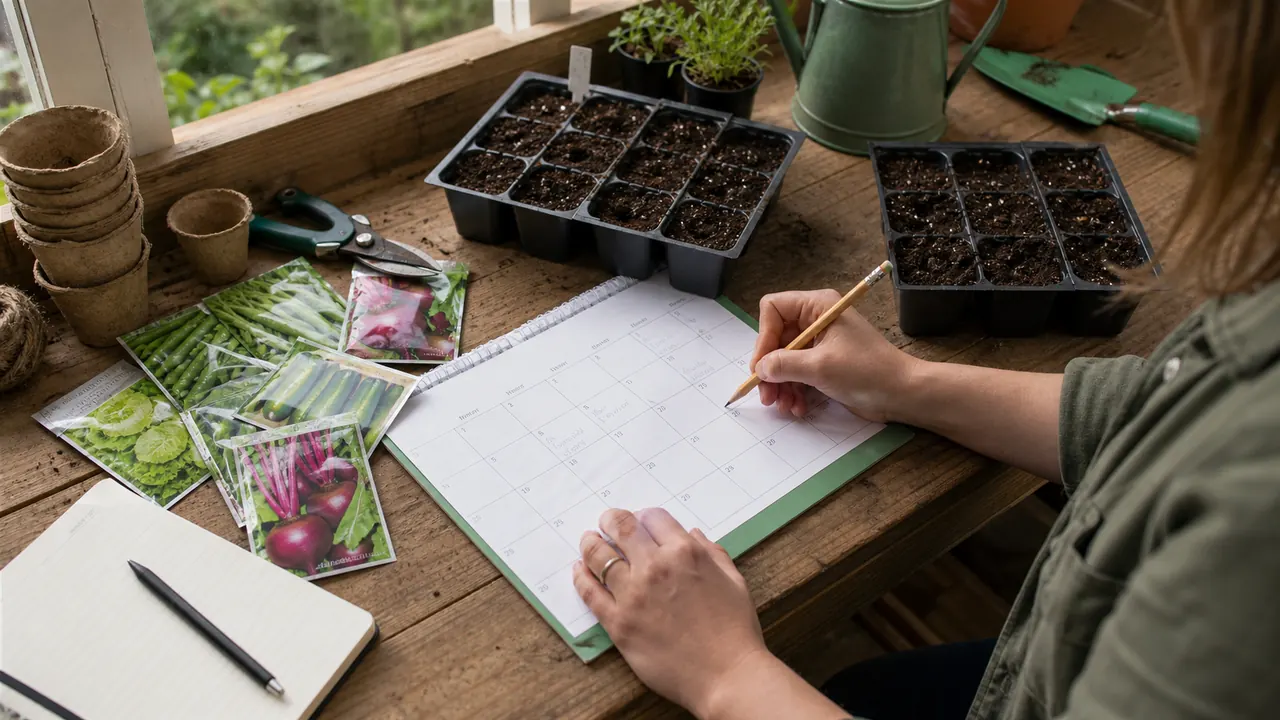
Timing is a big part of gardening for beginners because frost and heat can undo good work fast.
Timing is where gardening for beginners often goes wrong. Plant too early and cold kills seedlings. Plant too late and crops don’t finish before autumn arrives.
Here’s what you can do each month in the UK:
January and February
The main job in January and February is planning. Order seeds. Make a list of what you want to grow. Prepare your beds if the ground isn’t frozen.
You can start broad beans indoors in January in cold frames or on a cool windowsill. Some hardy salad leaves can be sown under cover.
March
March is when things start to move. You can:
- Sow tomatoes, peppers, and aubergines indoors on a warm windowsill
- Sow peas directly outside or in guttering indoors for transplanting later
- Direct sow radishes and spring onions in a sheltered sunny spot
- Sow lettuce indoors or under fleece outside
- Plant shallots and onion sets directly in beds
- Sow early carrots under cover
April
April is busy. The soil is warming up and growing conditions improve fast.
- Sow courgettes and cucumbers indoors
- Plant out hardy seedlings like lettuces sown in March
- Direct sow beetroot, spinach, and chard
- Sow peas directly outside
- Direct sow more radishes and spring onions
- Sow kale and other brassicas indoors for planting out in May or June
May
May is the month to get tender plants outside. After the last frost, you can plant out everything you’ve been growing indoors.
- Plant out tomatoes, courgettes, peppers, and cucumbers after the last frost
- Direct sow French beans and runner beans
- Direct sow sweetcorn in blocks not rows
- Sow more salad leaves, beetroot, and radishes
- Plant out brassica seedlings with netting over them
June
- Direct sow French beans for a late summer crop
- Keep sowing salad leaves and radishes every 2 to 3 weeks
- Sow courgettes directly outside for a later crop
- Start feeding tomatoes with tomato fertiliser every week
July
- Sow French beans for harvesting in September
- Sow autumn salad leaves including rocket, mizuna, and land cress
- Sow kale and winter brassicas for planting out in August
- Keep harvesting regularly to encourage continued production
August
- Sow winter salad leaves for harvests through autumn
- Sow spring onions to overwinter for an early spring crop
- Plant out winter brassicas like kale and cabbage
September to December
- Plant garlic cloves from October to December
- Clear spent plants and add compost to empty beds
- Harvest roots like carrots, parsnips, and beetroot
- Sow broad beans in November for an early spring crop next year
For more help, read our guides to start a vegetable garden, build a vegetable garden from scratch, and turn fresh produce into simple meals with Mediterranean recipes for beginners.
Hardy vs Tender Plants in Gardening for Beginners
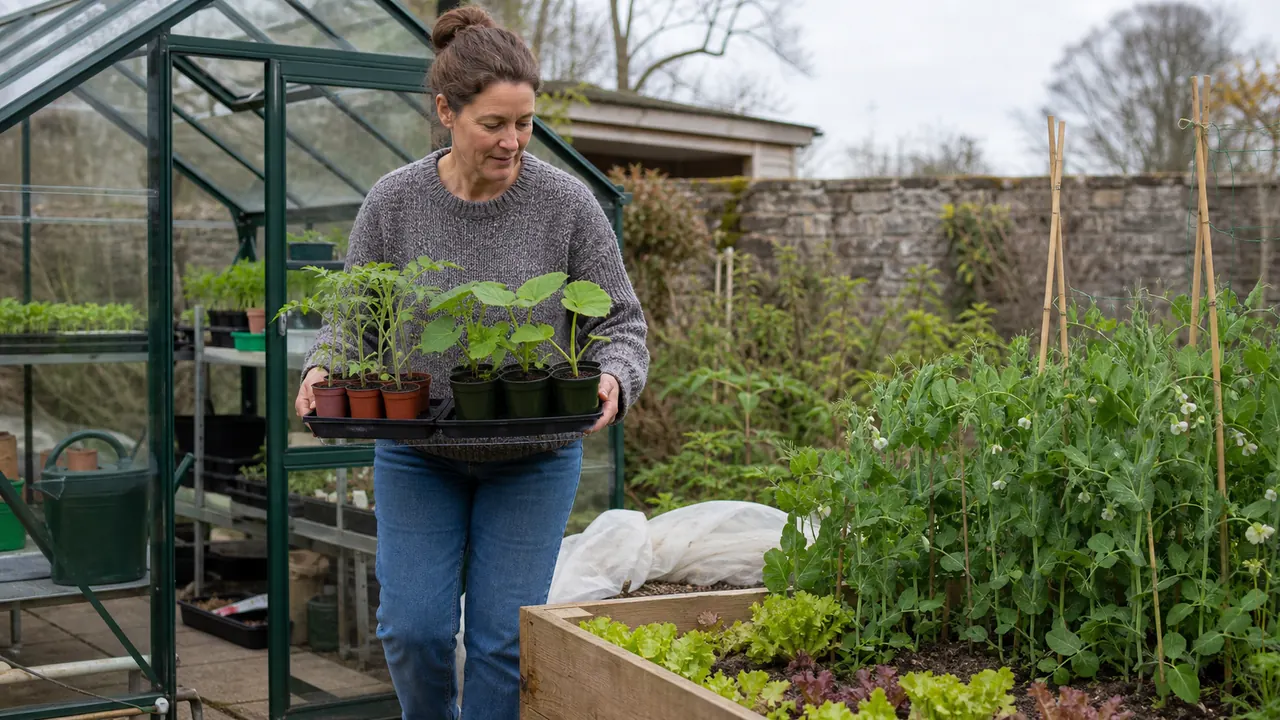
This is where gardening for beginners becomes easier, because you stop guessing which plants can handle cold.
This is one of the best things a beginner gardener can learn. Plants are either hardy or tender. Hardy plants can cope with frost. Tender plants cannot.
Hardy Plants
Hardy plants can go outside early in spring, sometimes even in late winter. They include:
- Peas can handle light frost
- Broad beans are very frost-tolerant
- Lettuce and salad leaves are hardy enough for early spring
- Spinach and chard handle cold well
- Onions and garlic can be planted in autumn and overwinter
- Kale is one of the hardiest vegetables there is
- Beetroot can handle light frost once established
Tender Plants
Tender plants die at or below 0 degrees. Don’t put these outside until after the last frost:
- Tomatoes are killed by even a light frost
- Courgettes and squashes are very frost-sensitive
- French beans and runner beans don’t tolerate any frost
- Peppers and aubergines need warm conditions to thrive
- Cucumbers prefer warm conditions and shelter
- Basil hates the cold more than most vegetables
In most UK areas, the safe date to plant tender crops outside is after mid-May. In Scotland and northern England, wait until late May or early June.
Gardening for Beginners Mistakes to Avoid
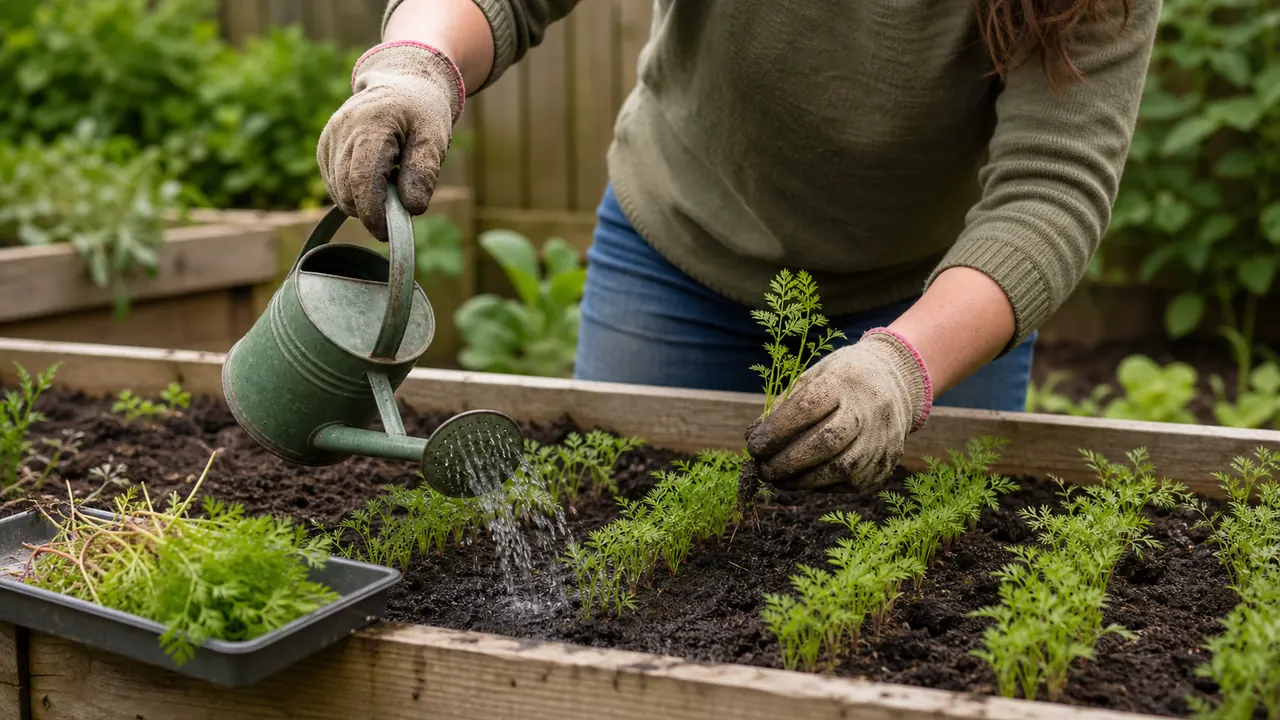
Most gardening for beginners mistakes are easy to fix once you know what to look for.
Most gardening for beginners mistakes fall into a small number of categories. Here’s what to watch out for.
Planting Too Early
Excitement gets the better of most new gardeners. They plant tender crops in April, a frost comes, and the plants die. Wait until after the last frost for anything tender. If you must plant early, use fleece or cloches to protect plants.
Planting Too Deep
Small seeds planted too deep never make it to the surface. As a rule, plant seeds at a depth equal to twice their diameter. Tiny seeds like lettuce go just under the surface. Large seeds like peas and beans go 3 to 4cm deep.
Not Thinning Seedlings
Direct-sown seeds often produce more seedlings than you need. Thinning means removing the extras so the remaining plants have room to grow. It feels wrong to pull up healthy plants, but it makes a real difference to the final harvest.
Watering Inconsistently
Letting plants dry out then drowning them causes problems. Tomatoes with inconsistent watering develop blossom end rot. Root vegetables crack. Leafy crops bolt. Aim for steady, regular moisture in the soil rather than feast and famine.
Ignoring Pests Until It’s Too Late
Slugs, aphids, and caterpillars can cause serious damage quickly. Check your plants every few days. Catching pest problems early means you can deal with them before serious damage is done.
Container Gardening for Beginners if You Have No Garden
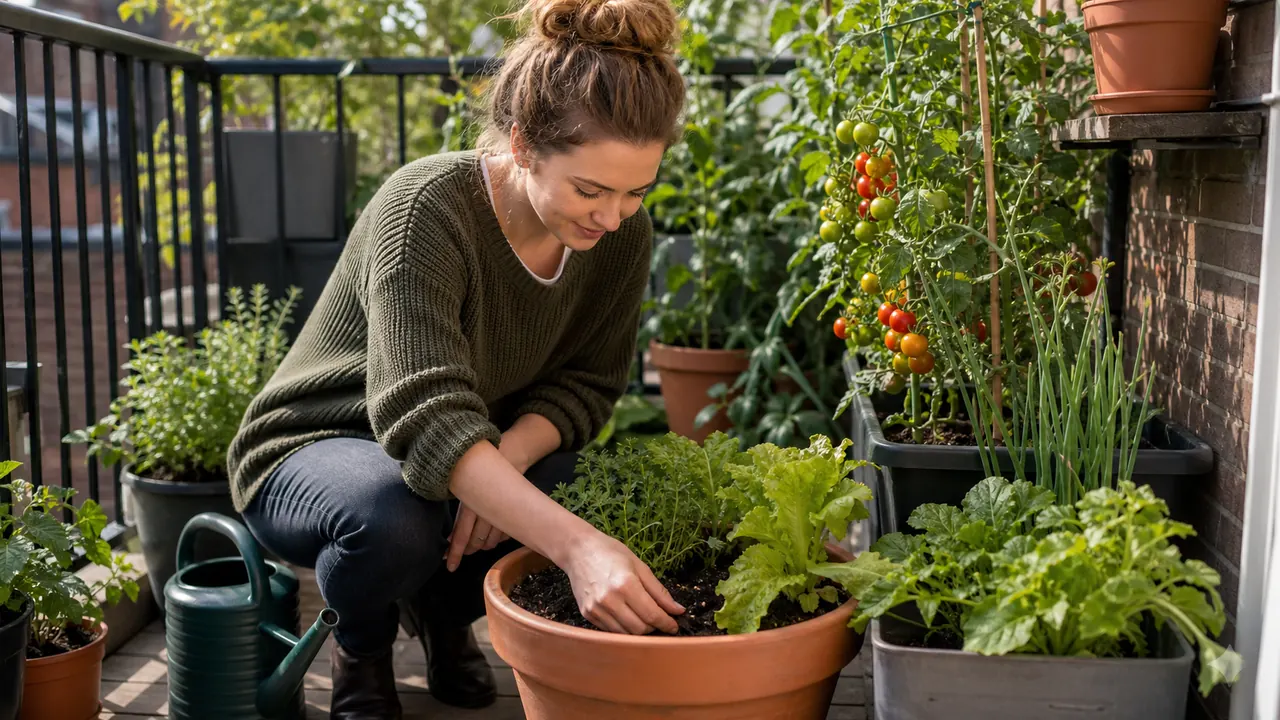
Container gardening for beginners works well when pots are large enough and watering is steady.
No garden? No problem for gardening for beginners. A wide range of vegetables grow well in containers on a patio, balcony, or doorstep. The RHS says vegetables grow best in an open, sunny spot, so choose the brightest safe place you have.
The key to container gardening for beginners is using large enough pots. Small pots dry out fast and restrict root growth. Use the biggest pots you have or can find. A 30-litre container is a good minimum for tomatoes and courgettes.
Best vegetables for containers:
- Cherry tomatoes grow brilliantly in large pots, especially bush varieties
- Lettuce and salad leaves are perfect for shallow containers and window boxes
- Radishes grow well in almost any size container
- Spring onions need very little depth and grow fast
- French beans work well in deep containers with a few canes for support
- Courgettes need a very large container but are possible on a sunny patio
- Herbs are the easiest container crops of all and very useful in the kitchen
- Peppers do well in pots on a sunny south-facing patio
- Peas grow up supports and look attractive as well as producing food
- Beetroot grows well in deep containers if watered consistently
Water containers every day in summer. Add a slow-release fertiliser when planting and follow up with liquid feeds every 7 to 14 days once plants are growing.
Choosing Between Seeds and Plants
Seeds are much cheaper than buying young plants. A packet of tomato seeds costs about the same as a single tomato plant, but gives you 20 or more plants to grow.
The downside of seeds is that they take time and space to grow on. You need somewhere warm for germination and a light spot for the seedlings. If you don’t have a greenhouse or a very sunny windowsill, some seeds will get leggy and weak indoors.
Young plants from a garden centre remove the early growing-on process. They cost more but save you weeks of work and give you a reliable, healthy start.
For your first year, a mix works well. Buy young plants for crops that need a long indoor growing period (tomatoes, peppers, courgettes). Start easier crops from seed directly in the ground (radishes, peas, beans, beetroot).
How Much Space Do You Need?
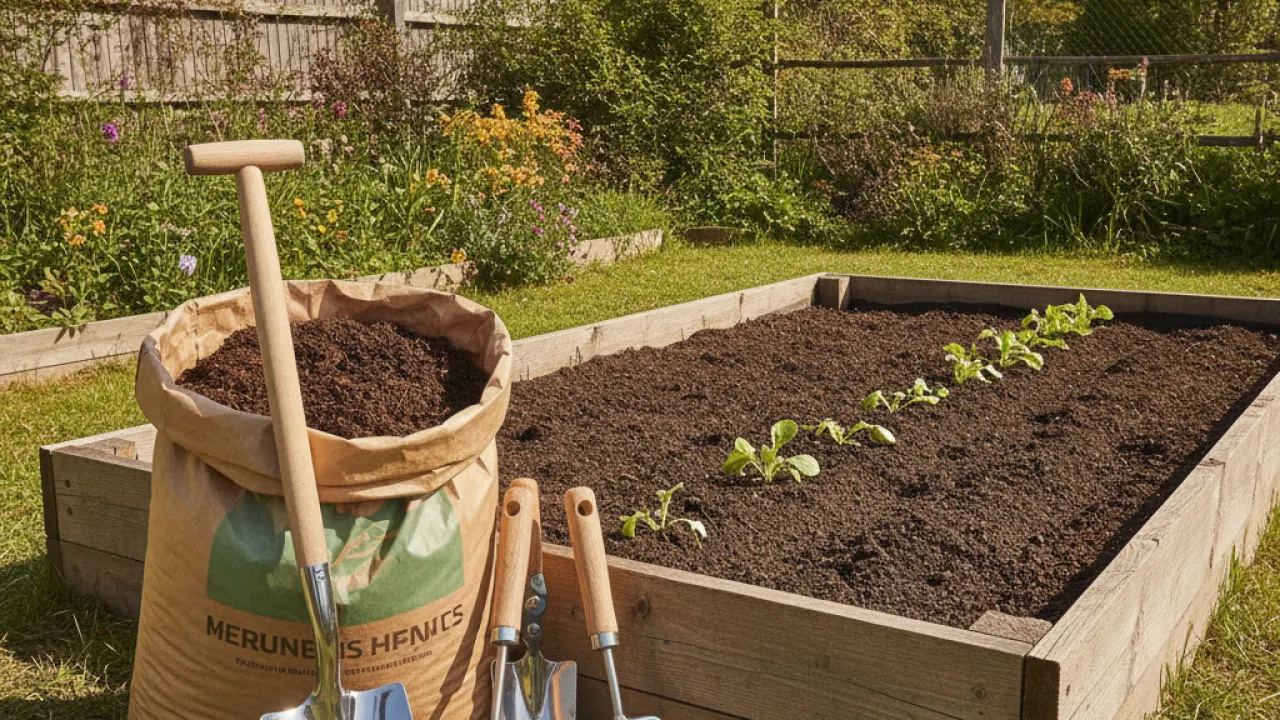
Less than you think. A 1.2m by 1.2m raised bed can grow an impressive amount of food with the right planning. Even a few large containers on a patio can produce regular salads and tomatoes through summer.
The key is not trying to grow too much in too little space. Overcrowded plants compete for light, water, and nutrients. They produce less and get sick more easily. Follow the spacing guidance on seed packets and labels. It always feels like too much space at planting time and always fills up faster than expected.
Getting More From Your Garden
A few simple habits help you get more from whatever space you have.
Succession Sowing
Don’t sow all your seeds at once. Sow small amounts every 2 to 3 weeks for a continuous harvest instead of a big glut. Works especially well with lettuce, radishes, spring onions, and spinach.
Intercropping
Grow quick crops in the spaces between slower ones. Radishes and spring onions can be sown between tomato plants in May. They’ll be harvested before the tomatoes need the space. This approach makes more efficient use of your growing area.
Mulching
A layer of compost, straw, or bark chips on the soil surface reduces weeds and holds moisture. This means less watering and less weeding. Both are worthwhile.
Feeding
Vegetables in containers and fruiting crops like tomatoes and courgettes need regular feeding. Use a high-potassium liquid feed every 7 to 14 days once flowers appear. Leafy crops grown in ground beds with plenty of compost often don’t need any additional feeding.
Gardening for Beginners First-Year Plan
A small plan keeps gardening for beginners simple, cheap and much less stressful.
Expect things to go wrong. That’s not a reason not to start. It’s just how gardening works. Seeds don’t germinate. Pests appear. Something bolts. But you’ll also eat something you grew yourself, and that feeling is worth everything else.
The most important thing in year one is to show up. Water when it’s dry. Weed when you see weeds. Pick crops as they mature. These three habits keep a beginner garden healthy without needing to know very much.
By the end of your first season you’ll know your garden’s strengths and weaknesses. You’ll know which spots are sunniest, which areas stay wet, and which vegetables did best for you. That knowledge is the foundation of every good garden.
Simple First Garden Plan
If you want to follow a simple plan for your first season, try this for a 1.2m by 2.4m raised bed in the UK:
- March: Sow salad leaves, radishes, and spring onions directly. Start tomatoes on a windowsill.
- April: Direct sow peas and beetroot. Start courgettes indoors.
- May: Plant out tomatoes and courgettes after last frost. Direct sow French beans.
- June onward: Keep watering, feeding tomatoes weekly, picking crops as they mature, and succession sowing salads and radishes every 2 to 3 weeks.
That’s it. Four months of setup, then a summer of harvesting. It works for anyone with a bit of outdoor space and a few hours per week to spare.
Gardening for Beginners Frequently Asked Questions
These gardening for beginners answers cover the doubts most new growers have in their first season.
What’s the easiest vegetable to grow as a beginner?
Radishes. They grow in 3 to 4 weeks from seed, need almost no care, and always work. If you’ve never grown anything, start with radishes to build your confidence before moving on to slower crops.
Can I start gardening in summer if I missed spring?
Yes. In June and July you can still plant courgettes, tomatoes (as young plants), French beans, salad leaves, beetroot, and herbs. You won’t get the full range of spring options, but there’s still plenty to grow and harvest before autumn.
Do I need to follow a planting schedule exactly?
No. The guidelines are based on averages. Your specific climate, microclimate, and weather in any given year will vary. Use the schedule as a starting point and adjust based on what you see in your garden. If it’s cold and wet in May, wait longer before planting out tender crops.
How often should I check my garden?
At least every 2 to 3 days in the growing season. Daily is better during dry spells. The more you’re in your garden, the earlier you’ll spot problems and the more enjoyment you’ll get from watching things grow.
For a wider food plan after your first harvest, try these simple beginner recipes. Fresh lettuce, tomatoes, herbs and beans are easy to use once they start coming from the garden.
Frequently Asked Questions
What’s the easiest vegetable to grow as a beginner?
Radishes. They grow in 3 to 4 weeks from seed, need almost no care, and always work. If you’ve never grown anything, start with radishes to build your confidence before moving on to slower crops.
Can I start gardening in summer if I missed spring?
Yes. In June and July you can still plant courgettes, tomatoes (as young plants), French beans, salad leaves, beetroot, and herbs. You won’t get the full range of spring options, but there’s still plenty to grow and harvest before autumn.
Do I need to follow a planting schedule exactly?
No. The guidelines are based on averages. Your specific climate, microclimate, and weather in any given year will vary. Use the schedule as a starting point and adjust based on what you see in your garden. If it’s cold and wet in May, wait longer before planting out tender crops.
How often should I check my garden?
At least every 2 to 3 days in the growing season. Daily is better during dry spells. The more you’re in your garden, the earlier you’ll spot problems and the more enjoyment you’ll get from watching things grow.
Gardening for Beginners: The Most Important Thing
The real aim of gardening for beginners is not a perfect plot, it is a first harvest you can repeat.
The most common reason people don’t start a vegetable garden is that they wait until they feel ready. They want to know more, plan more, read more. But you learn gardening by doing it, not by reading about it.
Pick one or two of the plants from this guide. Get them in the ground this week. Check on them every day. You’ll learn more in 4 weeks of actual growing than in months of reading.
What are you planning to plant first, and which part of gardening for beginners still feels confusing?