

Why slow living is becoming the new status symbol in 2026 isn’t just a wellness trend. It’s a real cultural shift. The same generations that romanticised hustle culture in the 2010s now treat slowness, presence, and unrushed time as the actual luxury. The people who used to brag about 80 hour work weeks now brag about three day weekends in the countryside without their phones. This piece walks through why the shift happened, what it actually looks like in daily life, and what it means for the next 10 years of how we live.
The hustle culture collapse
For roughly 15 years, from the late 2000s to the early 2020s, the dominant aspirational lifestyle in Western culture was relentless productivity. Books like The 4 Hour Workweek made the idea feel achievable. Hustle Culture made the work itself feel cool. Founder bro Instagram celebrated 4 AM wake ups, hour long commutes both ways, and meals taken at desks. The slow living 2026 is the main focus of this guide.

What actually happened to the people who lived it. Burnout rates among knowledge workers hit historic highs in 2021 and 2022. The Great Resignation saw 50 million Americans quit jobs in 2021 and 2022. Anxiety prescriptions climbed in every age band. Depression rates rose across the same cohorts that adopted hustle culture most deeply. This guide explains how the slow living 2026 works in practice.
The honest assessment in 2026. The people who lived hustle culture all out from 2010 to 2020 mostly don’t look great by the metrics they cared about. Their startups failed at the normal rate. Their bodies broke down. Their marriages strained or ended. Their kids grew up barely seeing them. The status that hustle culture promised – wealth, respect, freedom – rarely materialised in proportion to what was given up. Follow the slow living 2026 to get the best results.
What replaced it
The cultural shift started before COVID but accelerated after. Three observations. For more background, see Wikipedia reference. The slow living 2026 gives you a clear starting point.

Time became scarcer than money. The wealthiest professionals in cities make more money than ever but have less unprogrammed time. The status currency shifted toward whoever could afford to opt out of constant urgency. Many people search for the slow living 2026 because they want a simple answer.
Status moved from things to experiences to time. In the 2000s, owning the right car and watch signaled status. In the 2010s, the right experiences and travel destinations did. In the 2020s and 2026, having genuinely unstructured time has become the rarest signal. Use the slow living 2026 as your reference point.
Slowness became a flex. Sitting at a long lunch on a Tuesday. Walking the kids to school without phone in hand. Reading a book on the porch on a Sunday morning. A 3 week vacation. None of these are expensive. All of them signal control over one’s own time, which is the actual underlying status. The slow living 2026 covers everything you need to know.
The visible markers of new status
Five things that signal high status in 2026 in a way they didn’t 10 years ago. The slow living 2026 works when you follow it consistently. This guide walks through the slow living 2026 step by step.
1. Unhurried meals
The long dinner has come back in a major way. Lingering at a table for 2 to 3 hours over food, wine, and conversation has become a strong status signal. People with disposable time eat slowly. People without it grab fast food at the desk. The slow living 2026 helps you avoid common mistakes.
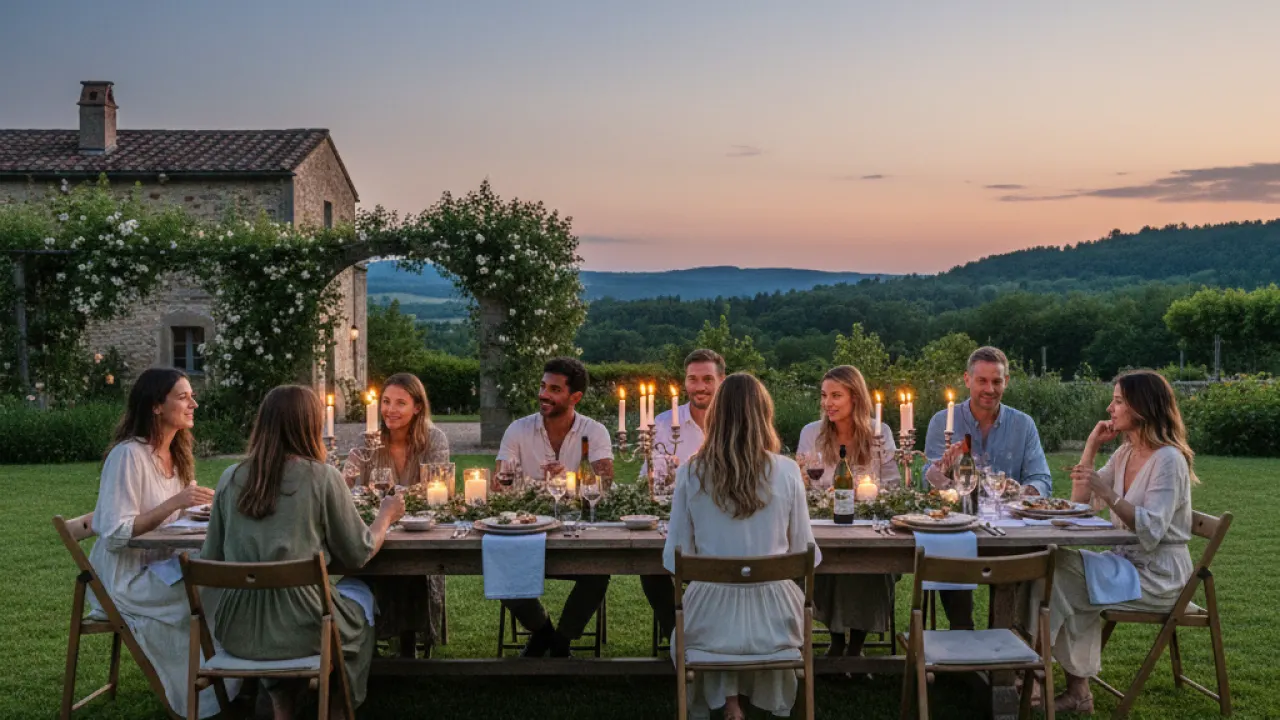
The Mediterranean dinner aesthetic – long tables outdoors, multiple courses, kids running around, the meal lasting from sunset to past midnight – has become aspirational for high earning urban professionals. The Italian model of life increasingly looks more attractive than the Silicon Valley model. Keep the slow living 2026 in mind as you read each section.
2. Phone free presence
Putting the phone in a drawer for an evening with friends, family, or solo time has become a power move. Not having to check anything is the modern version of demonstrating that nothing demands your urgent attention – and therefore you’ve reached some kind of arrival point. The slow living 2026 is the main focus of this guide.
The corollary. Always being on the phone now signals lower status. The chronic phone checker looks anxious, controlled by external forces, junior in some implicit hierarchy. The person who can be fully present looks like they’ve made it. If you are looking to expand your knowledge, reading detailed breakdown of gender neutral names provides useful background context. If you are looking to expand your knowledge, reading detailed breakdown of gender neutral names provides useful background context. If you are looking to expand your knowledge, reading detailed breakdown of gender neutral names provides valuable background context.
3. Mid week leisure
Going to the museum on a Wednesday afternoon. Long lunches on Thursdays. A coffee at 2 PM that lasts an hour. These rhythms used to belong to retirees or unemployed. In 2026 they signal flexible work arrangements, financial security, and command over one’s calendar.
The full schedule of office hours 9 to 5, 5 days a week, has become a marker of being mid career or starting out rather than peak. The people who’ve arrived increasingly work where and when they choose.
4. Real hobbies that have nothing to do with work
Gardening. Pottery. Restoring a vintage car. Learning to sail. Playing in an amateur orchestra. Hobbies that produce no monetary value and have no audience matter more than ever as status signals because they prove time abundance.
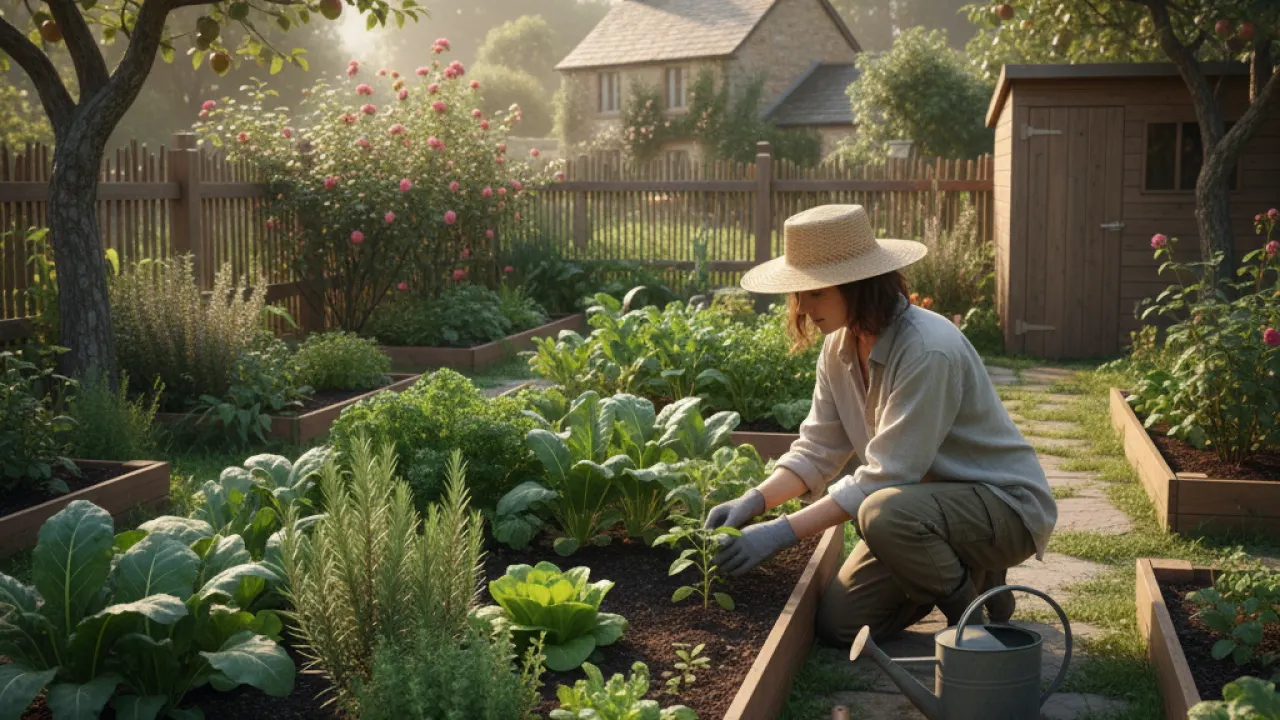
The aesthetic of the productive hobby is fading. The artisanal sourdough bread baking trend that started in 2020 was an early signal. Building something with your hands for no audience is signaling abundance of time and attention.
5. Slow communication
Handwritten letters. Long phone calls instead of text exchanges. Voice memos that go for 5 minutes. These slower formats have become high status because they require time the sender clearly has and is willing to spend.

The flip side. The hyper efficient short text response is starting to look slightly desperate. People with abundance of time take their time. People with scarcity of time fire off two word r
Three economic factors are pushing the slow living shift beyond aesthetic preference. This guide shows you how the slow living 2026 fits real life.
shing the slow living shift beyond aesthetic preference.Remote work normalised flexible schedules for white collar work. The 5 days a week, 9 to 5 in a specific building model gave way to hybrid or fully remote arrangements for many roles. Once you can work from anywhere at flexible times, slow living becomes accessible to ordinary professionals, not just trust funders.
Real estate became affordable in smaller cities and rural areas. The expensive urban centres lost some of their appeal once remote work freed people to live cheaper elsewhere. Smaller towns offer slower paces, more space, and lower costs – the exact ingredients slow living needs.
AI absorbed the routine work. Many cognitive tasks that used to fill the 9 to 5 – drafting, analysis, scheduling, basic research – now get handled by AI. The people whose jobs were primarily routine got displaced. The people whose jobs survived became use operators who could deliver in fewer hours.
The dark side of the trend
Three honest concerns about slow living as new status.
Class divide. Slow living is genuinely accessible to fewer people than the marketing suggests. The single parent working two jobs to make rent doesn’t have the option to take a phone free hour of porch reading. Romanticising slowness as superior to busyness can be tone deaf to people without choice.
Performance creep. Some slow living is real. Some is performance. The Instagram aesthetic of slow mornings with linen sheets, pottery mugs, and exposed beams can become its own kind of grind – the person performing slowness on social media is no more present than the hustler performing productivity. Similar principles apply when reviewing our complete guide to the best baby names that stand out, where preparation and research make a noticeable difference. Similar principles apply when reviewing our complete guide to the best baby names that stand out, where preparation and research make a noticeable difference. Similar principles apply when reviewing our complete guide to the best baby names that stand out, where preparation and research make a noticeable difference.
The opt out problem. If enough professionals genuinely opt out of urgent work, the work doesn’t disappear. It gets pushed onto fewer people, harder. The ER doctor, the corporate lawyer billing 70 hours, the working mother of three – someone is still on the u
Six honest principles for living slowly in 2026 without turning it into another status game. Start with the basics of the slow living 2026 and build from there.
thout performanceSix honest principles for living slowly in 2026 without turning it into another status game.
Cut one urgent thing a week. Pick something this week that feels urgent but actually isn’t, and intentionally don’t do it on its expected schedule. Notice that the world doesn’t collapse. Repeat.
Block 90 minutes a day for no productivity. Coffee in the morning. Walk in the afternoon. Reading in the evening. Time where the only objective is to be present. Most knowledge workers can find 90 minutes if they look.
Pick a phone free zone. The dinner table, the bedroom, the morning before 9 AM. One zone where the phone doesn’t enter is enough to start. Expand from there if the change sticks. The slow living 2026 removes common barriers that stop people from starting.
re>Pick a phone free zone. The dinner table, the bedroom, the morning before 9 AM. One zone where the phone doesn’t enter is enough to start. Expand from there if the change sticks.
Start one hobby that produces nothing. Pick something – sketching, gardening, learning a language for no career reason, woodworking, music – and protect 2 to 4 hours per week for it. The compounding effect on mental health is large.
Take real vacations. The one week vacation where you’re still checking email twice a day is half a vacation. The two week vacation where you’re genuinely unreachable for the second week is the real deal. Most professionals can do this once a year if they plan. For broader insights, exploring practical advice on how to be a better person will give you actionable takeaways you can apply right away. For broader insights, exploring practical advice on how to be a better person will give you actionable takeaways you can apply right away. For broader insights, exploring practical advice on how to be a better person will give you actionable takeaways you can apply right away.
Notice what you
Slow living isn’t just for the wealthy. Three realistic versions at different incomes. Follow the slow living 2026 for the full period to see real results.
t or a goal someone else’s script wrote into me? Slow living is partly about answering this question honestly.What slow living looks like across income levels
Slow living isn’t just for the wealthy. Three realistic versions at different incomes.
Working class slow living. Saturday mornings without a schedule. Sunday dinners as a family. One phone free hour per day. Reading the actual newspaper in the morning instead of scrolling. A weekly walk with a neighbour. None of this costs money.
Middle class slow living. The above plus one real vacation a year, longer than a long weekend. A garden or balcony hobby. Saying no to overtime when possible. Investing in fewer but higher quality possessions that don’t need replacing.
Upper middle and wealthy slow living. The above plus 4 to 8 weeks of vacation annually. Working a 4 day week, formally or informally. A second home in a quiet area. Children in unhurried schools rather than achievement focused ones.
The 10 year prediction
Three predictions for where slow living goes next.
The 4 day work week becomes the default in many knowledge work industries. Sweden, Iceland, and Belgium already piloted it nationally. The US tech industry started moving in this direction in 2024 and 2025. By 2032 the 4 day week will be majority in most knowledge work fields.
The flight from cities continues. Cities will still matter but the share of professionals living in expensive urban cores will keep declining. Smaller cities, towns, and rural areas with broadband will absorb much of the displacement.
The wellness industry tries to mo
The young workers entering the workforce in 2026 grew up watching their parents’ generation burn out on hustle culture. They’re starting careers with different defaults. The slow living 2026 scales as you get more experienced. Many readers who study this area also benefit from practical advice on how to read the news critically to ensure all key factors are covered. Many readers who study this area also benefit from practical advice on how to read the news critically to ensure all key factors are covered. Many readers who study this area also benefit from practical advice on how to read the news critically to ensure all key factors are covered.
ime, real relationships – is fundamentally free. The industry will sell the aesthetic, not the substance.What this means for younger generations
The young workers entering the workforce in 2026 grew up watching their parents’ generation burn out on hustle culture. They’re starting careers with different defaults.
They negotiate for time off as aggressively as for salary. They reject jobs that demand 60 hour weeks regardless of pay. They’re more willing to live with less stuff to have more time. They’re sceptical of work as identity.
This is the under appreciated shift. Slow living isn’t just a fad among 40 year olds reacting to burnout. It’s becoming the default expectation of the next generation entering the workforce. Companies that don’t adapt will struggle to recruit.
When was the last time you spent a Saturday without looking at the clock once. If it’s been over 6 months, you’re not living slowly. Stick Can you sit through 30 minutes of doing nothing without anxiety. If you reach for the phone within 5 minutes, you’re still operating on hustle culture muscle memory. The s Do you have at least one friend you call instead of text. If every relationship runs through Slack and messaging apps, the depth of connection is probably shallower than it feels.
Use t Have you eaten a meal in the last week that lasted over 90 minutes. The slow meal is one of the simplest tests of whether the schedule has any actual margin. Many Do you have a hobby that doesn’t show up on social media. If everything you do gets posted, the activity is partly performance. Real hobbies don’t need to be photographed. Results from the slow living 2026 come from repetition, not perfection.
f doing nothing without anxiety. If you reach for the phone within 5 minutes, you’re still operating on hustle culture muscle memory.Do you have at least one friend you call instead of text. If every relationship runs through Slack and messaging apps, the depth of connection is probably shallower than it feels.
Have you eaten a meal in the last week that lasted over 90 minutes. The slow meal is one of the simplest tests of whether the schedule has any actual margin.
Do you have a hobby that doesn’t show up on social media. If everything you do gets posted, the activity is partly performance. Real hobbies don’t need to be photographed.
Final thoughts and your turn
Why slow living is becoming the new status symbol in 2026 isn’t really about luxury or aesthetic. It’s about the recognition, hard won across a generation, that time is the only resource that doesn’t compound, can’t be earned back, and shouldn’t be spent at the level of intensity hustle culture demanded. The shift is real, the markers are visible, and the people leaning into it tend to be the ones others quietly envy.
Which of the 5 markers of slow living do you already have, and which would you most like to add? Drop a comment with your honest assessment. Share the post with someone in your circle who keeps complaining about how busy they are.
For related guidance, see our guides on start an online business, best businesses to start, how to be a better person, best places in the US.
Frequently Asked Questions
What is the most important thing to understand about slow living 2026?
The fundamentals matter most. Before diving into advanced strategies or techniques, making sure you have a solid grasp of the core principles saves time and prevents common mistakes. Starting with quality sources of information, whether from books, courses, or established experts, gives you the knowledge foundation needed to make good decisions and avoid pitfalls that most beginners encounter.
How long does it take to get good at slow living 2026?
Progress depends on your starting point, how much time and focus you commit, and the complexity of what you are trying to achieve. Most people see meaningful progress within 3 to 6 months of consistent, focused effort. Reaching an expert level typically takes several years of dedicated practice and ongoing learning. The key is consistent application over time rather than intensive bursts followed by long breaks.
What resources are most helpful for learning about slow living 2026?
The best resources vary by topic, but a combination of well-reviewed books, reputable online courses, expert communities, and practical hands-on experience typically produces the best results. Look for resources from authors and instructors with verifiable track records. Communities of practice where you can ask questions and get feedback from experienced practitioners are particularly useful.
What are the most common mistakes people make with slow living 2026?
The most universal mistakes include trying to learn everything at once rather than mastering basics first, giving up before seeing meaningful results, not tracking progress to stay motivated, failing to learn from mistakes and adjust approaches, and not seeking help from those who have already succeeded. Patience and persistence combined with smart, focused effort typically outperform raw talent without discipline.
What are your thoughts on why slow living is becoming the new status symbol in? Have you tried any of these steps, or do you have tips of your own to share? Leave a comment below and share this guide with friends or colleagues who might find it helpful.