

July is one of the most productive months in the garden. Main crops are in full swing, harvests are coming in fast, and there’s still time to plant crops that will take you through to autumn. For more background, see Wikipedia reference.
Here’s exactly what to plant, what to harvest, and what to do in your garden this month.
What’s Happening in the Garden in July
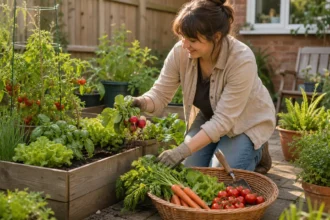
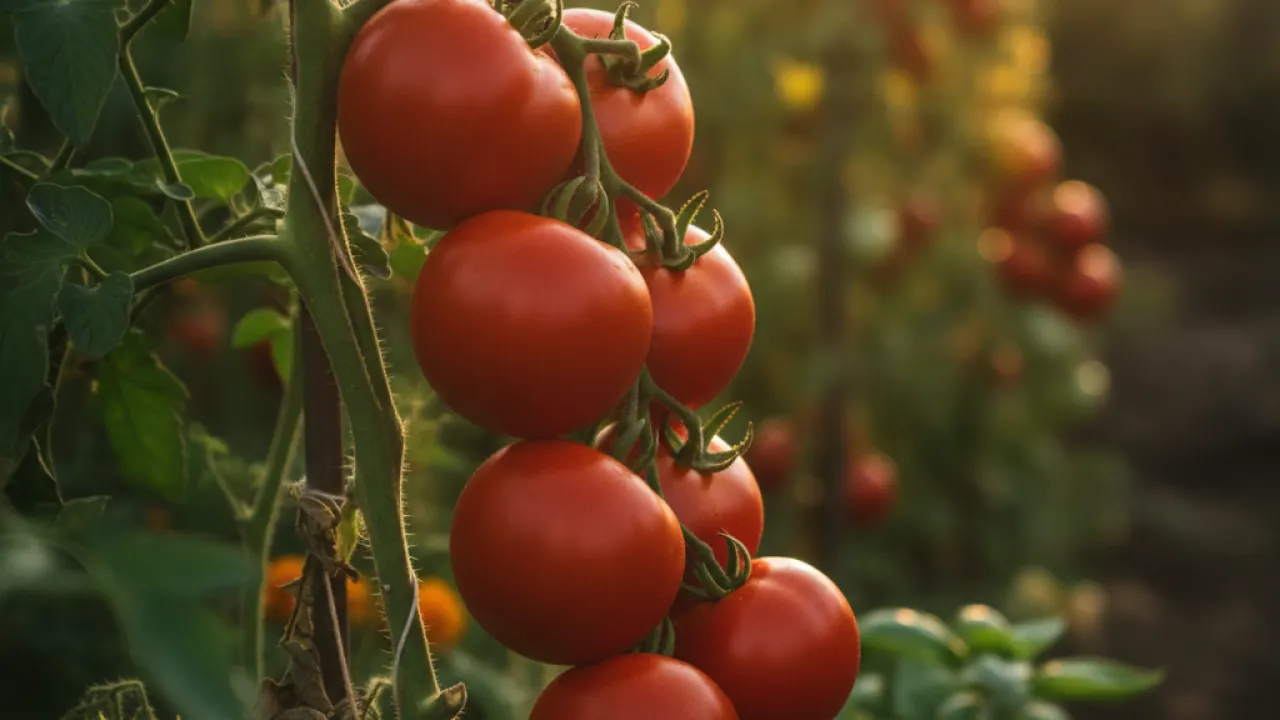
If you’ve been growing since spring, July is the month when the effort pays off. Tomatoes are ripening. Courgettes need checking every day or two. French beans are producing pods faster than you might expect. Salad leaves and herbs are growing quickly in the summer warmth.
But July isn’t just about harvesting. It’s also one of the last chances to plant crops that will mature before autumn, and the beginning of planning for the colder months ahead.
The main jobs in July are:
- Harvesting regularly to keep productive crops producing
- Watering daily or every other day in dry weather
- Feeding fruiting crops weekly with tomato fertiliser
- Planting autumn crops that need to go in now to mature before cold weather arrives
- Keeping on top of weeds which grow fast in warm summer conditions
- Watching for pests which are at their peak in summer
What to Plant in July
Don’t assume it’s too late to plant. July gives you a good growing window before autumn arrives. These crops can all go in the ground now.
Vegetables to Plant in July
You can still plant or sow these in July:
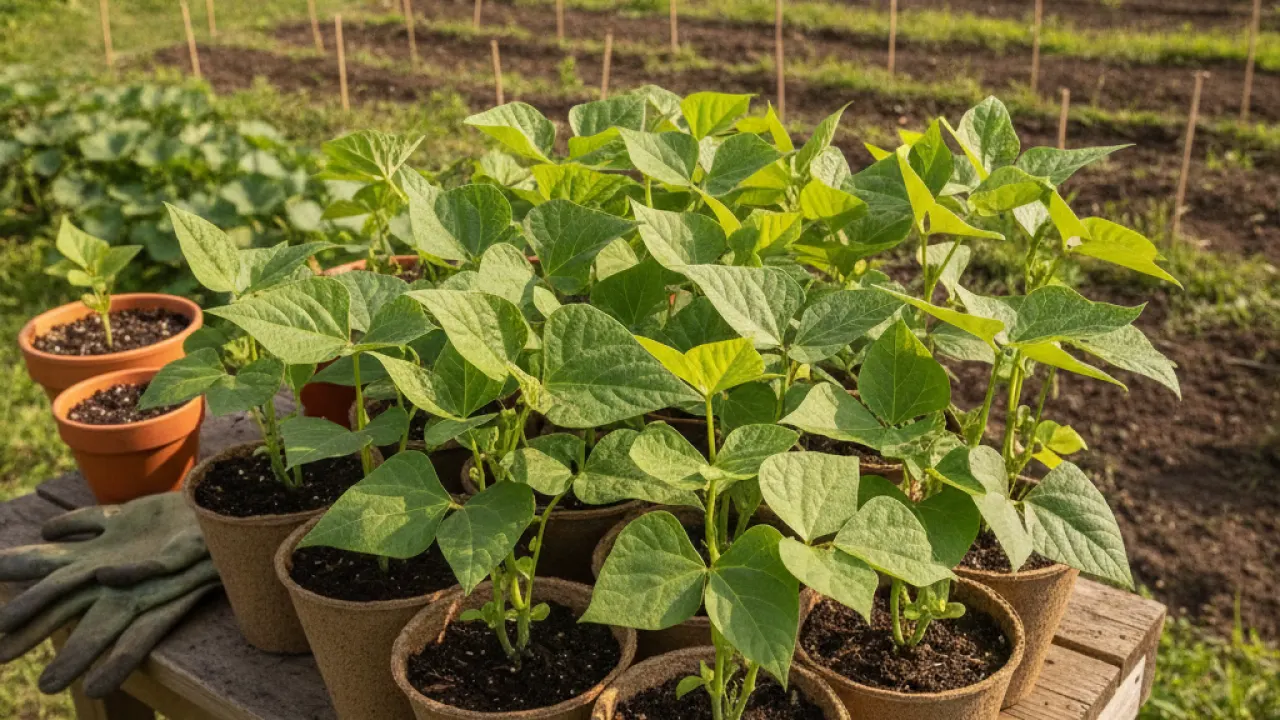
- French beans sown now will produce from September. Dwarf varieties are quickest.
- Runner beans sown in early July will still produce a late crop before the first frost.
- Beetroot sown in July will be ready in September and October. Sow directly in rows 30cm apart.
- Lettuce and salad leaves can be sown throughout July. They prefer cooler conditions, so July sowings often establish better in late summer than in the heat of June.
- Radishes are always ready to sow. A row sown now will be ready in 3 to 4 weeks.
- Spring onions sown in July will be ready from September.
- Spinach does well when sown in July and August for autumn harvests.
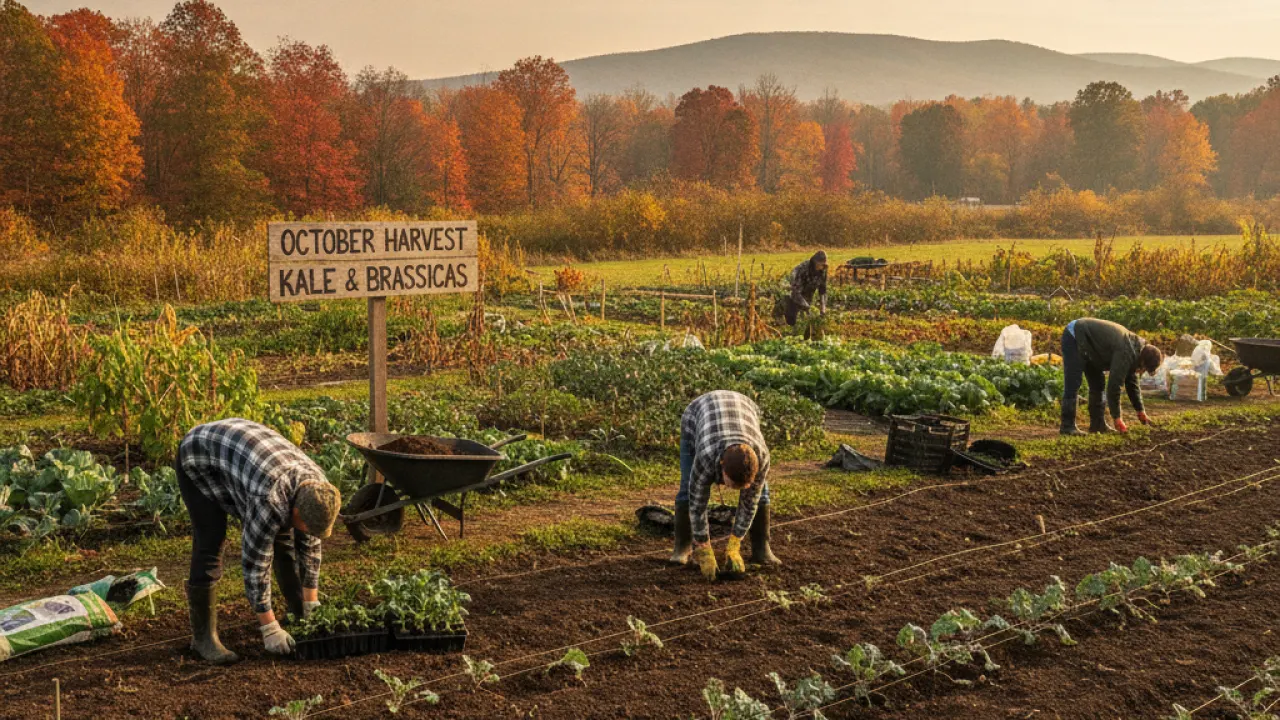
- Kale sown in July and planted out in August will provide harvests from October through winter.
- Purple sprouting broccoli sown now as seedlings will overwinter and crop next February and March.
- Winter cabbage can be sown in July for planting out in August.
Herbs to Plant in July
Several herbs can still be started in July:
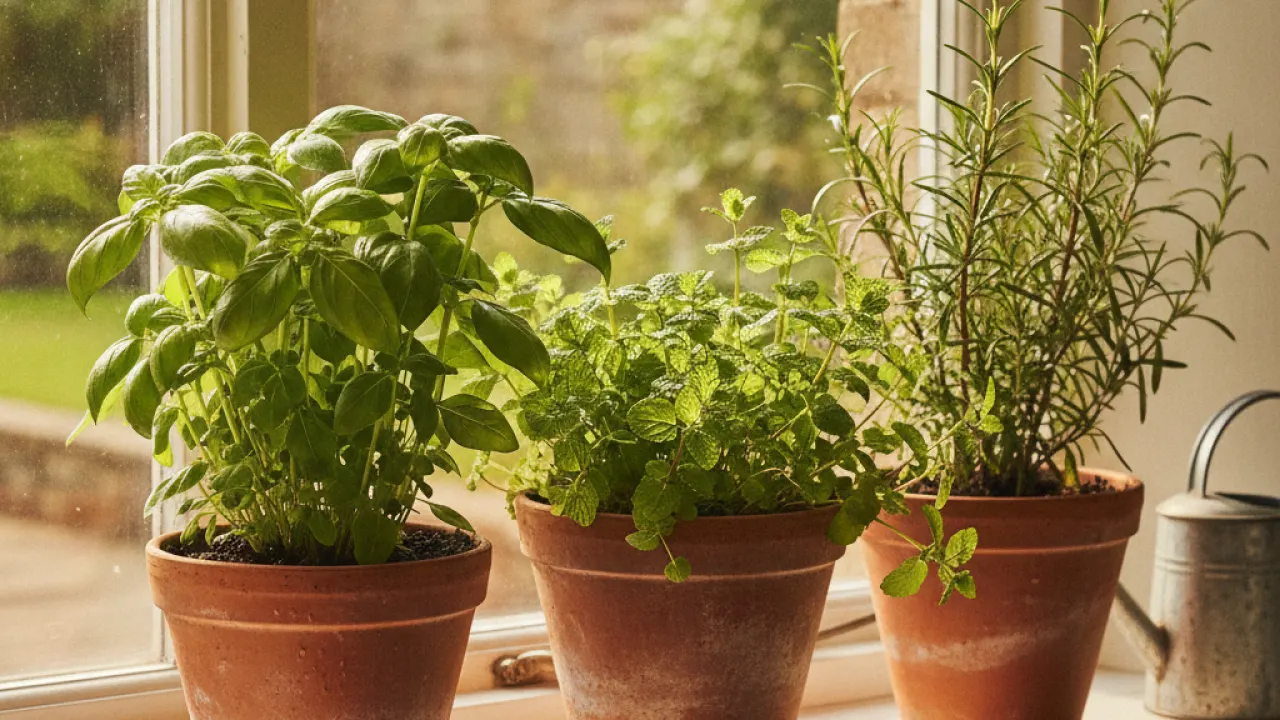
- Basil loves summer warmth. Sow directly in pots or beds in a sunny spot.
- Coriander bolts quickly in heat, but July sowings often do better than June ones as temperatures start to ease later in the month.
- Parsley is slow to germinate but can be sown now for harvests through autumn.
- Dill grows fast in summer and does well from a July sowing.
What’s Too Late to Plant in July
Some crops won’t have enough time to mature before autumn frosts arrive if planted in July:
- Courgettes planted from seed in July won’t have time to produce well before the frosts
- Tomatoes from seed are too late. Buy established plants if you want late additions.
- Sweetcorn needs a long season and is too late to plant from July
- Pumpkins need planting by early June to mature before autumn frosts
What to Harvest in July
July is harvest season. Here’s what to look for in your garden this month.
Vegetables Ready in July
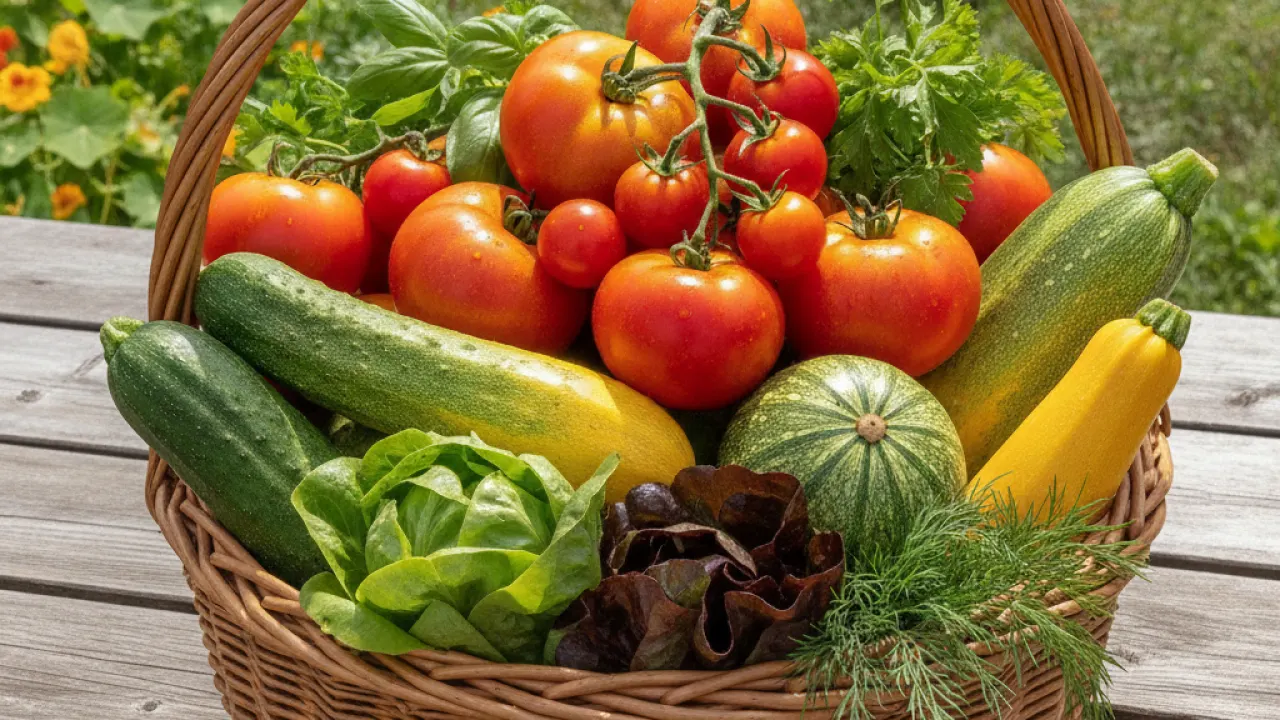
- Tomatoes: Early varieties and cherry tomatoes start ripening in July. Pick as soon as they’re fully coloured. They’ll ripen on a windowsill if picked early.
- Courgettes: Check every 2 to 3 days. Pick at 10 to 15cm. Left to grow, they become marrows within a week.
- French beans: Pick when pods snap cleanly. Don’t let them get fat or the plant slows down.
- Runner beans: Pick when about 15 to 20cm long before they get stringy.
- Peas: Later sowings will be producing in July. Pick when pods are well-filled and plump.
- Beetroot: Spring-sown beetroot is ready now. Harvest when golf-ball to tennis-ball size.
- Salad leaves: Keep picking outer leaves to extend the harvest period.
- Spring onions: Pull when they reach pencil thickness.
- Radishes: Check daily. They go woody if left too long.
- Garlic: Bulbs planted last autumn are ready when the lower leaves turn yellow. Lift carefully with a fork.
- Onions: Ready when tops fall over naturally. Leave them to dry on the surface before storing.
- New potatoes: Harvest from when plants flower. Dig carefully with a fork.
- Cucumbers: Pick when about 15 to 20cm long. Regular picking encourages more.
- Broad beans: Late sowings still producing. Pods should feel full when squeezed.
How to Keep Plants Producing
The key to keeping July crops productive is regular picking. This is especially true for courgettes, French beans, runner beans, cucumbers, and peas.
When pods or fruits are left to mature fully on the plant, the plant’s energy goes into ripening seeds rather than producing more fruit. Regular picking keeps the plant in production mode. Miss a few days and courgettes become marrows, beans become tough and seedy, and cucumbers turn yellow.
See also: how to start a vegetable garden and easy vegetables to grow.
Watering in July
July is often the driest month of the year in the UK. Watering is your most important job.
How Much to Water
Containers need watering every day in hot weather, sometimes twice a day if it’s very hot and the container is small. Raised beds need watering every 1 to 2 days. Ground beds every 2 to 3 days, though you should always check soil moisture before watering.
Push your finger into the soil to about 2cm depth. If it feels dry at that point, water. If it’s still moist, leave it another day.
How to Water Efficiently
Water at the base of plants, not over the leaves. Use a rose on your watering can or a gentle spray on your hose to avoid washing soil away from roots. Water slowly and deeply so moisture reaches roots rather than just wetting the surface.
Early morning is the best time. Water evaporates less in the morning than in the heat of the day. Leaves also dry before evening, reducing disease risk.
If you’re going on holiday, ask someone to water for you. Two or three weeks without water in July will kill most vegetable crops completely.
Mulching to Reduce Watering
A 5cm layer of mulch on the soil surface between plants slows moisture loss significantly. Straw, bark chips, and compost all work well. Apply after watering while soil is still moist. This can reduce your watering frequency noticeably, especially in raised beds and containers.
Feeding in July
By July, plants in containers have used most of the nutrients in their compost. And all fruiting crops are working hard to produce. Regular feeding makes a real difference to yield.
Tomatoes
Feed tomatoes with a high-potassium liquid feed every week from the moment you see the first fruits setting. Tomato fertiliser (high in potassium, also called potash) is what you want. Low potassium means poor fruit set, small fruits, and reduced flavour.
Apply as a diluted liquid watered into the base of the plant. Follow the dosage instructions on the bottle. More is not better. Too much fertiliser can cause as many problems as too little.
Courgettes and Cucumbers
Feed every 2 weeks with tomato fertiliser. These are heavy feeders once they start fruiting and benefit from regular potassium supplementation.
Leafy Crops
Lettuce, spinach, and kale growing in containers benefit from a balanced liquid fertiliser every 2 weeks. In good compost-rich ground beds, they usually don’t need feeding.
Pest and Disease Watch in July
Summer warmth brings pest populations to their peak. Check plants every few days and deal with problems early.
Blight on Tomatoes and Potatoes
Blight is a fungal disease that spreads rapidly in warm, humid conditions. It first appears as brown patches on leaves that spread quickly. On tomatoes, fruits turn brown and rot. Once blight takes hold, it’s difficult to stop.
Prevention is better than cure. Avoid watering over leaves. Don’t leave foliage wet overnight. Remove any yellowing or brown leaves promptly. In high-risk areas, use a copper-based preventive spray from July onward.
If blight appears, remove all affected leaves and stems immediately. If the plant is severely affected, remove it completely to stop it spreading to neighbours.
Aphids
Aphid populations peak in summer. They cluster on soft growing tips and undersides of leaves. A strong jet of water knocks most of them off. Ladybirds eat huge numbers. Resist spraying unless the infestation is out of control.
Whitefly
Whitefly can be a problem on tomatoes, courgettes, and brassicas. Yellow sticky traps in the greenhouse or polytunnel help. Outdoors, encourage natural predators. Serious infestations can be treated with an insecticidal soap spray.
Cabbage White Caterpillars
Check brassicas including kale, cabbage, and broccoli regularly for eggs and caterpillars. The cabbage white butterfly lays clusters of small yellow eggs on undersides of leaves. Remove by hand when found. Install fine mesh over plants to stop butterflies landing.
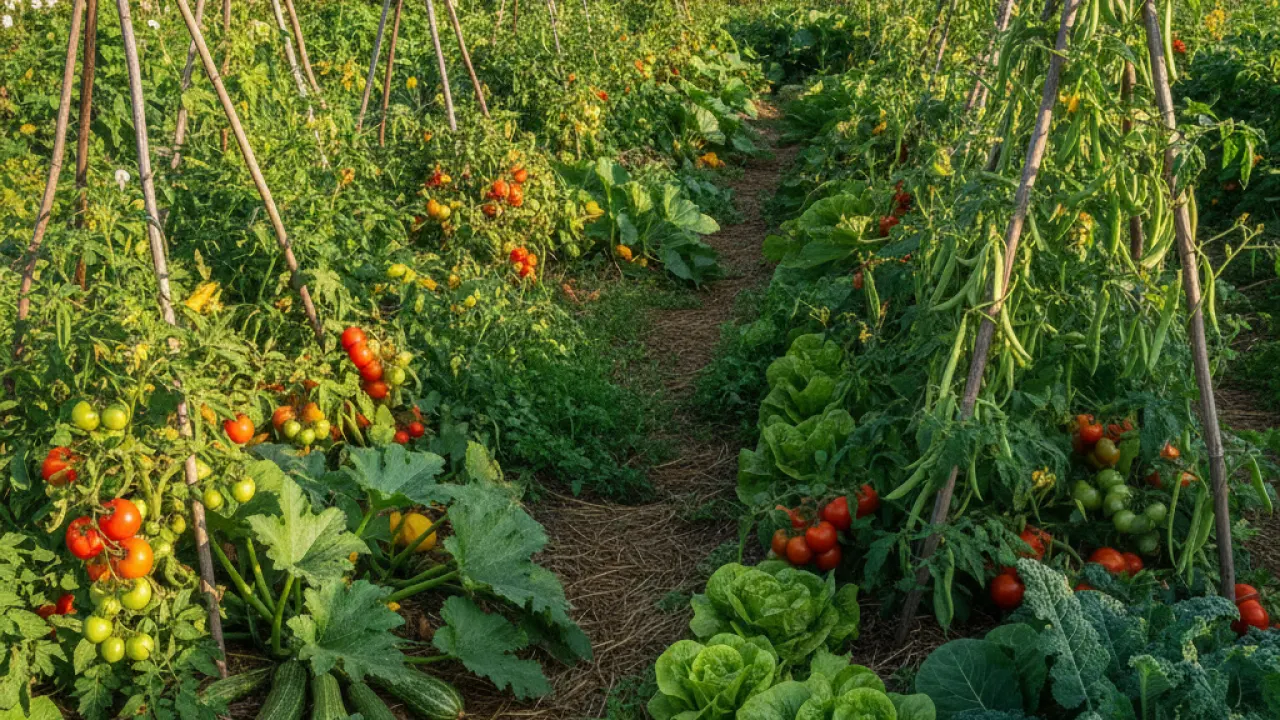
Tomato Care in July
Tomatoes need more attention in July than almost any other crop. Get these things right and you’ll have a great harvest through August and September.
Pinching Out Sideshoots
For cordon (single-stem) tomato varieties, remove sideshoots that grow in the angle between the main stem and a leaf. These are called sideshoots or axillary shoots. If left, they grow into full stems, the plant becomes unmanageable, and energy is diverted from fruit production.
Bush varieties don’t need this. Check the label if you’re not sure which type you have.
Stopping
In late July or early August, pinch out the growing tip of cordon tomatoes once they reach the top of their support or have 4 to 5 trusses of fruit. This stops the plant putting energy into more leafy growth and directs it into ripening the existing fruits before autumn frosts arrive.
Supporting
Tomato plants get heavy as fruits develop. Check ties and canes regularly and add support where needed. A heavily laden truss can pull away from the main stem or snap a cane if not supported.
Preparing for Autumn in July
July is when you start thinking about autumn. The growing season doesn’t end in September. With some planning, you can have fresh vegetables right through to November and beyond.
Sowings to Make Now for Autumn
- Kale sown now can be planted out in August and will produce from October through to spring
- Winter salad leaves including mizuna, rocket, and lamb’s lettuce can be sown in late July for autumn and winter harvests
- Spinach sown now will be ready from September and keeps going through mild winters
- Spring cabbage sown now and planted out in September will overwinter and heart up the following spring
- Japanese overwintering onion sets can be planted in late July or August for spring harvests
- Choi sum and pak choi prefer cooler conditions and do well sown in July for autumn harvests
What to Do With Empty Beds
When a crop finishes, don’t leave the bed empty. Either sow a follow-on crop immediately or cover the soil with a mulch of compost to suppress weeds and preserve nutrients.
Empty beds grow weeds fast in summer heat. A few days of neglect can result in a bed that needs important work to clear.
July Garden Maintenance Jobs
Beyond planting and harvesting, July has a few other important jobs:
- Weed regularly. Summer warmth makes weeds grow as fast as your vegetables. Ten minutes every few days is much easier than an hour once a month.
- Earth up potatoes. If you’re growing maincrop potatoes, mound soil up around the stems to stop tubers turning green in the light.
- Net brassicas. If you haven’t already, cover kale, cabbage, and broccoli with fine mesh to protect from cabbage white butterflies.
- Tie in climbing plants. Tomatoes, beans, and cucumbers grow fast in July and need tying in regularly as they grow.
- Remove yellowing leaves. On tomatoes particularly, remove any leaves that are yellowing or showing disease to improve air circulation and reduce spread.
- Check for water stress. Wilting leaves in the morning, before the sun gets hot, are a sign of serious water stress. Water immediately.
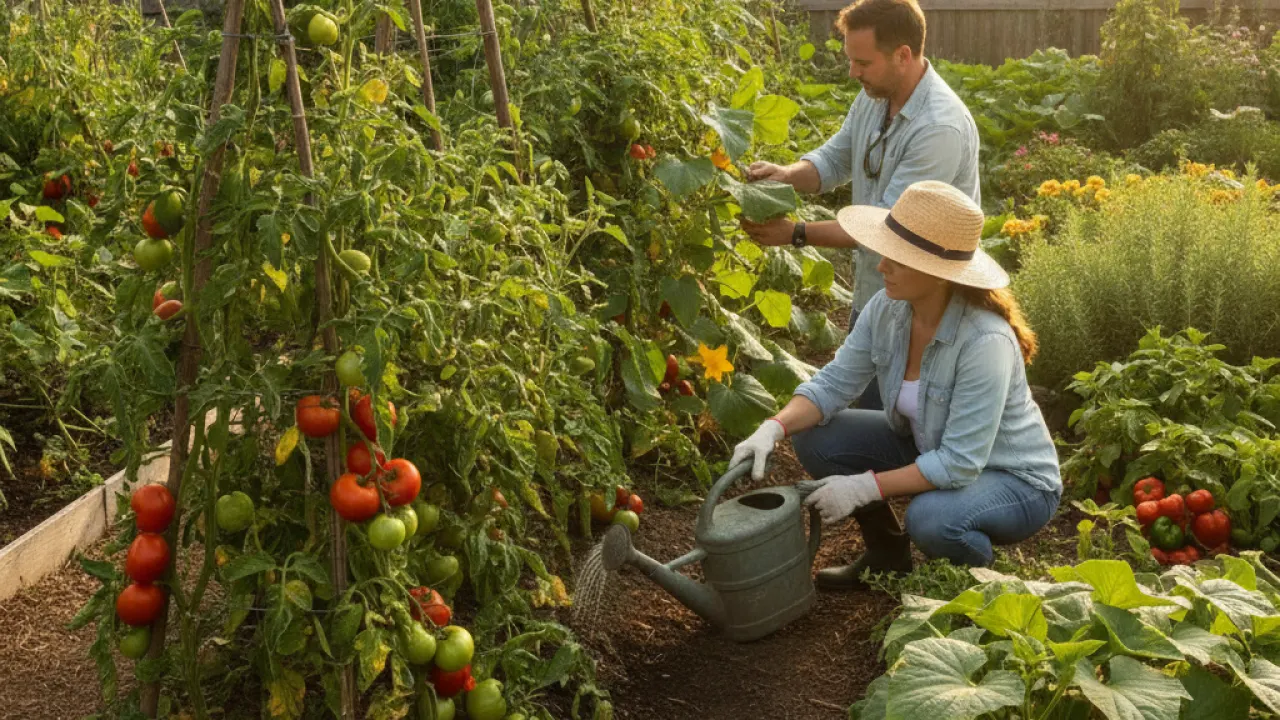
July Garden Calendar: Week by Week
Week 1 of July
- Sow French beans for a September harvest
- Sow beetroot directly for autumn harvests
- Continue harvesting courgettes, peas, and early beans
- Feed tomatoes with weekly high-potassium liquid feed
- Check tomatoes for sideshoots and remove them
Week 2 of July
- Sow kale for winter harvests
- Sow autumn salad leaves including rocket and spinach
- Harvest garlic once lower leaves have yellowed
- Plant out any brassica seedlings started in June, with mesh cover
- Check all crops for pests especially aphids and caterpillars
Week 3 of July
- Sow more lettuce and radishes for late August harvest
- Stop (pinch out growing tip) cordon tomatoes if they’ve reached the top of their support
- Harvest onions as tops fall over naturally
- Check courgettes daily and harvest before they become marrows
- Succession sow spring onions for September harvest
Week 4 of July
- Plan for gaps: look at which beds will be empty by September and decide what to plant next
- Order seeds for any autumn and winter crops not yet sown
- Check stakes and supports on all tall crops. Summer storms can topple plants.
- Continue harvesting everything at peak ripeness for best flavour
Frequently Asked Questions
Is it too late to start a vegetable garden in July?
Not at all. You can still grow a good range of fast-maturing vegetables in July. Radishes, lettuce, spinach, French beans, spring onions, and beetroot all have enough time to produce before autumn. If you’ve never gardened before, starting in July is a great way to learn the basics before the main spring season next year.
What should I do if my tomatoes aren’t ripening?
Make sure you’re feeding with a high-potassium tomato fertiliser every week. Remove excess foliage to let sun reach the fruits. If weather is cool, bringing container-grown plants inside on cold nights can help. Remove the top of cordon plants to stop energy going into new growth.
My courgette flowers are falling off without setting fruit. What’s wrong?
Courgettes produce separate male and female flowers. The first flowers to appear are usually male. Female flowers have a tiny courgette visible behind the petals. If male and female flowers aren’t both open at the same time, pollination doesn’t happen. Be patient. Once both types are flowering together, fruit will set. You can also hand-pollinate by dabbing the inside of a male flower on the centre of a female flower with a small brush.
Can I still plant tomatoes in July?
Yes, but buy established plants rather than trying to grow from seed. A young tomato plant in July, planted in a warm, sunny spot and fed weekly, can still produce a good harvest before the first frosts. Choose fast-maturing cherry varieties for the best results.
How do I stop my lettuce from bolting in July?
Lettuce bolts (runs to seed) in heat and long days. Choose bolt-resistant varieties for summer sowings. Water consistently. Provide some shade during the hottest part of the day. Sow lettuce in late July for better results in August and September when conditions are cooler.
For more help getting started, you might find these useful: how to start a vegetable garden, easy vegetables to grow, beginner gardening tips, how to grow a vegetable garden, garden layout for small spaces.
Frequently Asked Questions
Is it too late to start a vegetable garden in July?
Not at all. You can still grow a good range of fast-maturing vegetables in July. Radishes, lettuce, spinach, French beans, spring onions, and beetroot all have enough time to produce before autumn. If you’ve never gardened before, starting in July is a great way to learn the basics before the main spring season next year.
What should I do if my tomatoes aren’t ripening?
Make sure you’re feeding with a high-potassium tomato fertiliser every week. Remove excess foliage to let sun reach the fruits. If weather is cool, bringing container-grown plants inside on cold nights can help. Remove the top of cordon plants to stop energy going into new growth.
My courgette flowers are falling off without setting fruit. What’s wrong?
Courgettes produce separate male and female flowers. The first flowers to appear are usually male. Female flowers have a tiny courgette visible behind the petals. If male and female flowers aren’t both open at the same time, pollination doesn’t happen. Be patient. Once both types are flowering together, fruit will set. You can also hand-pollinate by dabbing the inside of a male flower on the centre of a female flower with a small brush.
Can I still plant tomatoes in July?
Yes, but buy established plants rather than trying to grow from seed. A young tomato plant in July, planted in a warm, sunny spot and fed weekly, can still produce a good harvest before the first frosts. Choose fast-maturing cherry varieties for the best results.
How do I stop my lettuce from bolting in July?
Lettuce bolts (runs to seed) in heat and long days. Choose bolt-resistant varieties for summer sowings. Water consistently. Provide some shade during the hottest part of the day. Sow lettuce in late July for better results in August and September when conditions are cooler.
Make the Most of July
July is one of the most satisfying months in the vegetable garden. The work you put in during spring is paying off. Harvests are coming in. And there’s still enough season ahead to plant crops that will take you through to autumn.
Show up in the garden every day or two. Pick what’s ready. Water what needs it. Check for problems. Plant a new row of something fast-maturing when space opens up. The what to plant in garden July works when you follow it consistently.
The gardeners who get the most from July are the ones who keep moving through it rather than sitting back and watching. Regul
What’s ripening in your garden right now, and what are you most looking forward to harvesting this month? This guide shows you how the what to plant in garden July fits real life.
now, and what are you most looking forward to harvesting this month?Start with the basics of the what to plant in garden July and build from there.
The what to plant in garden July removes common barriers that stop people from starting.
Follow the what to plant in garden July for the full period to see real results.
The what to plant in garden July scales as you get more experienced.
Sticking to the what to plant in garden July matters more than any single step.
The what to plant in garden July gives you a clear structure every week.
Use the what to plant in garden July as your base and adjust it to your level.
Many people find the what to plant in garden July easier to follow than complex alternatives.
Results from the what to plant in garden July come from repetition, not perfection.
Keep the what to plant in garden July simple and focus on showing up consistently.
The what to plant in garden July works when you follow it consistently.
This guide shows you how the what to plant in garden July fits real life.
Start with the basics of the what to plant in garden July and build from there.
The what to plant in garden July removes common barriers that stop people from starting.
Follow the what to plant in garden July for the full period to see real results.
The what to plant in garden July scales as you get more experienced.
Sticking to the what to plant in garden July matters more than any single step.
The what to plant in garden July gives you a clear structure every week.
Use the what to plant in garden July as your base and adjust it to your level.
Many people find the what to plant in garden July easier to follow than complex alternatives.
Results from the what to plant in garden July come from repetition, not perfection.
Keep the what to plant in garden July simple and focus on showing up consistently.
The what to plant in garden July works when you follow it consistently.
This guide shows you how the what to plant in garden July fits real life.
Start with the basics of the what to plant in garden July and build from there.
The what to plant in garden July removes common barriers that stop people from starting.
Follow the what to plant in garden July for the full period to see real results.
The what to plant in garden July scales as you get more experienced.
Sticking to the what to plant in garden July matters more than any single step.
The what to plant in garden July gives you a clear structure every week.
Use the what to plant in garden July as your base and adjust it to your level.
Many people find the what to plant in garden July easier to follow than complex alternatives.
Results from the what to plant in garden July come from repetition, not perfection.
Keep the what to plant in garden July simple and focus on showing up consistently.
The what to plant in garden July works when you follow it consistently.
This guide shows you how the what to plant in garden July fits real life.
Start with the basics of the what to plant in garden July and build from there.
The what to plant in garden July removes common barriers that stop people from starting.
Follow the what to plant in garden July for the full period to see real results.
The what to plant in garden July scales as you get more experienced.
Sticking to the what to plant in garden July matters more than any single step.
The what to plant in garden July gives you a clear structure every week.
Use the what to plant in garden July as your base and adjust it to your level.
Many people find the what to plant in garden July easier to follow than complex alternatives.
Results from the what to plant in garden July come from repetition, not perfection.
Keep the what to plant in garden July simple and focus on showing up consistently.